Business
Inflation cools in June, but tariffs and war keep pressure on prices
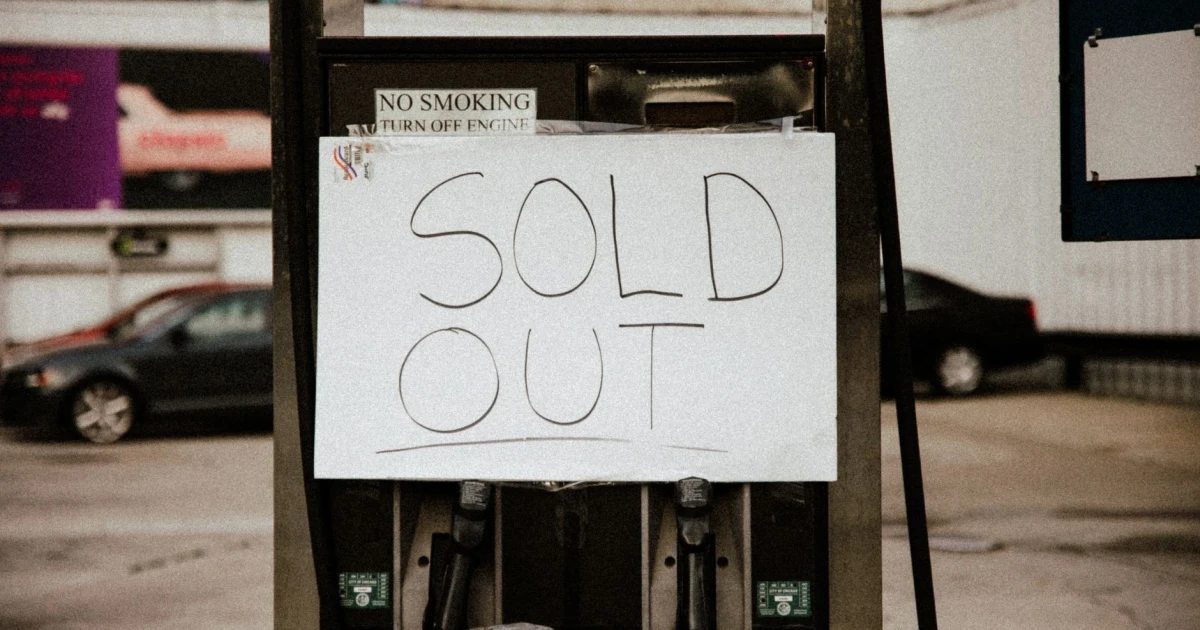
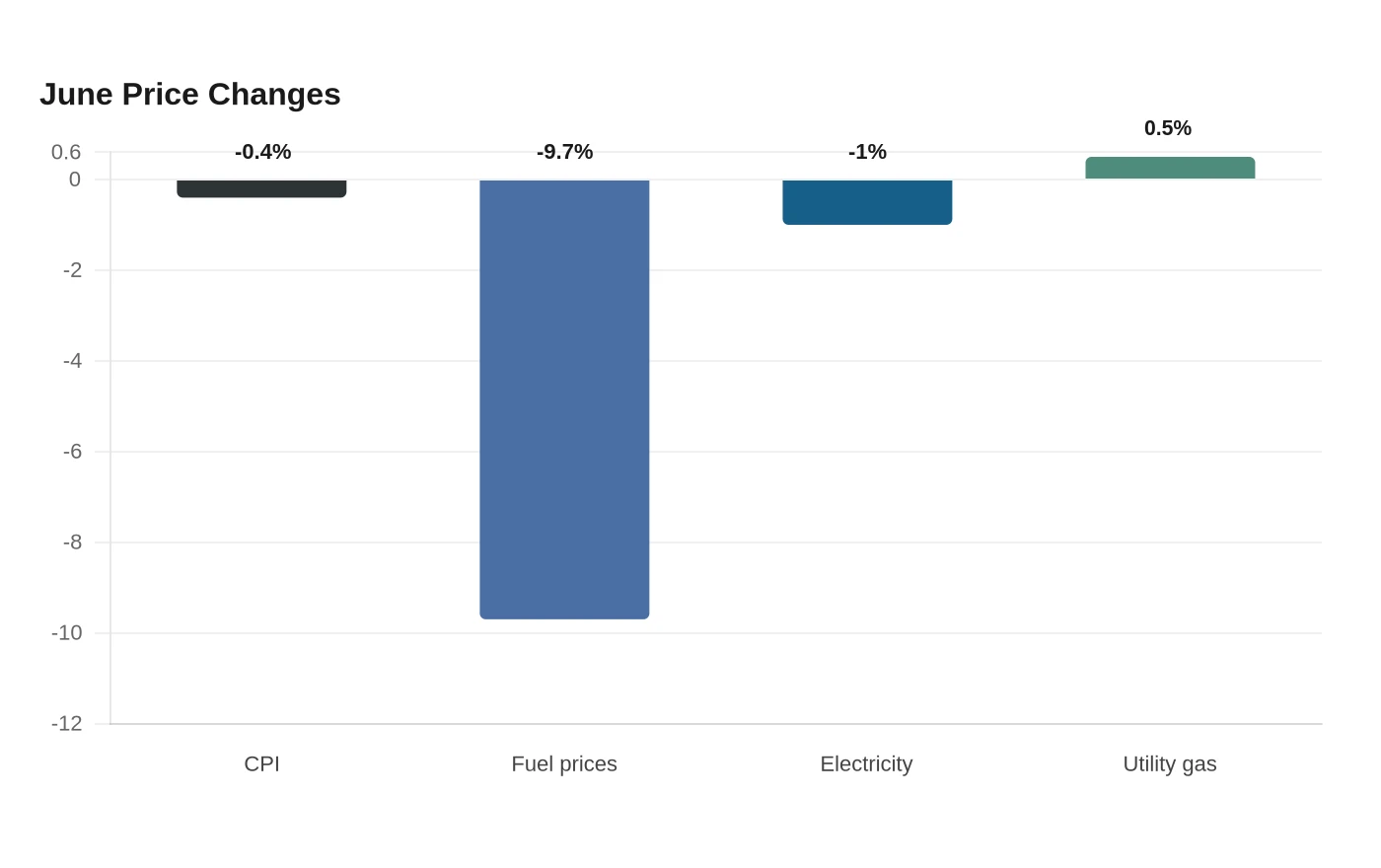
Cheaper gasoline helped pull U.S. inflation down in June, with the Consumer Price Index rising 3.5% from a year earlier and falling 0.4% from May, the sharpest monthly decline since April 2020. The Bureau of Labor Statistics released the report Tuesday, giving households a rare break after price growth had accelerated in the spring.
Gasoline did most of the work. Fuel prices fell 9.7% in June from May, although they were still 26.7% higher than a year earlier. Electricity prices also eased, slipping 1% on the month, while utility gas service prices rose 0.5%. That mix left consumers with some relief at the pump and a smaller monthly increase in their overall cost of living, even as the annual pace of inflation remained well above the Federal Reserve’s 2% goal.
The Fed had already warned that the spring rebound was not a one-off. In its July 10 monetary policy report to Congress, the central bank said inflation had “stepped up further this spring” because of tariffs, war-related energy costs and a booming artificial intelligence buildout. Those forces still matter because they can push costs through supply chains, lift power demand and keep energy markets volatile even after one soft CPI reading.

Households have not stopped bracing for higher prices. The University of Michigan said the cost of living stayed at the forefront of consumers’ minds for a third straight month. Its year-ahead inflation expectations edged down to 4.6% in June from 4.8% in May, but that is still far above the Fed’s target. Long-run expectations came in at 3.3% in June, suggesting Americans still see inflation settling above the central bank’s comfort zone.
The Federal Reserve Bank of New York found a similar split in June. Short- and medium-term inflation expectations rose, even as expectations for gas-price growth fell to the lowest level since August 2022. That suggests consumers may be optimistic about fuel costs in the near term while remaining uneasy about the broader price backdrop.
For markets, the risk is that June’s improvement proves temporary. A renewed jump in oil prices tied to fighting between the United States and Iran could quickly feed into gasoline and transportation costs. Tariffs can work their way through import prices and store shelves with a lag. And if the AI buildout keeps driving electricity demand and infrastructure spending, the latest relief in the CPI could fade before consumers feel much of it.