Business
Inflation jumps to three-year high, keeping mortgage rates elevated

Higher inflation is likely to keep a lid on relief for would-be homebuyers, even if the Federal Reserve holds rates steady later this month. A hotter-than-expected consumer price report pushed annual inflation to 4.2% in May, and mortgage costs were already sitting in the mid-6% range, leaving buyers with little near-term breathing room.
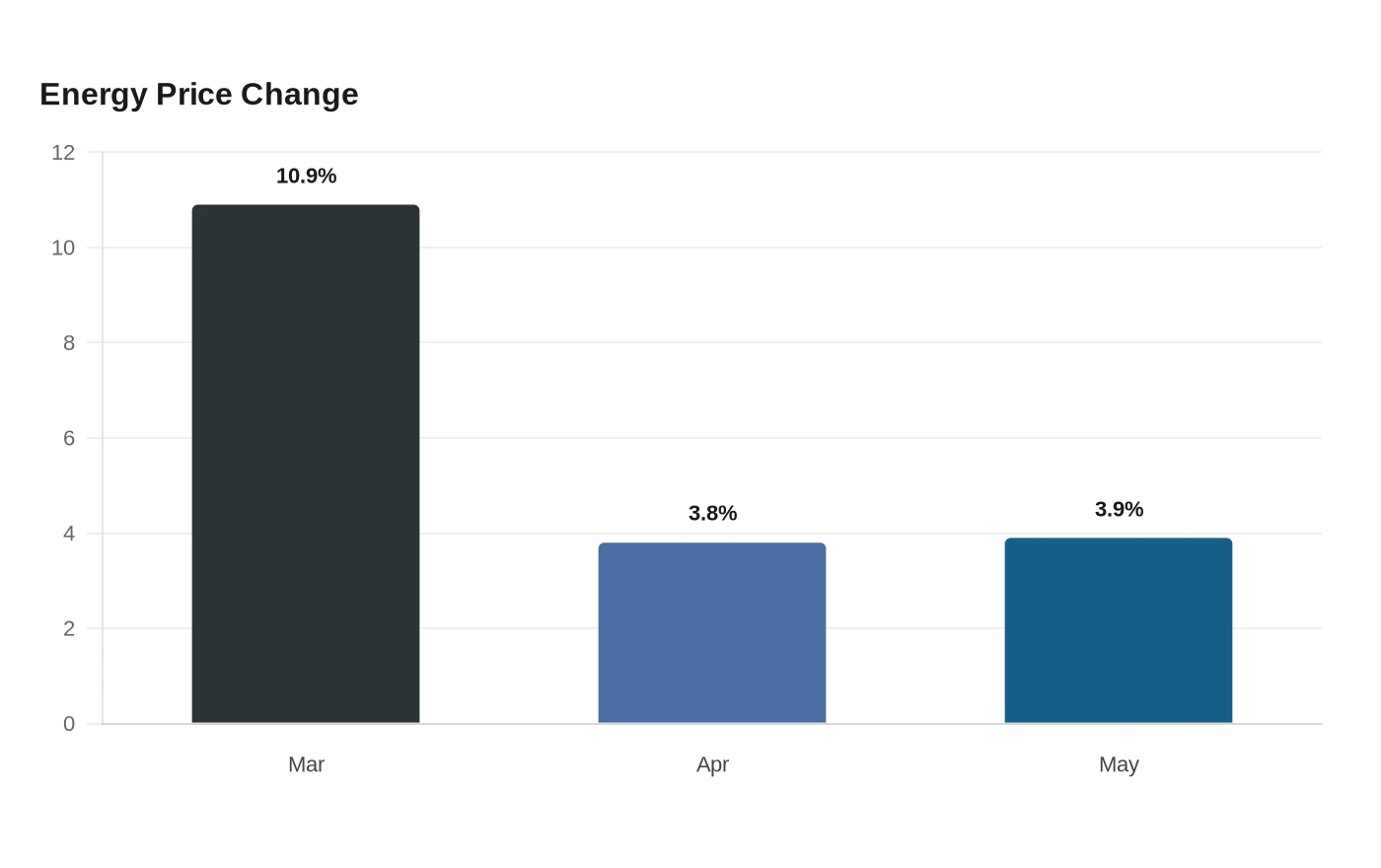
The Consumer Price Index rose 0.5% from April, the fastest monthly gain in months, while core CPI, which strips out food and energy, increased 0.2% on the month and 2.9% over the past year. The U.S. Bureau of Labor Statistics said energy prices climbed 3.9% in May after rising 3.8% in April and 10.9% in March, accounting for more than 60% of the monthly increase in the overall index. Shelter prices rose 0.3% and food prices increased 0.2%, keeping pressure on household budgets from multiple directions.
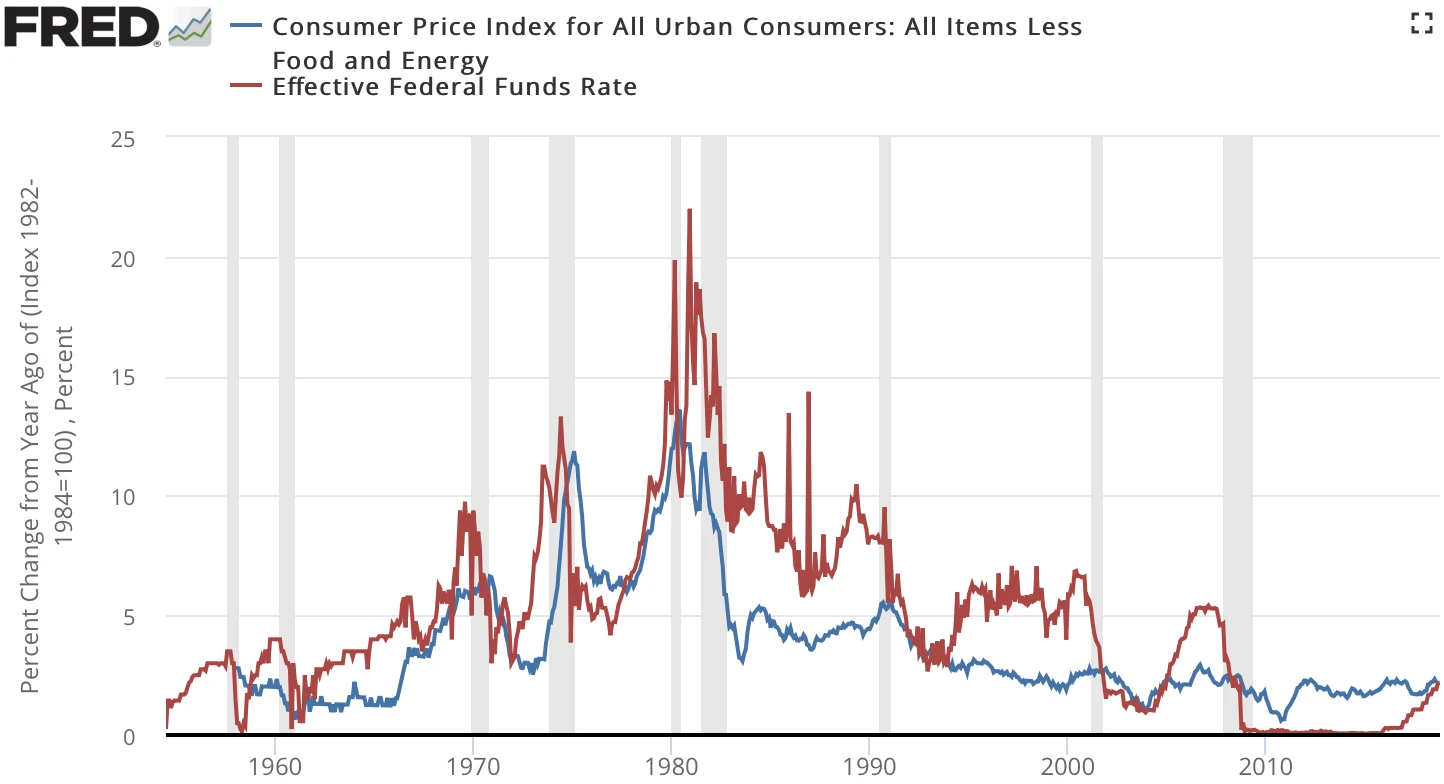
That combination matters because mortgage rates respond not just to the Fed’s policy rate, but also to Treasury yields and inflation expectations. When investors see inflation running above the central bank’s 2% target, they tend to demand higher returns on bonds, and that flows through to borrowing costs for home loans. In practice, that means mortgage rates can remain elevated even before the Fed makes any formal move.
Freddie Mac said the average 30-year fixed mortgage rate was 6.48% in its June 4 survey, down slightly from 6.53% a week earlier and below 6.85% a year earlier. Sam Khater, Freddie Mac’s chief economist, said affordability was marginally improving because mortgage rates were in the mid-6% range and income growth was outpacing home-price growth. For many borrowers, though, the savings remain modest: on a typical purchase mortgage, even small changes in rates can alter monthly payments by hundreds of dollars over the life of the loan.
The inflation print landed just before the Federal Reserve’s June 17-18 meeting, where markets and economists widely expect officials to hold rates unchanged. Reuters polling showed a strong majority of economists see the Fed keeping policy steady for the rest of 2026, even as interest-rate futures price in at least one hike by year-end. With inflation now back near levels not seen since 2023, any meaningful easing in mortgage rates may have to wait for clearer evidence that price pressures are cooling.
Sources
- [1]cbsnews.com
- [2]bls.gov
- [3]freddiemac.com
- [4]freddiemac.gcs-web.com
- [5]money.usnews.com
- [6]cmegroup.com
- [7]reuters.com