Business
Inflation rises for third straight month as Iran war drives oil shock

U.S. inflation picked up again in May as the Iran war pushed energy costs higher and began working its way into household budgets. Consumer prices rose 4.2% from a year earlier, up from 3.8% in April, the strongest annual increase since April 2023.
The monthly consumer price index rose 0.5%, and the Bureau of Labor Statistics said energy accounted for more than 60% of that increase. Energy prices climbed 3.9% in May, with gasoline leading the way as the conflict drove oil markets sharply higher.
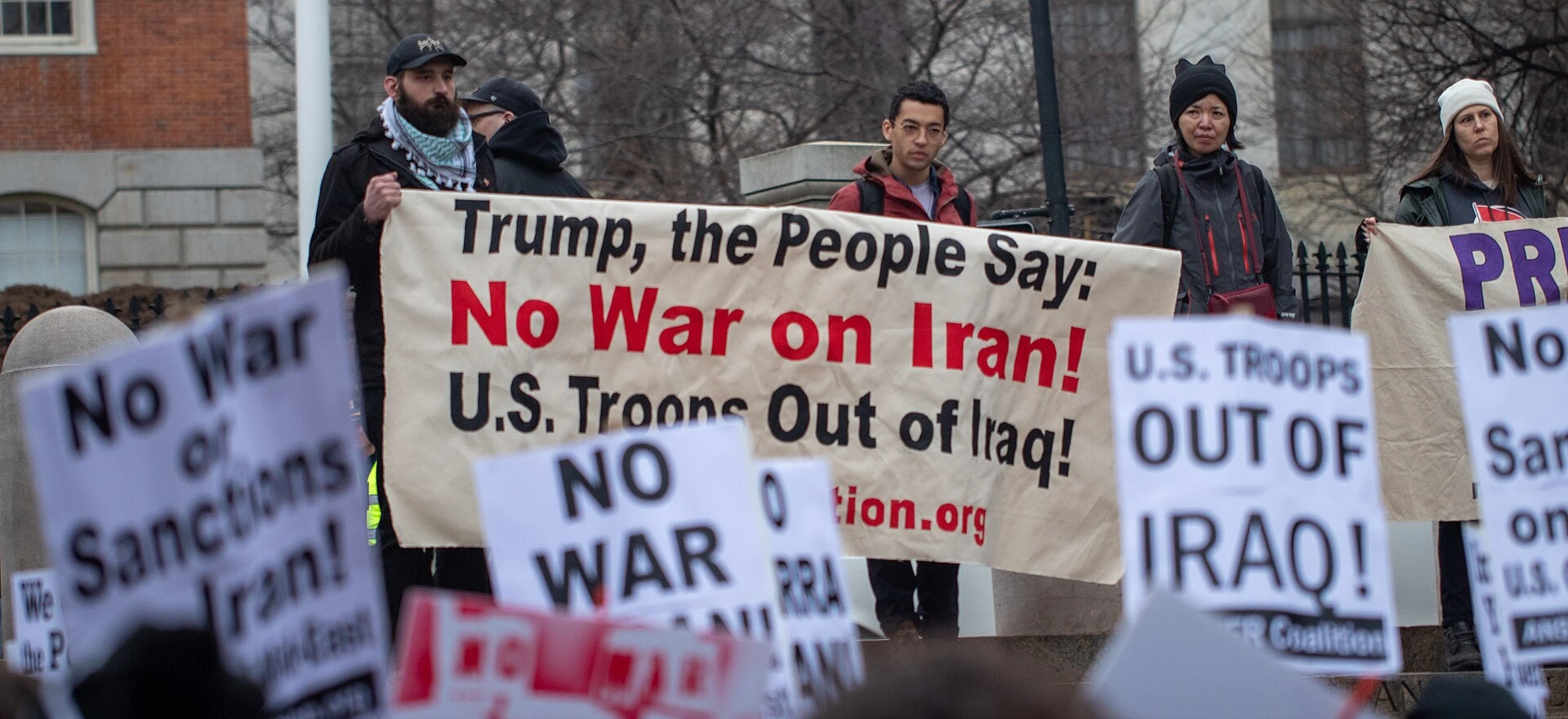
The war’s impact has centered on the Strait of Hormuz, the narrow shipping route that carries about one-fifth of global oil supply. Iran’s closure of the waterway and the resulting standoff triggered one of the largest oil shocks ever recorded, lifting the average U.S. gasoline price to $4.15 a gallon on Wednesday, up $1.17 from before the war began on Feb. 28. That is nearly 40% higher in roughly three and a half months.
The pressure is no longer confined to the pump. Higher diesel costs are feeding through freight and food distribution, with tomatoes up 32% from a year earlier, seafood up 6% and beef up nearly 13%. That is the clearest sign that an energy shock is moving from markets into everyday prices.
Even so, the inflation picture is still mixed. Core CPI, which strips out food and energy, rose 0.2% from April and 2.9% from a year earlier. Inflation had been only slightly above the Federal Reserve’s 2% target as recently as February, before the Middle East conflict changed the path of prices.
The reading matched economists’ expectations, but the persistence of the oil shock is keeping pressure on the central bank. Futures markets overwhelmingly expect the Federal Reserve to hold rates steady at its next meeting, though stubborn headline inflation could keep borrowing costs higher for longer. The Federal Reserve Bank of Dallas has estimated that, under a current scenario, the Iran war would lift fourth-quarter 2026 headline PCE inflation by 0.6 percentage points and core PCE by 0.2 points. Its researchers warned that a complete halt to Persian Gulf oil exports would amount to a 20% disruption of global oil supplies, underscoring how quickly a conflict abroad can filter into prices paid by U.S. households.
Sources
- [1]abcnews.com
- [2]bls.gov
- [3]dallasfed.org
- [4]cepr.org
- [5]money.usnews.com