Technology
Inouye telescope captures the Sun’s most detailed surface images yet
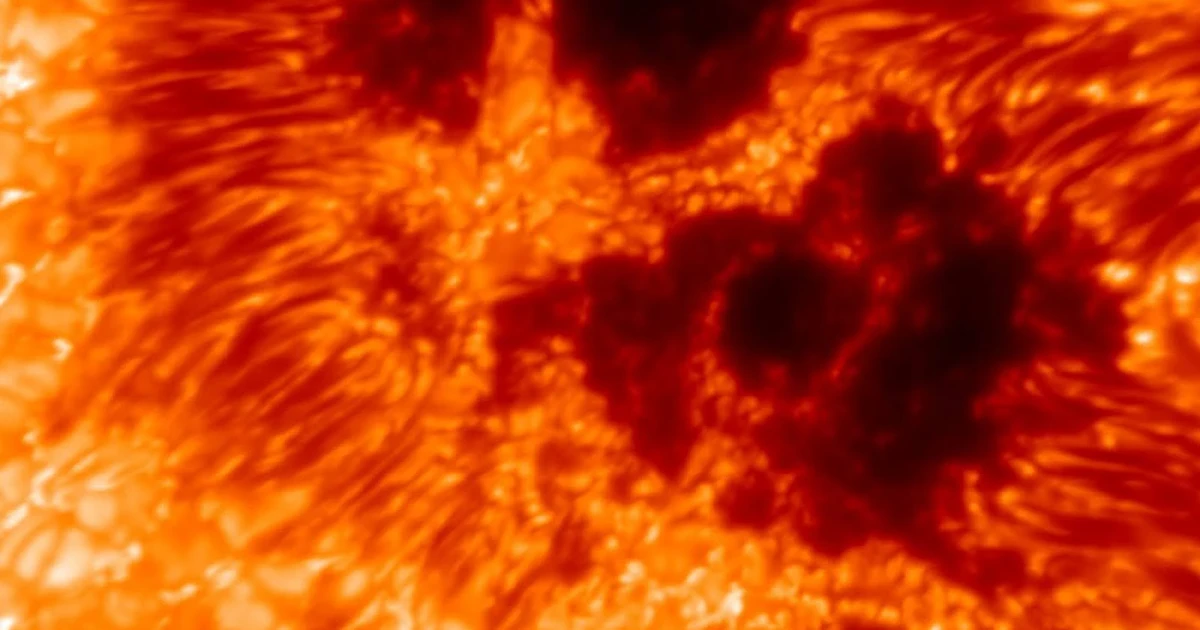
The National Science Foundation’s Daniel K. Inouye Solar Telescope has given scientists the sharpest look yet at the Sun’s surface, resolving features about 30 kilometers, or 18 miles, across from its perch on Haleakalā in Maui, Hawaii. The images matter far beyond their visual drama: they help researchers study the photosphere and the magnetic field that drives space weather, the solar activity that can disrupt Earth’s power grids, satellites, communications and astronaut safety.
The telescope’s first-light image was taken on January 28, 2020 and released that month, showing cell-like structures on the Sun’s surface at a wavelength of 789 nanometers. At the time, it was the highest-resolution image of the Sun’s surface ever taken, and scientists said the visible patterns looked like Texas-sized roiling features. The observatory said the first image captured a region of the Sun about 36,500 kilometers wide, a view broad enough to reveal structure while still picking out details previously out of reach.
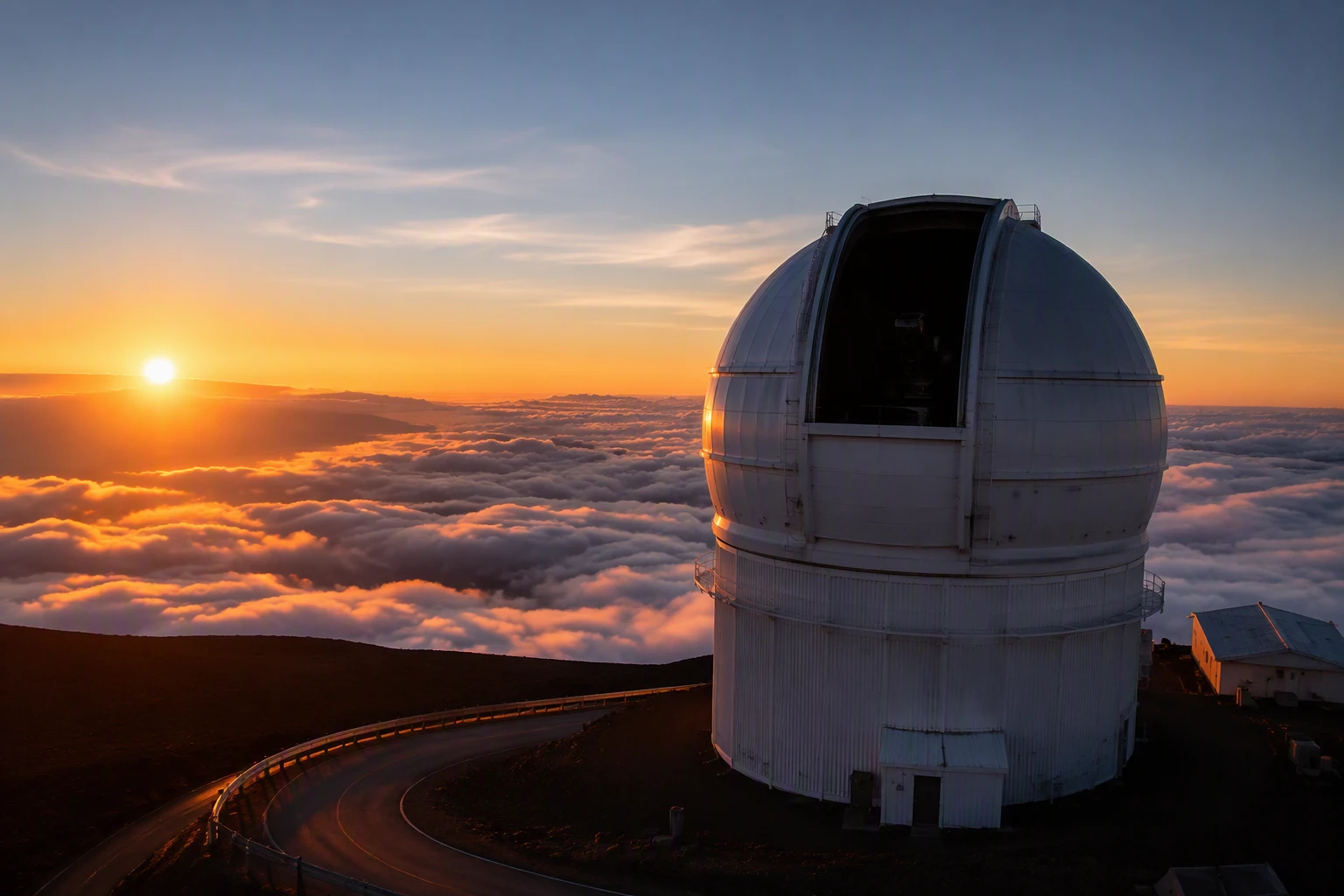
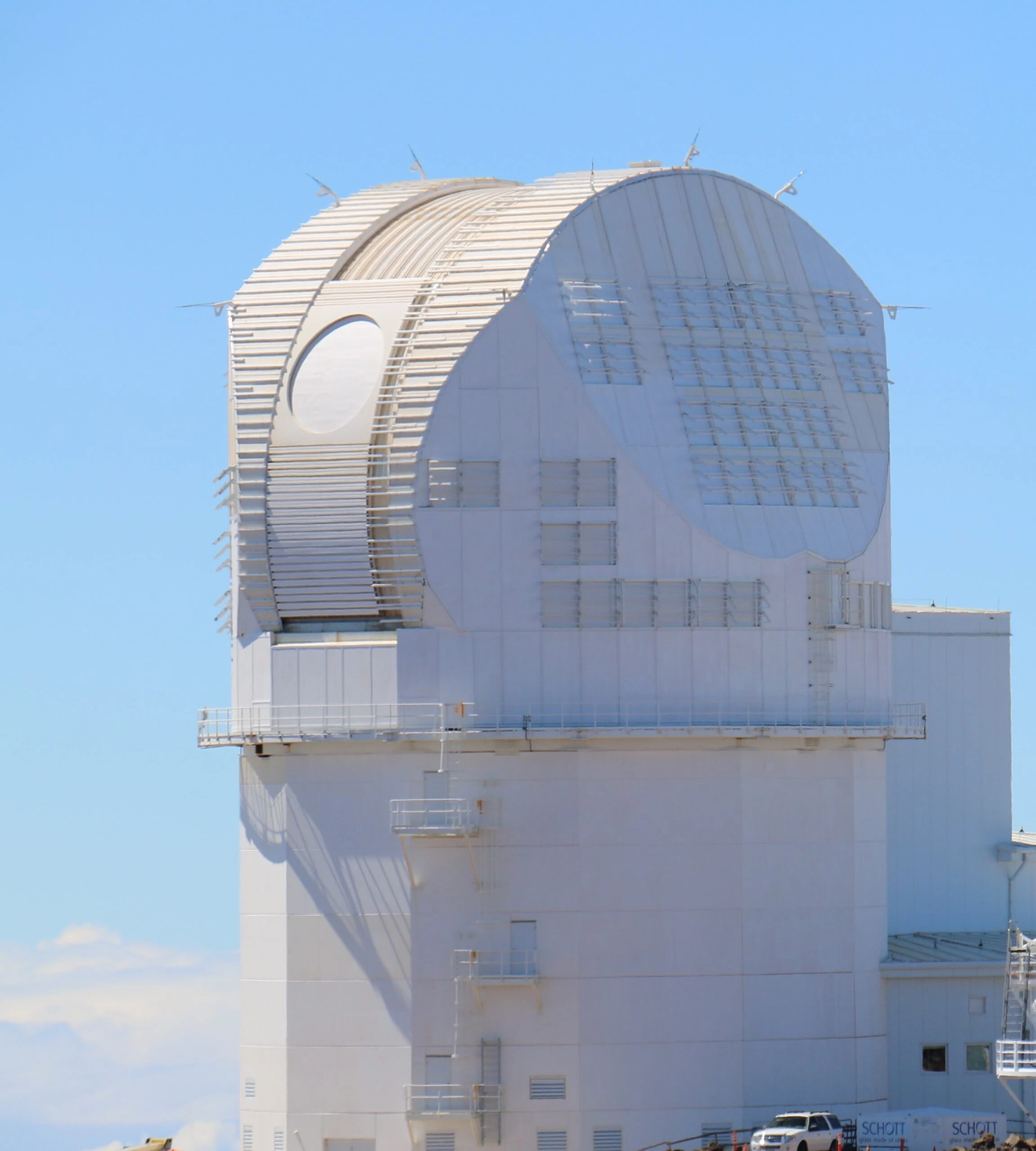
The Daniel K. Inouye Solar Telescope is a 13-foot solar telescope operated by the National Science Foundation, with work tied to the National Solar Observatory and partners including the Association of Universities for Research in Astronomy and the University of Chicago. Its primary aim is to measure the magnetic field that threads the solar atmosphere from below the visible surface upward, a key step in understanding how energy builds and is released in flares and eruptions.
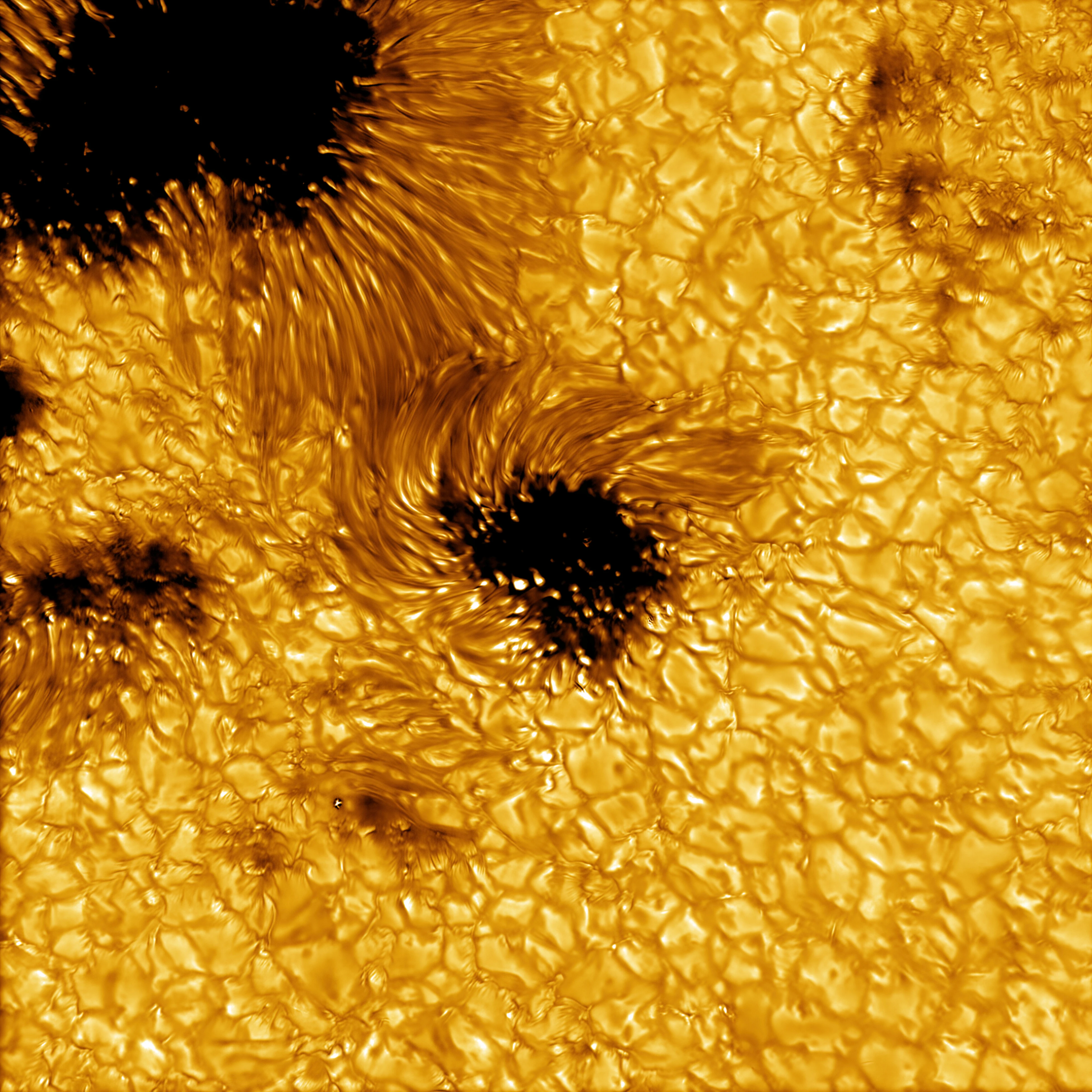
That mission has continued to expand. In May 2023, the observatory released eight new images of the Sun showing a range of sunspots and quiet regions, adding more detail to the telescope’s growing record. In 2025, the largest imaging spectro-polarimeter at the Inouye reached first light, marking another advance in the observatory’s ability to dissect light from the Sun and map the forces shaping its atmosphere.
For scientists, the promise is practical as well as scientific. Better images and sharper magnetic measurements can improve understanding of when the Sun is likely to send out bursts that interfere with GPS, damage satellites or strain power systems on Earth. With each new instrument and each cleaner image, the telescope is turning the Sun from a bright disk into a readable source of warnings.
Sources
- [1]cbsnews.com
- [2]nso.edu
- [3]noirlab.edu
- [4]news.uchicago.edu
- [5]hawaii.edu