World
Inquiry probes why white working-class pupils in England underperform

The Independent Inquiry into White Working-Class Educational Outcomes has already polled 2,000 parents and 2,000 children and young people aged 9 to 18. Run by Public First for Star Academies, the inquiry is led by Sir Hamid Patel and Estelle Morris, with Sir Kevan Collins on the board, and it is due to publish its report in summer 2026.
Its research programme runs from June 2025 to March 2026 and combines polling, focus groups, evidence sessions and immersive research. So far it has completed three linked polls, one each of young people, parents and school staff, and five evidence sessions covering curriculum and teaching, transitions and destinations, inclusive practices, community influences, and vocational learning, colleges, technical and skills policy. The inquiry has also spoken to thousands of young people and their parents, plus hundreds of teachers.
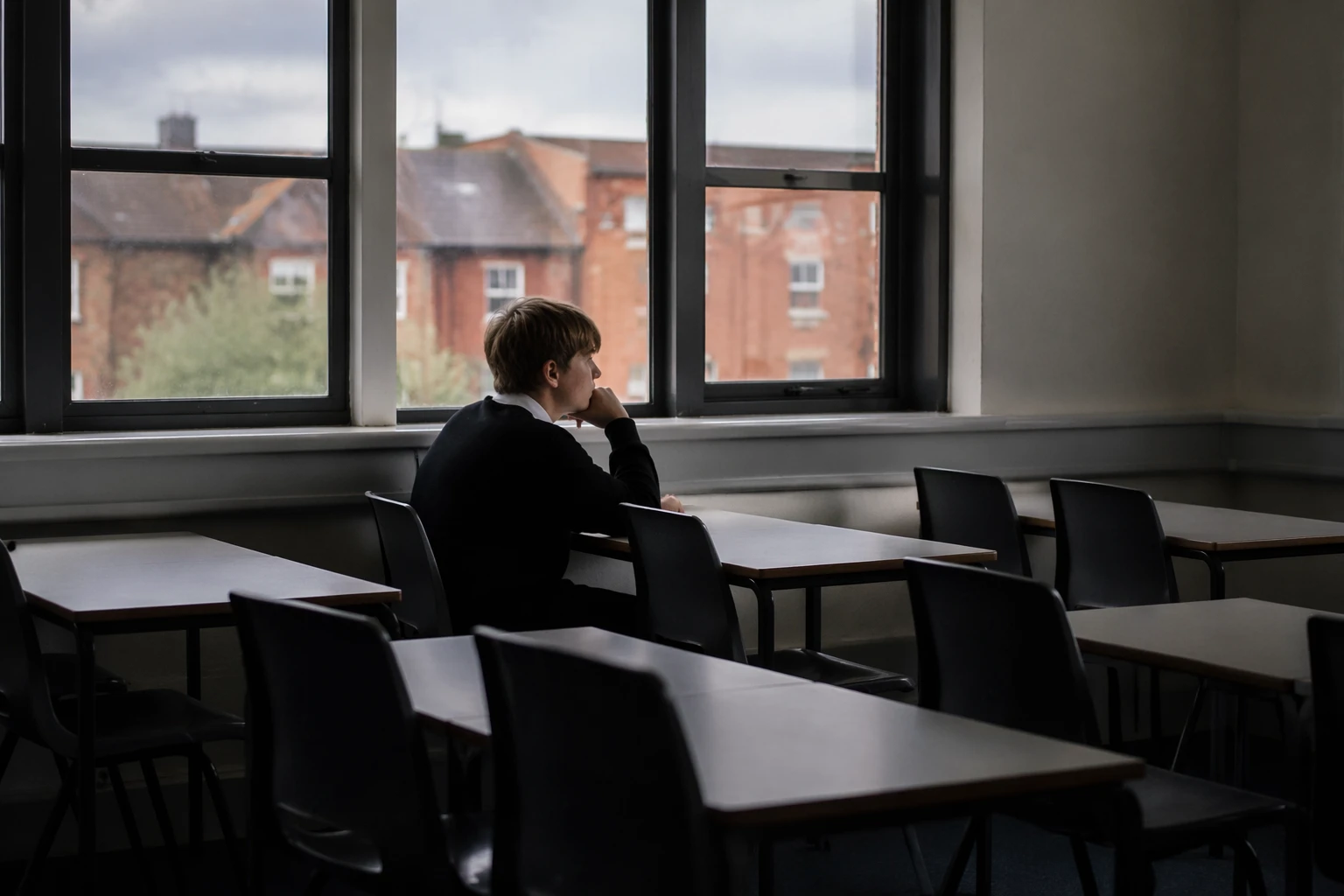
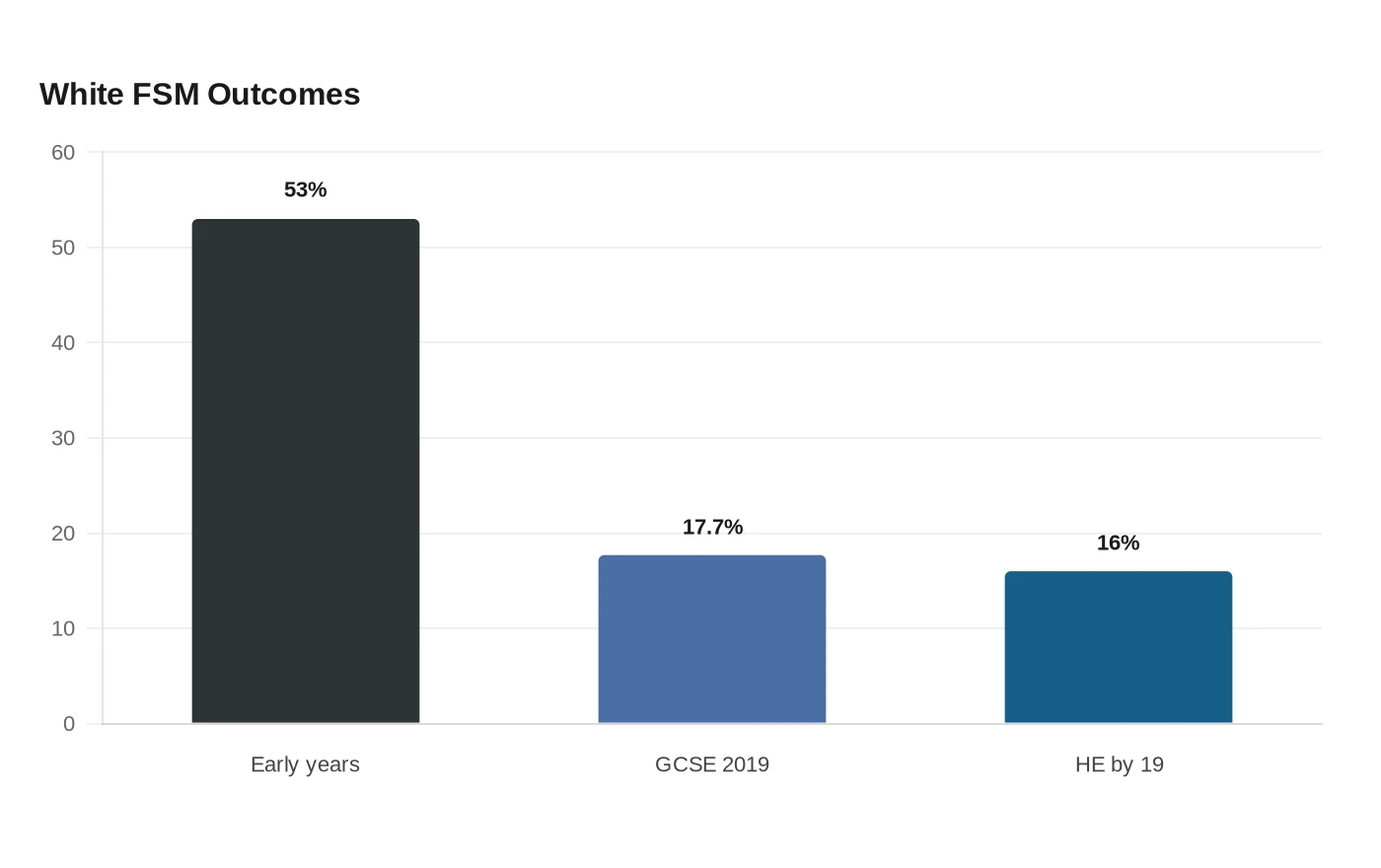
The House of Commons Education Committee’s 22 June 2021 report, The forgotten: how White working-class pupils have been let down, and how to change it, found that White British pupils eligible for free school meals underperform from early years through higher education. It found that in 2018/19 only 53% of those pupils reached the expected standard of development at the end of early years, only 17.7% achieved grade 5 or above in English and maths at GCSE in 2019, and just 16% entered higher education by age 19 in 2018/19. The committee found poverty alone did not explain the gap.

Education Secretary Bridget Phillipson said white working-class children had “been betrayed” and “left behind.” Government data showed that only 21 secondary schools had disadvantaged white British pupils with a Progress 8 score above zero, while 1,061 of 1,228 secondaries with more than 20% white working-class pupils taking GCSEs had a Progress 8 score of -0.5 or worse for those pupils. FFT Education Datalab says “white working-class” is not a dataset variable and is often proxied by free school meal eligibility.