Sports
Inside Phuket’s grueling Muay Thai camp, where culture meets tourism
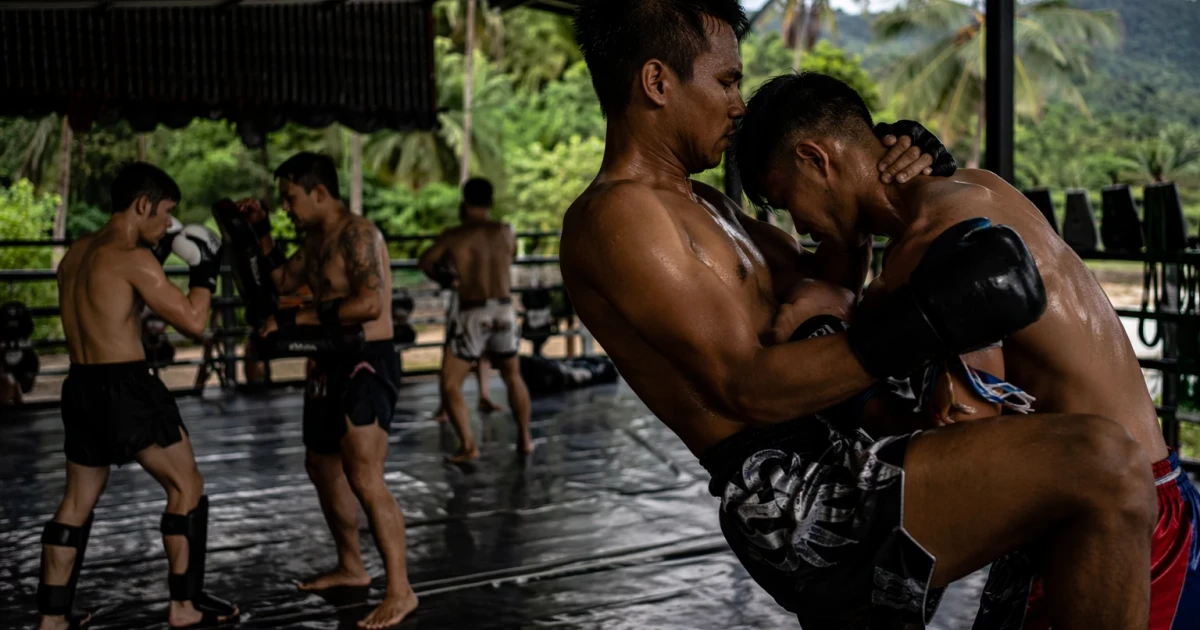
At a Phuket training camp, the physical demand is only part of the story. The harder question is what the grind means now: for Thai identity, for a tourism industry built on experience, and for men searching for discipline in a culture that increasingly prizes vulnerability as much as bravado.
Muay Thai as heritage, not just combat
Muay Thai is Thailand’s national sport, and its reputation as the “Art of Eight Limbs” comes from the way fighters use punches, kicks, elbows, and knees in a single system. Before bouts, boxers perform the ram muay, a ritual dance that honors teachers and guardian spirits, a reminder that the sport is rooted in respect as much as aggression. UNESCO includes Muay Thai among Thailand’s intangible cultural heritage elements, reinforcing that this is living culture, not a side attraction for tourists.
That cultural depth matters in Phuket, where training camps increasingly sit at the intersection of sport, wellness, and travel. A week inside a grueling camp does not simply show how fighters sweat through drills and conditioning. It shows how Thailand packages a national symbol for domestic pride and international consumption at the same time, turning the ring into a place where identity is performed, tested, and sold.
Why the modern sport looks the way it does
The Muay Thai people recognize today was shaped in the 1930s, when Queensberry boxing reached Thailand and began influencing the native sport. Rings replaced looser fighting spaces, and time limits brought a new structure to bouts. That historical shift helped formalize Muay Thai while preserving its older cultural markers, especially the ritual and symbolism that still distinguish it from other combat sports.
This hybrid history is part of why the sport resonates so strongly now. It feels ancient and modern at once: bound to Thai heritage, yet legible within the global fitness and combat-sports economy. In a place like Phuket, that combination gives Muay Thai unusual power as both a local practice and an exportable experience.
What a week in the camp reveals about masculinity
The current appeal of intense training spaces goes beyond conditioning. They offer a socially acceptable place to struggle, submit to instruction, and rebuild the self through repetition, pain, and control. For many men, that kind of environment feels different from the older script of masculinity built around swagger alone. Muay Thai asks for obedience, humility, and the willingness to be corrected in public, which can make it feel more honest than softer wellness trends.
That helps explain why camps are becoming arenas of self-definition. The body is not just being transformed; it is being disciplined into a story about who is tough, who is resilient, and who can endure. In Thailand, and increasingly among visitors, that story now overlaps with wellness culture, where hardship is marketed as healing and self-mastery as a form of status.
Tourism has become part of the fight
Phuket sits inside Thailand’s broader sports-tourism push, and the Tourism Authority of Thailand has made Muay Thai a visible part of that strategy across 2023, 2024, 2025, and 2026. In 2023, the agency promoted an “Amazing Muay Thai Experience” that highlighted Muay Thai Boran traditions in Surat Thani, Nakhon Ratchasima, Uttaradit, and Lop Buri, with the explicit goal of spreading tourism income into the regions. The message was clear: Muay Thai is not only Bangkok spectacle or stadium entertainment, but a cultural asset that can support local economies.
That approach continued with the “Amazing Thailand Muay Thai Summer Camp 2024,” staged from 16 to 28 July 2024 with WBC MuayThai, EVA Air, and See My Thailand. By 2026, the promotional calendar had expanded again, with the “Amazing MuayThai Festival” scheduled for 4 to 7 February 2026 in Hua Hin. Taken together, these efforts show a state-backed attempt to turn the sport into an engine of travel, heritage branding, and regional development.
What this means for communities
The tourism boom around Muay Thai can bring jobs, visibility, and spending to places that are often left out of mainstream travel circuits. It can also create pressure to simplify a complex tradition into a marketable package. When cultural practices are adapted for visitors, the challenge is keeping the ritual, language, and teaching relationships intact rather than reducing the sport to a sweat session with a Thai label.
There is also a public health dimension. Training camps promote fitness, discipline, and routine, which can be valuable in a world of sedentary work and fragmented attention. But the culture around extreme training can also normalize pain as virtue, making it important to distinguish healthy challenge from injury, overtraining, and exploitative coaching environments. If the camp is framed only as a test of will, the social costs disappear from view.
Why Phuket matters in the larger picture
Phuket’s appeal is not just the beach backdrop. It is the way the island stages Thailand’s global image, blending hospitality, performance, and bodily labor into one package. A Muay Thai camp there shows how the country is marketing more than a sport. It is selling a version of national identity in which tradition survives through tourism, and masculinity is no longer measured by domination alone, but by endurance, discipline, and the ability to submit to a demanding craft.
That is why the camp feels larger than the ring. Muay Thai in Phuket has become a cultural negotiation, one that links heritage to revenue, wellness to struggle, and personal reinvention to a national story still being written.
Sources
- [1]nytimes.com
- [2]britannica.com
- [3]ich.unesco.org
- [4]tatnews.org