Politics
Inside President Trump’s Second-Term Staffing Record: Patterns and Implications
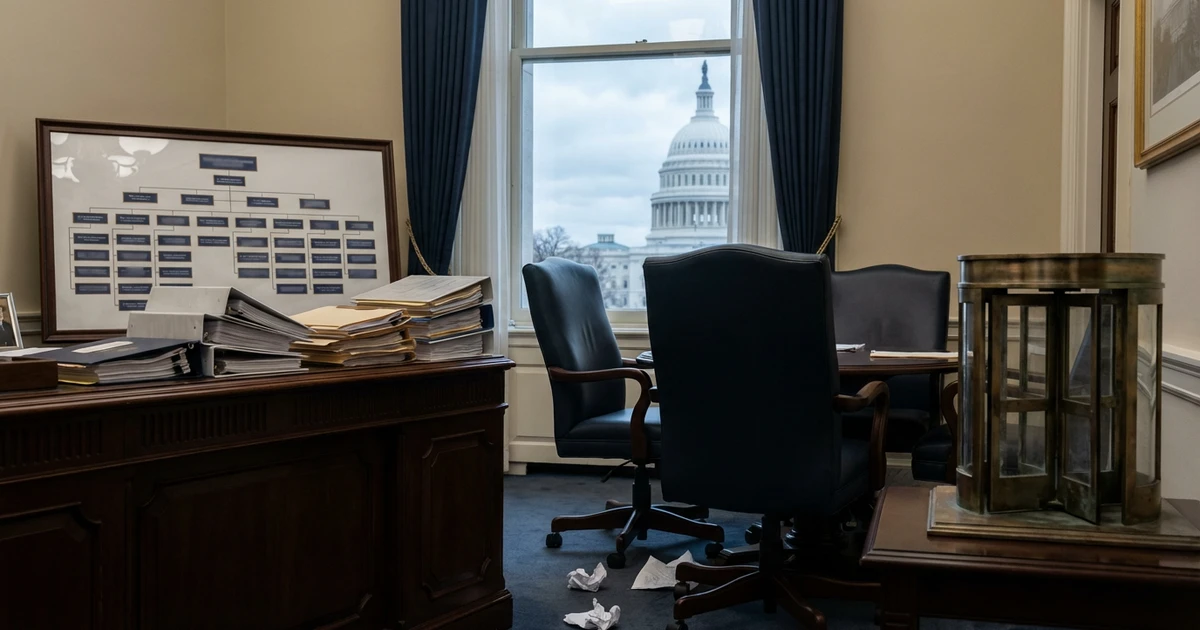
President Donald Trump’s second term in the White House has brought renewed scrutiny to the administration’s approach to staffing key roles. As the political landscape continues to evolve, understanding the patterns and implications of the president’s personnel decisions is crucial for evaluating both policy outcomes and the administration’s broader effectiveness.
Turnover Trends Continue in Second Term
President Trump’s first term was marked by historically high staff turnover, and early assessments indicate that this trend has persisted into his second term. Multiple senior positions have experienced rapid changes, with acting officials frequently installed in roles that traditionally require Senate confirmation. This revolving-door approach has shaped the administration’s ability to implement its agenda and respond to national challenges.
- Cabinet-level positions have seen recurring vacancies and interim appointments.
- Key agencies such as the Department of Homeland Security and the Department of Defense have operated with acting leadership for extended periods.
- Third-tier and sub-cabinet roles also continue to experience significant churn, affecting institutional continuity and expertise.
Emphasis on Loyalty Over Experience
One defining feature of President Trump’s staffing strategy has been the prioritization of personal loyalty. Reports indicate that the president has often favored individuals with close ties to his inner circle or those who have demonstrated unwavering support for his policies and public statements. While this approach can foster a cohesive team, it has also led to the appointment of officials with limited experience in their respective fields, raising questions about the impact on governance and policy implementation.
Impacts on Policy and Governance
The consequences of frequent personnel changes and a loyalty-focused selection process are significant:
- Institutional memory and expertise are diminished, potentially undermining long-term planning and crisis response.
- The reliance on acting officials can weaken oversight and reduce accountability, as these appointees may be less subject to congressional scrutiny.
- Policy initiatives may lack consistency, with new leaders bringing divergent priorities and management styles to their roles.
Comparison with Historical Norms
Historically, presidential administrations have sought to strike a balance between loyalty and expertise when filling key positions. President Trump’s approach, which continues to favor loyalty even into his second term, represents a departure from precedent. This shift has prompted debate among analysts and scholars about its long-term effects on the effectiveness and stability of the executive branch.
Looking Ahead: What the Staffing Record Signals
As President Trump’s second term unfolds, the administration’s staffing patterns offer insight into the evolving nature of presidential leadership. High turnover and the emphasis on loyalty over experience suggest both opportunities and risks for the administration’s ability to achieve its policy objectives. Observers will be watching closely to see how these trends influence the government’s performance in the coming years.
Sources
- [1]Brookings