Politics
Inside the Push to Modernize Federal Government
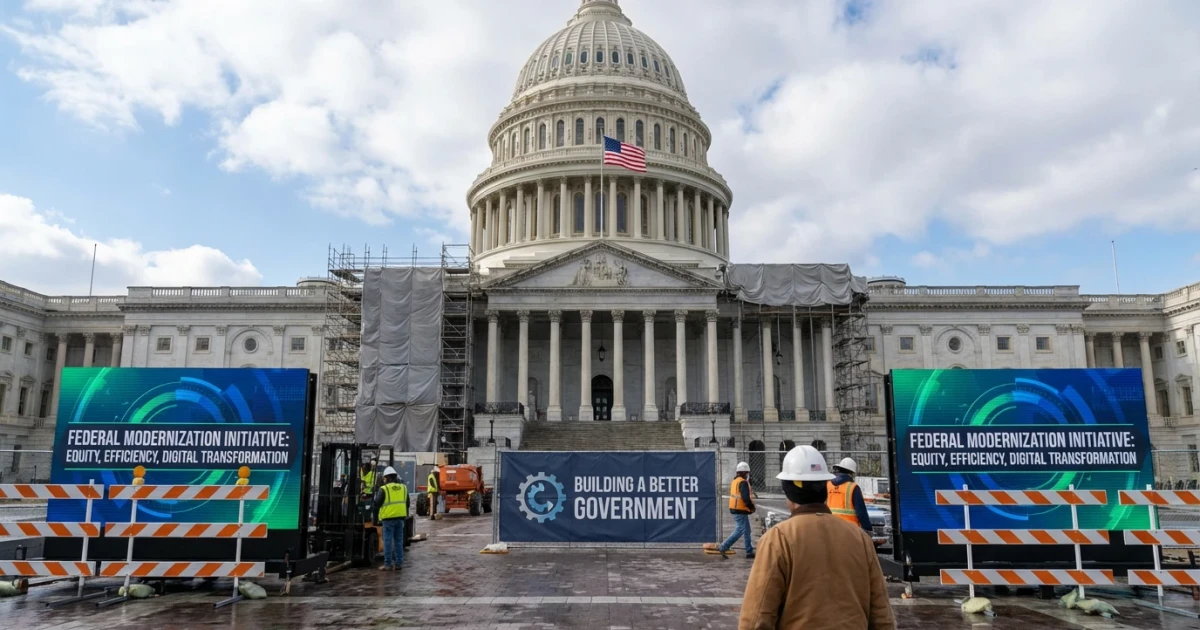
The Biden administration is ramping up its efforts to overhaul the federal government, prioritizing modernization, equity, and increased efficiency across agencies. The push, highlighted in Politico’s recent West Wing Playbook, involves a mix of legislative proposals, executive orders, and agency-level initiatives with an aim to make government more responsive and accountable to the American public.
Focus on Equity and Inclusion
Since the beginning of President Biden’s term, advancing racial equity has been a central theme. The administration’s Executive Order 13985 tasked agencies with reviewing their policies and programs to remove barriers and improve access for underserved communities. This government-wide initiative has led to the creation of equity action plans at major agencies, designed to address systemic disparities in federal services and contracting. According to Politico, senior advisors in the West Wing have made these efforts a policy cornerstone, regularly checking in on agency progress and publicizing new milestones.
Legislative Action for Government Reform
On Capitol Hill, the administration has championed major reform legislation such as the For the People Act of 2023 (H.R.1), a sweeping bill aimed at tightening ethics rules, increasing transparency, and modernizing election administration. The bill’s provisions cover a wide range of reforms, from strengthening conflict-of-interest requirements for public officials to expanding access to voting and updating government technology infrastructure.
- H.R.1 includes measures to secure federal data systems and improve digital services for citizens.
- It also establishes new reporting requirements, with oversight from the House Committee on Oversight and Accountability, to ensure compliance and track progress.
Although the legislation has faced partisan debate, with some Republicans raising concerns about federal overreach, Politico reports that the White House continues to lobby lawmakers, framing modernization as essential for a government that serves all Americans more fairly and efficiently.
Digital Transformation and Data Transparency
The administration’s modernization drive is also grounded in a commitment to digital transformation. Agencies are increasingly using open data and advanced analytics to improve program performance and public transparency. Initiatives include:
- Prioritizing cloud migration and cybersecurity upgrades for critical government systems.
- Expanding public access to government datasets on spending, demographics, and program outcomes.
- Streamlining processes for regulatory filings through platforms like Regulations.gov, making it easier for citizens and businesses to provide input on proposed rules.
Politico notes that these efforts are overseen by the White House Office of Management and Budget and the federal Chief Information Officer, with regular updates on progress and remaining challenges. Analysts from the Government Accountability Office (GAO) have offered cautious praise, citing improved efficiency but warning that legacy IT systems and workforce gaps remain obstacles.
Challenges and Accountability
Despite these advances, the drive to remake government faces ongoing hurdles. Policymakers must contend with bureaucratic resistance, funding limitations, and the sheer scale of federal operations—employing over 2 million civilian workers and serving a population estimated at over 333 million people. Efforts to measure progress rely on new oversight mechanisms, including regular reporting to Congress and the public, as well as audits by the GAO.
Politico’s coverage highlights that while the administration has set ambitious goals, the process of government reform is incremental. Success depends on sustained engagement across agencies and branches of government, as well as ongoing input from stakeholders and the public.
Looking Ahead
As the modernization agenda moves forward, observers will be watching for tangible improvements in government services, increased trust in institutions, and more equitable outcomes for all Americans. The stakes are high, with the administration betting that a more modern and inclusive government can better address the complex challenges of the 21st century.