US News
Inside Trump’s Mar-a-Lago Ballroom Fundraising Deal
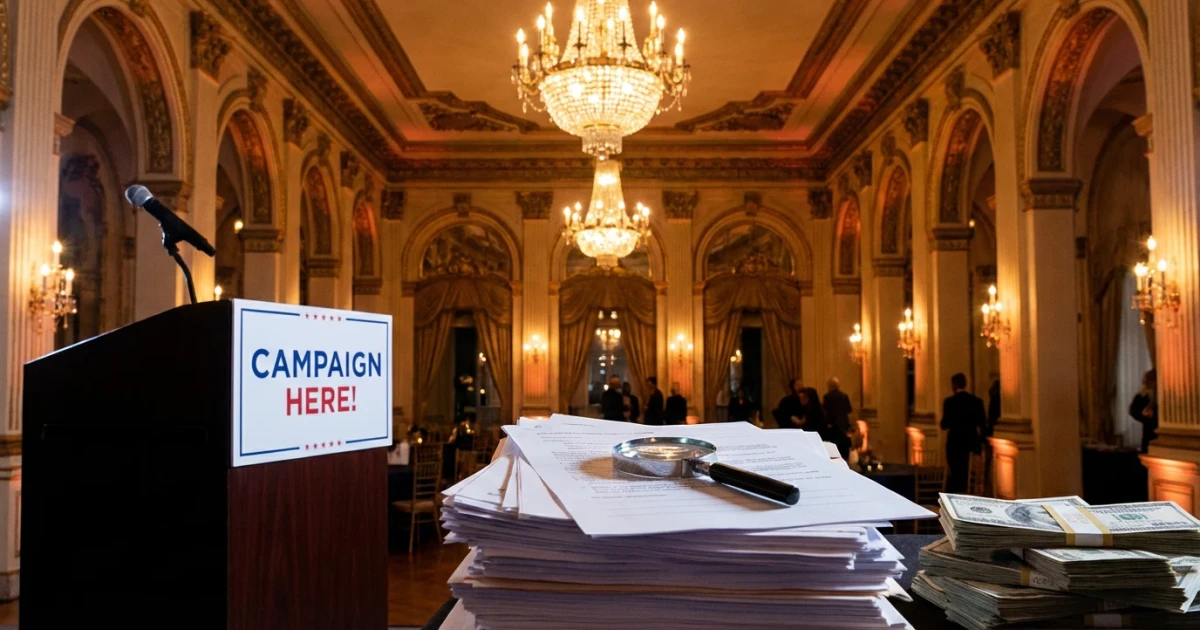
For months, Donald Trump and his legal team fought to keep the details of a fundraising contract for the Mar-a-Lago ballroom out of the public eye. Now, with the contract made public, new insights have emerged into how Trump’s presidential campaign leveraged his own Florida estate for political events—and how much it paid to do so.
The Mar-a-Lago Fundraising Contract Revealed
The contract, first obtained by The Washington Post, outlines the terms under which Trump’s campaign rented the opulent ballroom at Mar-a-Lago for fundraising events. The document details fees, services, and conditions for use of the property, including catering, security, and payment schedules. While the Trump campaign has hosted numerous high-profile events at the Palm Beach club, the specifics of these business arrangements had remained confidential until now.
- The contract sets event rental fees and required deposits for use of the ballroom space.
- It specifies obligations for catering, security, and other services provided by Mar-a-Lago staff.
- Payment timelines and cancellation policies are included, outlining penalties for late payments or event changes.
The contract also stipulates that all payments must be made to the Trump-owned property, with no discounts for the campaign or affiliated groups. This arrangement means that campaign donors' contributions, ultimately, go toward paying Trump’s own business.
Campaign Spending at Trump Properties
The release of the contract has renewed scrutiny of political spending at Trump-owned venues. According to data tracked by Citizens for Responsibility and Ethics in Washington (CREW), political groups have spent millions at Trump properties since 2015, with Mar-a-Lago being a top recipient. These payments are disclosed in Federal Election Commission filings and are categorized under event venue and catering expenses.
- Detailed records show that Trump’s campaign and supporting committees have paid millions of dollars to Mar-a-Lago and other Trump properties.
- Individual contributors fund these events through donations, which are then used for such payments.
While such arrangements are legal under federal election law, ethics experts and watchdogs have raised concerns about the potential for self-dealing. The Federal Election Commission (FEC) requires campaigns to report the purpose of each disbursement, and rental payments to a candidate’s own business must be made at fair-market value.
Transparency and Legal Debates
The Trump campaign’s efforts to keep the contract secret led to a protracted legal battle. The Washington Post reports that Trump’s lawyers sought to block public release, arguing that disclosure could reveal proprietary business information. Ultimately, courts ruled that the contract was relevant to public interest, especially given its intersection with campaign finance and personal business dealings.
With the contract now public, analysts and voters alike are able to scrutinize whether the payments made by Trump’s campaign reflect fair-market value and comply with reporting requirements. The issue also fuels ongoing debates about transparency in political fundraising and the unique challenges posed when a candidate maintains extensive business interests.
Looking Ahead
The Mar-a-Lago contract’s disclosure is likely to prompt further examination of how Trump’s campaign and other political committees use donor funds. As the 2024 election cycle continues, watchdog organizations are expected to monitor additional filings and contracts to ensure compliance with campaign finance law and ethical standards. For voters and analysts, the contract offers a rare window into the business of modern political fundraising—and the blurred lines between public office, private business, and campaign operations.