Technology
Inside WWE’s high-tech production trucks and new Stamford studio
Ammie Sekhon’s behind-the-scenes look at WWE starts with the machinery that makes the spectacle possible. The company is not treating production as a hidden support function anymore. It is presenting trucks, cameras, studio systems, and virtual-production hardware as part of the product itself, because that technology shapes what fans see, how sponsors are sold, and how the business travels from arena to screen.
The trucks are part of the show
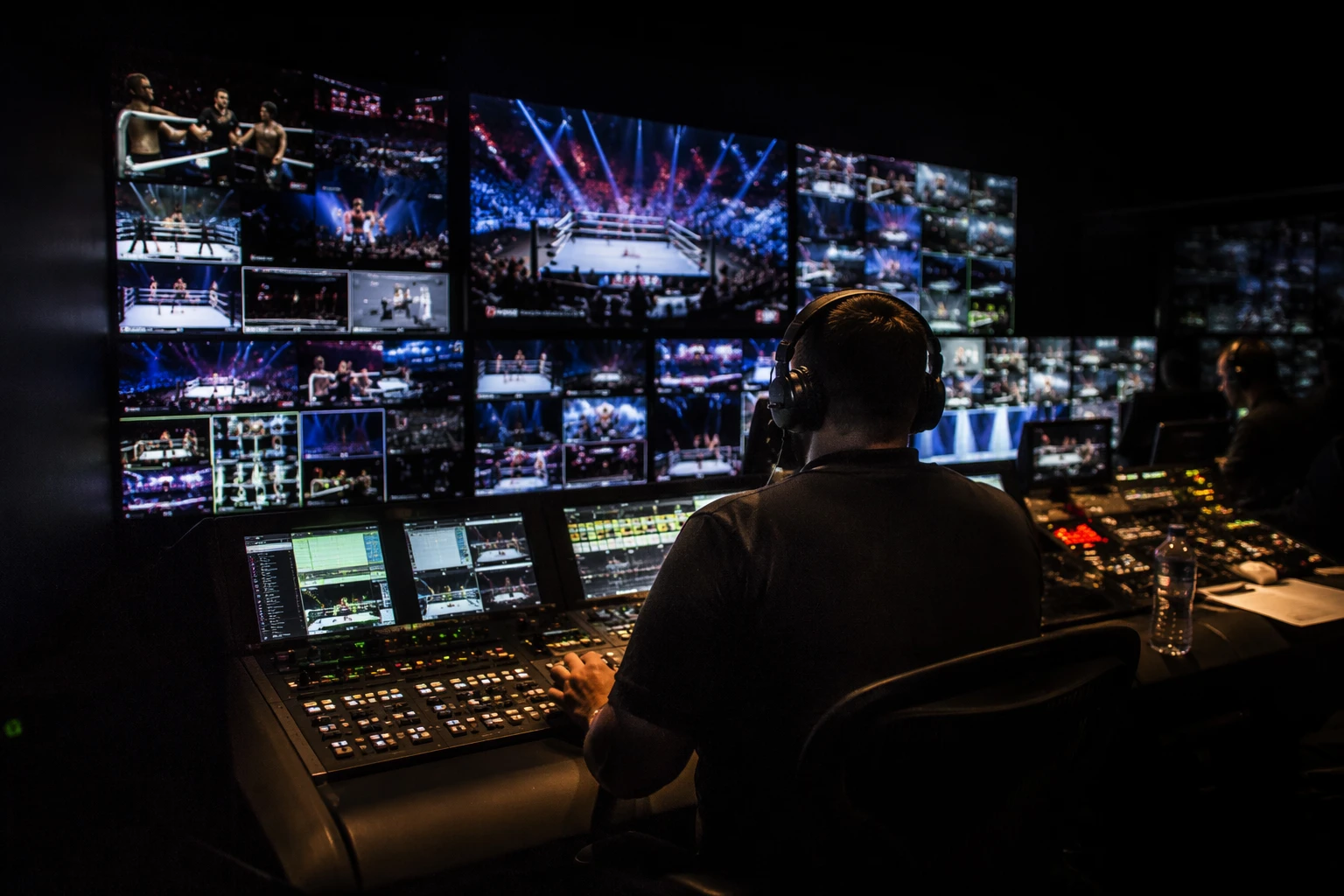
WWE has put a special behind-the-scenes spotlight on its production trucks and added the footage to a WWE Technology playlist built around TV production. That framing matters because the truck is where the live show is turned into the version that reaches television and digital audiences, with real-time switching, graphics, and camera coordination driving the pace of every match and entrance.
The company has long leaned into that side of the operation. Its earlier push around WWE HD already made broadcast quality part of the brand narrative, and the current focus on cameras, trucks, and live production systems shows the same logic at a more advanced level. When the control room becomes part of the story, the technology itself starts to carry marketing value.
A Stamford studio built for flexible production
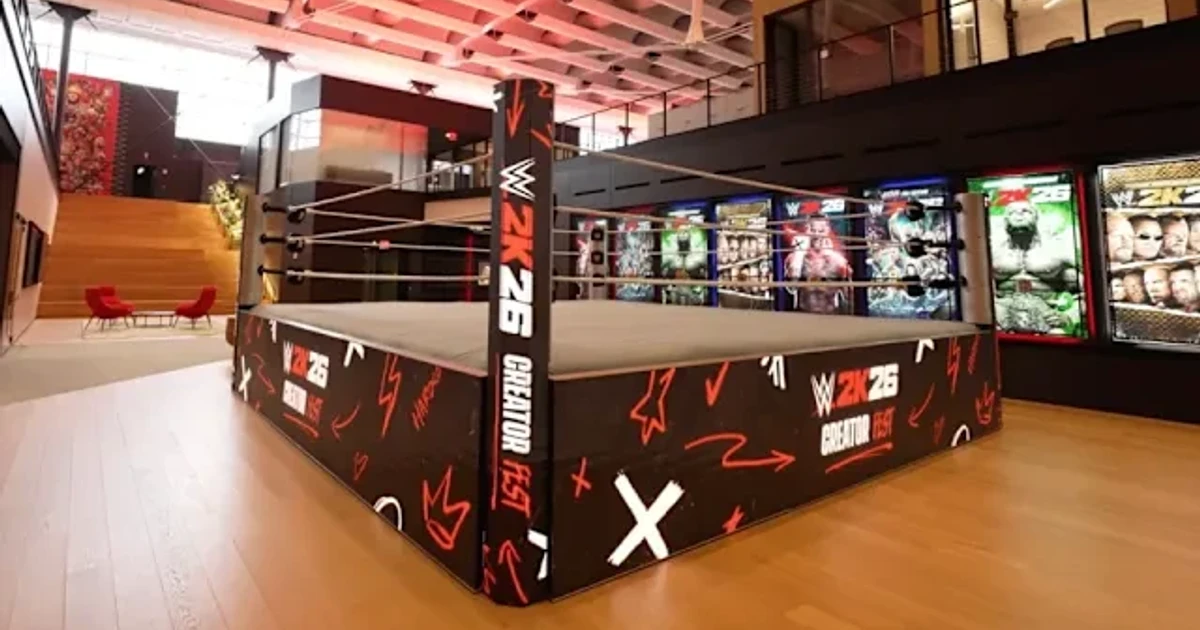
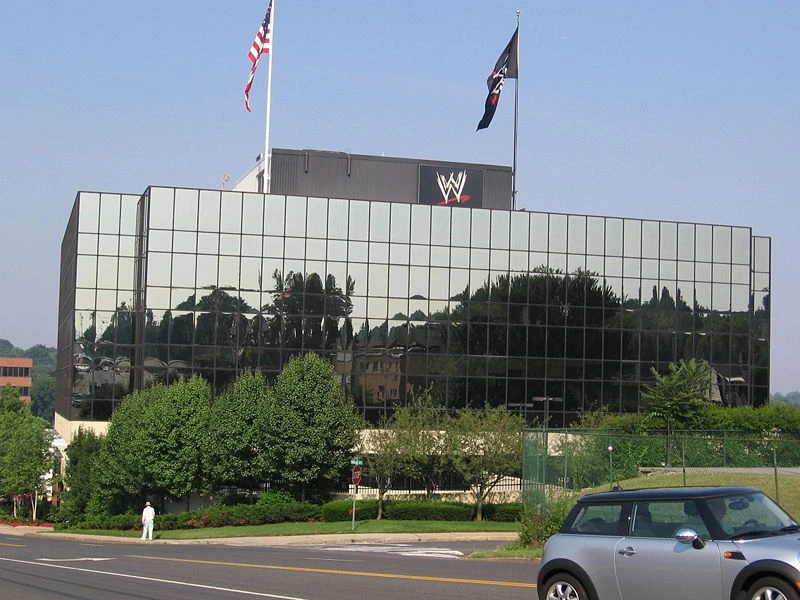
On April 10, 2024, WWE launched The Studios at WWE in Stamford, Connecticut, a 30,040-square-foot production facility with five studios. That is a meaningful footprint for a company that builds much of its audience around live events and constantly changing storylines, because a multi-studio base allows WWE to create more content without depending entirely on arena schedules.
Studio 3 is the clearest example of where the company is heading. WWE says the space is equipped with Disguise VX 4+ and Sony’s Crystal LED VERONA display, and that it was the first U.S. client to install the modular display built for virtual production. In practical terms, that points to a studio designed to merge live camera work with digitally controlled visuals, giving WWE more room to build polished segments, promotional material, and production elements inside a dedicated facility rather than only on the road.
Why the hardware matters
The appeal of a setup like this is not just technical bragging rights. A facility with five studios gives WWE more control over timing, branding, and content flow, which matters in a business where the same characters and storylines have to work across broadcast, streaming, clips, and social platforms. A modular display built for virtual production also gives the company a way to keep visuals fluid, which is useful when the product depends on constant scene changes and strong sponsor presentation.
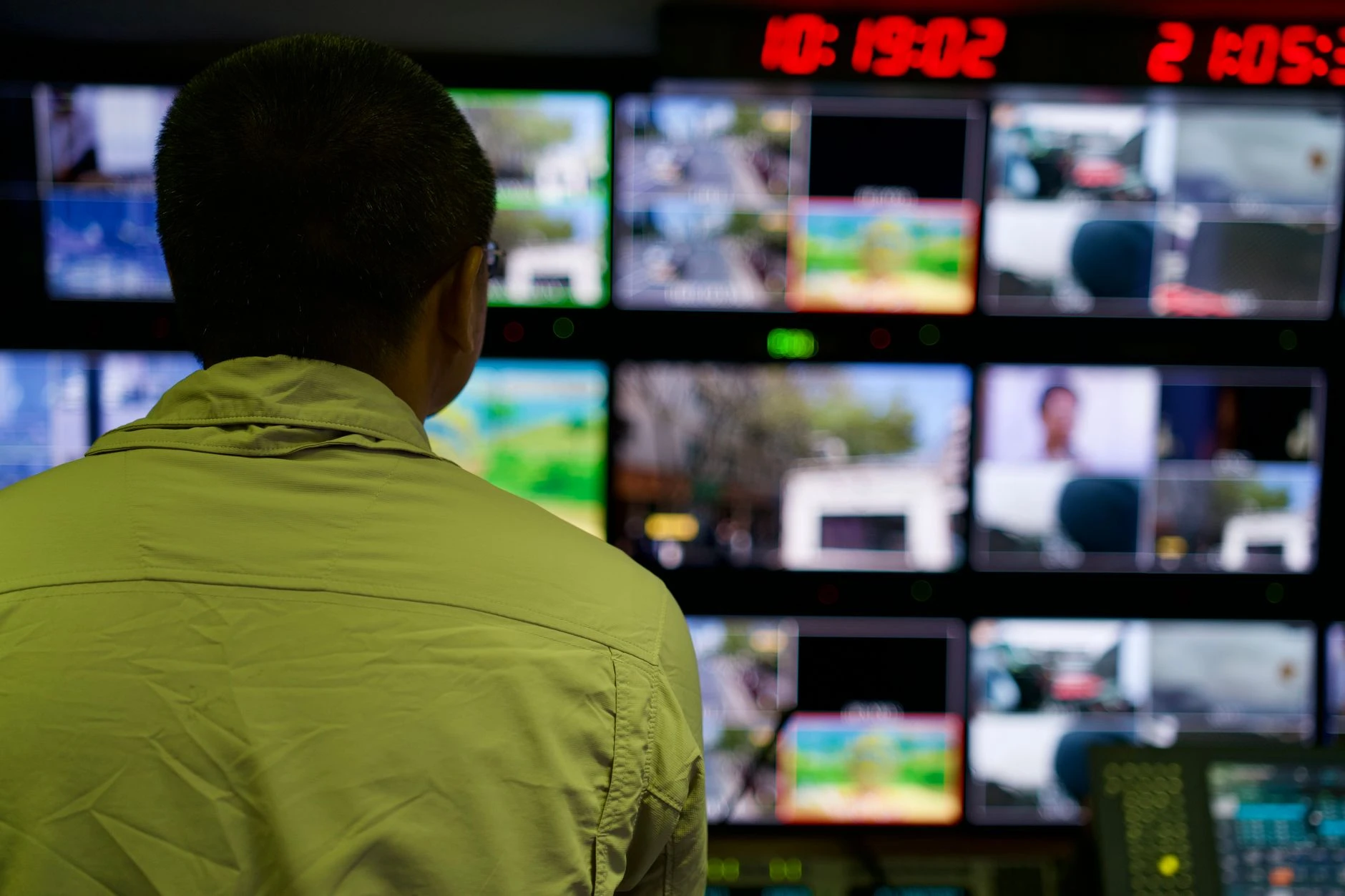
That is where broadcast tech becomes a business tool. Better real-time video systems mean cleaner transitions and more dynamic on-screen packaging. More flexible studio spaces mean more opportunities to produce extra content that can be sold, clipped, or promoted alongside live programming. In sports-style media, production quality is not just an aesthetic choice; it is part of the inventory.
The roadshow still feeds the brand
WWE’s live-event history in the United Kingdom shows why the company keeps investing in this infrastructure. WWE Live returned to Liverpool, Sheffield, Newcastle, Dublin and Cardiff in 2023, reinforcing the idea that touring is not separate from the broadcast business. It is the source of it. Live crowds give WWE the noise, visuals, and geographic reach that make the television product feel bigger.
That pattern continued in 2026. On April 7, WWE added three new dates to its European Summer Tour. On May 7, it announced that SmackDown would go to The O2 in London on Tuesday, June 23, 2026, and that Utilita Arena Sheffield would host a live event on Wednesday, June 24, 2026. The sequencing is telling: a major television taping in London, followed by a live event in Sheffield, keeps the company’s broadcast and touring engine moving in tandem.
What fans see, and what the company sells
For the audience, these upgrades show up as sharper pacing, more polished visuals, and a smoother link between what happens in the arena and what appears on screen. A production truck with strong real-time systems can keep the show moving when a match changes, a promo runs long, or a crowd reaction needs to be captured immediately. A studio like The Studios at WWE can generate the extra content that keeps the brand active between shows.
For WWE, that same machinery supports the commercial model. Better production raises the value of the live feed, the replay package, and the promotional clips built from it. It also helps the company turn the technology itself into branded content, whether through the WWE Technology playlist or the behind-the-scenes video focused on its production trucks. In a market where live entertainment competes with every other screen, the edge often belongs to whoever can make the production stack invisible to fans and indispensable to the business.
Sources
- [1]bbc.co.uk
- [2]corporate.wwe.com
- [3]wwe.com