Entertainment
Installer newsletter spotlights Feel Good, Johnny Knoxville, and Google Zero
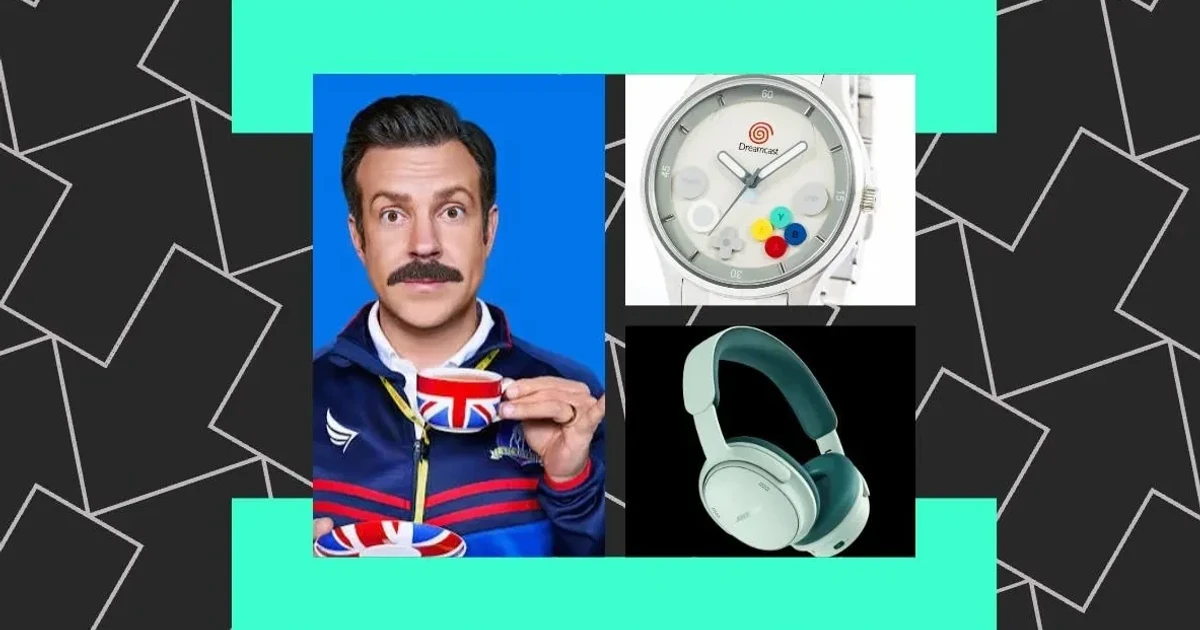
A Netflix dramedy built for repeat watching, a Johnny Knoxville profile centered on a long-established persona, and Google Zero anchor the newest Installer bundle. David Pierce’s newsletter has always been about what to watch, read, listen to, and explore, and this lineup revolves around repeat viewing, established personas, and search results that keep more users on the page than on the open web.
Comfort TV is now a strategy, not just a mood
Feel Good sits at the center of that shift. It is a TV series on Netflix, and IMDb lists it as a 2020 to 2021 series with a 7.5 rating across comedy, drama, and romance. Netflix UK put it bluntly: “Feel Good Season 1 and 2 are now streaming on Netflix.”
The show was created by Mae Martin and Joe Hampson, and its two-season run gives it the kind of finite, easy-to-enter shape that streamers like to keep in circulation. It is not light in the simplistic sense, though: Mae Martin’s show “will make you feel things,” as a Mashable review put it.
The broader pattern is easy to see in streaming behavior. Viewers are not only choosing shows for novelty anymore, they are choosing programs with known emotional registers, recognizable creators, and clear genre labels. A show like Feel Good can be filed under comedy, drama, and romance, which makes it legible in an interface built to reduce friction and keep people watching.
Why familiar titles keep outperforming riskier bets
The business case for that familiarity is strong. In a fragmented media environment, a viewer faced with too many options often defaults to the safest known quantity, especially when the title already carries critical notice, a decent rating, and a reputation for emotional payoff. Feel Good had all three, and the streaming catalog keeps that value alive even after the original run ends.
The return of a known title to the home screen, or to a newsletter slot, is less a comeback than a reminder that platforms increasingly rely on library content to hold attention between bigger bets.
Johnny Knoxville works as a different kind of comfort object
Johnny Knoxville appears in the same cultural frame for a reason. A New Yorker profile titled “Johnny Knoxville, America’s God of Mischief” asks what moves the star of Jackass to risk his life for entertainment, then answers with a family description that sticks: “He’s got a golden heart and a soul to match,” his cousin said. “The great mystery is what’s going round and round inside that carnival brain.”
That quote captures the strange stability of Knoxville’s public identity. He has built a career out of volatility, but the audience already knows the shape of the performance, which makes him a recognizable figure in a way many newer entertainers are not. A 2023 Associated Press interview on his life after stunts called Knoxville no stranger to head injuries, a line that has become almost inseparable from his brand.
Knoxville is also moving into fresh scripted work, including the comedy series Mt. Mystic.
Google Zero shows how attention is being trapped upstream
If Feel Good and Knoxville show the pull of familiarity, Google Zero shows the cost of losing it. The term points to a search environment where users get answers without clicking through to another site, and the anxiety around that shift is now plain across publishing and marketing. A 2025 Forbes analysis of AI-powered zero-click search focused on fewer opportunities to capture clicks, leads, and conversions.
The numbers attached to the trend are sobering. In a February 2025 marketing explainer, Sleeping Giant Media put the share of Google searches that now end without a click at 60%. That is a marketing claim rather than a public dataset, but it captures why the issue has spread well beyond SEO departments. When the answer arrives on the results page, the old traffic bargain starts to collapse.
The zero-click conversation has widened into a broader debate about discovery. Digiday has tracked how the semantics of search are changing amid the zero-click era, and AI Overviews and answer boxes are now treated as core features rather than side effects. The practical result is that publishers, streamers, and brands are all competing in environments that reward instant recognition and reduce the odds of a second step.
The rest of the Installer bundle still fits the same logic
The newsletter does not stop at TV, celebrity, and search theory. It also points readers toward a new all-purpose backpack, the latest Bose cans, and an Anthony Bourdain movie.
Sources
- [1]theverge.com
- [2]m.imdb.com
- [3]netflix.com
- [4]facebook.com
- [5]youtube.com
- [6]mashable.com
- [7]yelp.com
- [8]bookandfilmglobe.com