Technology
Insurers begin weighing coverage for orbital AI data centers
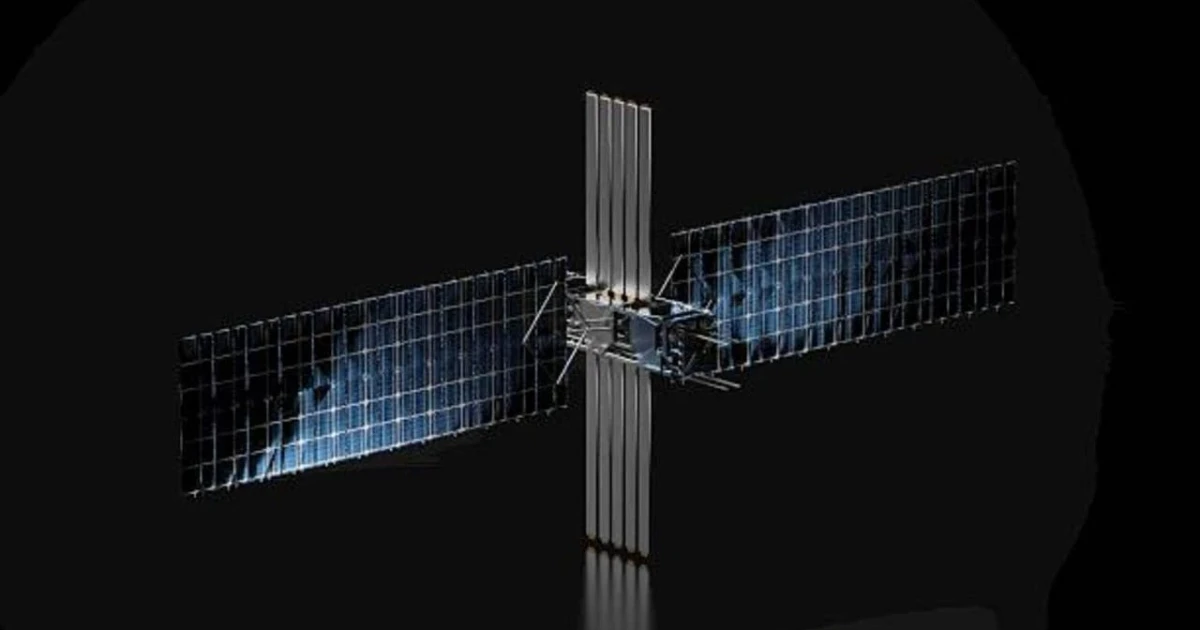
Insurers are beginning to weigh coverage for orbital AI data centers, a small but telling step for a concept that has sounded more like science fiction than commerce. The talks are still preliminary, but the fact that underwriters are even considering the risk marks a credibility test for a business model that depends on whether expensive computing hardware can survive in orbit.
The companies pushing the idea include SpaceX and Blue Origin, backed by Elon Musk and Jeff Bezos, along with startups Orbital, Starcloud, Lonestar Data Holdings and Cowboy Space. Marsh has been among the brokers involved in the outreach, and the market has not advanced far enough to support a standard product. That means any future policy would have to be built almost from scratch around launch coverage, liability, cyber exposure, debris risk, power loss and the possibility that a single failure could destroy a highly valuable system.

The renewed interest is being driven by the same forces reshaping the ground-based data center market. A June 2026 JLL report projected nearly 100 gigawatts of new data centers would be added globally between 2026 and 2030, effectively doubling capacity, while the sector is expected to grow at a 14% compound annual rate through 2030. For AI operators facing land shortages, water-use pressure and long grid-connection delays, orbit is being treated as a possible escape route rather than a novelty.
That escape route remains narrow. Industry coverage in June highlighted the unresolved problems that still shadow orbital computing: launch costs, operational reliability, debris management, latency, cooling, power systems and radiation exposure. Northeastern University College of Engineering has also pointed to the need to solve power, radiation and heat dissipation challenges before such systems can become operational. On Earth, data centers are already controversial; in space, the engineering burden only gets heavier.

SpaceX has moved far enough to suggest a timetable. The company has said it aims to launch initial demonstrations of space-based AI computing infrastructure by late 2027, ahead of the “as early as 2028” deployment timeline disclosed in its IPO filing. That schedule does not prove the market is ready, but it shows orbital compute is moving from open-ended ambition toward a stated plan. For insurers, that is often the point at which speculation starts to look like an industry in formation.
Sources
- [1]money.usnews.com
- [2]finance.yahoo.com
- [3]msn.com
- [4]jll.com
- [5]coe.northeastern.edu
- [6]nature.com