Lifestyle
Intentional Indulgence Reshapes Consumer Choices
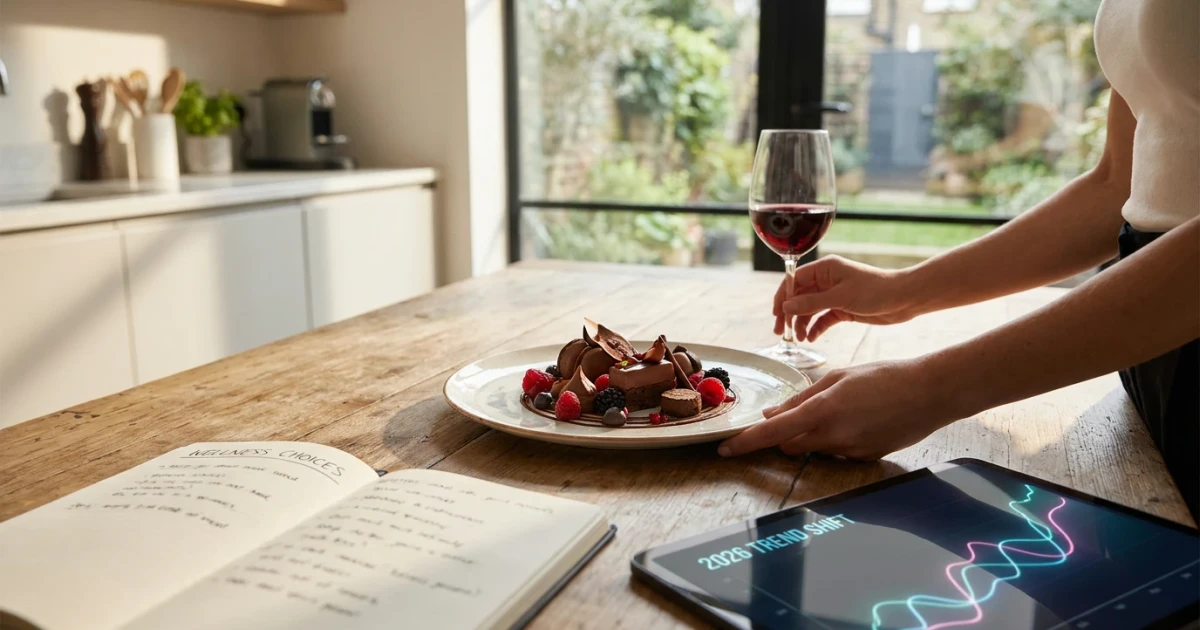
Intentional indulgence is transforming the way people approach food, drink, and lifestyle choices in 2026. According to the Hounslow Herald, the traditional sense of guilt associated with enjoying treats and luxuries is being replaced by a more mindful, pleasure-driven mindset. As consumers reframe their habits, brands and retailers are responding with new offerings and messaging that celebrate enjoyment without shame.
From Guilt to Pleasure: A Cultural Shift
The Hounslow Herald notes that 2026 marks a turning point for consumer behavior, with individuals increasingly seeking to savor their choices rather than feel remorse. This trend, referred to as intentional indulgence, highlights the growing acceptance of pleasure as a legitimate part of daily life. Surveys and market research from organizations like Statista and Mintel have shown that Americans and Europeans alike are increasingly motivated by enjoyment, with less concern for guilt when making purchase decisions.
- A Nielsen consumer report found that over 60% of respondents worldwide now view indulgence as a positive, intentional act.
- FMCG Gurus research indicates that the majority of consumers plan their indulgences, treating them as rewards rather than spontaneous splurges.
- Eurostat's official survey data shows a steady decline in self-reported guilt over eating habits since 2023.
Intentional Indulgence Drives Market Innovation
This new mindset is influencing offerings from brands and retailers. Companies are marketing products with a focus on pleasure, authenticity, and quality, rather than guilt-free alternatives. As the Hounslow Herald highlights, messaging has shifted toward celebrating enjoyment—whether it’s a decadent dessert or a premium beverage. According to FoodNavigator, brands are launching campaigns centered on intentionality and self-care, rather than restriction.
- Premium and artisanal products are seeing increased demand, as consumers prioritize experiences over quantity.
- Transparency in ingredients and sourcing is valued, with buyers seeking products they can feel good about indulging in.
- Retailers are offering curated selections and "treat yourself" promotions to reflect this shift.
Consumer Attitudes: Mindful Indulgence
Research from Ipsos Global Trends supports the Hounslow Herald’s analysis, showing that consumers are making intentional choices, with indulgence integrated into their routines. Rather than viewing treats as lapses, people are reframing them as part of a balanced lifestyle. The Pew Research Center also finds that happiness and pleasure are increasingly central to how Americans define well-being.
Looking Ahead: Future of Indulgence
As intentional indulgence becomes mainstream, experts anticipate continued shifts in consumer expectations. Brands that adapt by focusing on quality, authenticity, and mindful enjoyment are likely to thrive. The Hounslow Herald suggests that 2026 may be remembered as the year when guilt took a back seat to pleasure, fundamentally changing the landscape of food and lifestyle industries.
For readers interested in exploring the data further, links to consumer behavior statistics, market analysis, and official survey records offer deeper insights into this evolving trend.
As intentional indulgence continues to influence consumer choices, both brands and shoppers are redefining what it means to enjoy life’s pleasures—without guilt.