World
International Justice Faces Challenges Amid Global Tensions
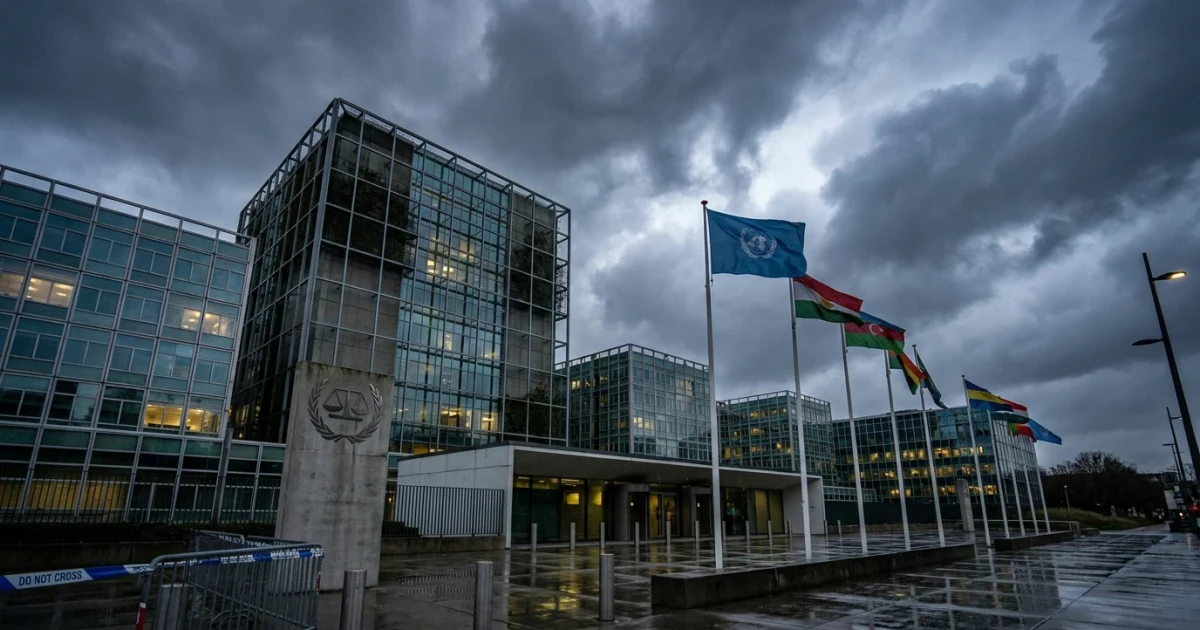
International justice, the system that holds individuals and states accountable for grave crimes such as genocide, war crimes, and crimes against humanity, is facing increasing challenges in today’s geopolitical climate. Despite mounting pressures and threats to its effectiveness, legal experts and observers argue its role is still essential for maintaining global order and protecting human rights.
Growing Threats to International Justice
Recent reports highlight a surge in threats to international justice mechanisms. The International Commission of Jurists (ICJ) found that political interference, non-cooperation by states, and budget constraints are undermining the work of courts like the International Criminal Court (ICC). The ICJ’s analysis underscores how states sometimes refuse to surrender suspects, question the legitimacy of tribunals, or withdraw from treaties, making prosecution and enforcement difficult.
- According to ICC statistics, the number of active cases has plateaued in recent years, partly due to state cooperation issues.
- UNODC crime and justice data shows declining conviction rates in international courts, especially for crimes involving state actors.
The Japan News notes that "international justice is under threat," citing geopolitical tensions and increased skepticism from powerful nations as key factors. The publication emphasizes that despite these obstacles, the pursuit of justice for major crimes remains indispensable for global stability.
Essential Role of International Justice
Legal analysts agree that the fundamental purpose of international justice—ensuring accountability for atrocities and preventing future crimes—is as crucial as ever. The Office of the UN High Commissioner for Human Rights (OHCHR) provides a comprehensive overview of the mechanisms, including the ICC, International Court of Justice, and ad hoc tribunals, all tasked with upholding the Genocide Convention and other foundational treaties.
- International justice mechanisms have contributed to landmark convictions, such as for genocide in Rwanda and war crimes in the former Yugoslavia.
- The ICC case database details ongoing proceedings and verdicts from high-profile cases worldwide.
Experts cited in The Japan News argue that, while imperfect, these mechanisms provide a deterrent effect and a measure of hope for victims. They acknowledge that enforcement is uneven and often subject to political will, but insist that abandoning these institutions would risk eroding the global norms established over decades.
Perspectives on Reform and Resilience
Calls for reform are growing louder, with advocates urging greater independence for international courts and stronger enforcement mechanisms. The Human Rights Watch World Report 2024 points to the need for more transparent procedures and enhanced protections for witnesses and victims. Some suggest expanding the jurisdiction of courts to cover new types of crimes, such as environmental destruction.
Despite the challenges, The Japan News concludes that international justice remains an essential pillar of the global order. The ongoing efforts to prosecute crimes, maintain legal standards, and support victims demonstrate its enduring relevance, even if progress is slow and often contested.
Looking Forward: Balancing Accountability and Realism
While the current landscape is fraught with difficulties, experts agree that abandoning international justice is not an option. As political tensions shift and new threats emerge, the international community must adapt—strengthening legal standards, encouraging cooperation, and investing in the institutions that uphold justice for all.
For those seeking deeper insight into international justice mechanisms and their current challenges, the resources from the ICC, OHCHR, and Human Rights Watch provide extensive data and analysis. As The Japan News underscores, the world must continue to support these institutions, not just for legal accountability but for the broader pursuit of peace and human rights.