Lifestyle
Internet Memes Spark Debate on Asian Stereotypes
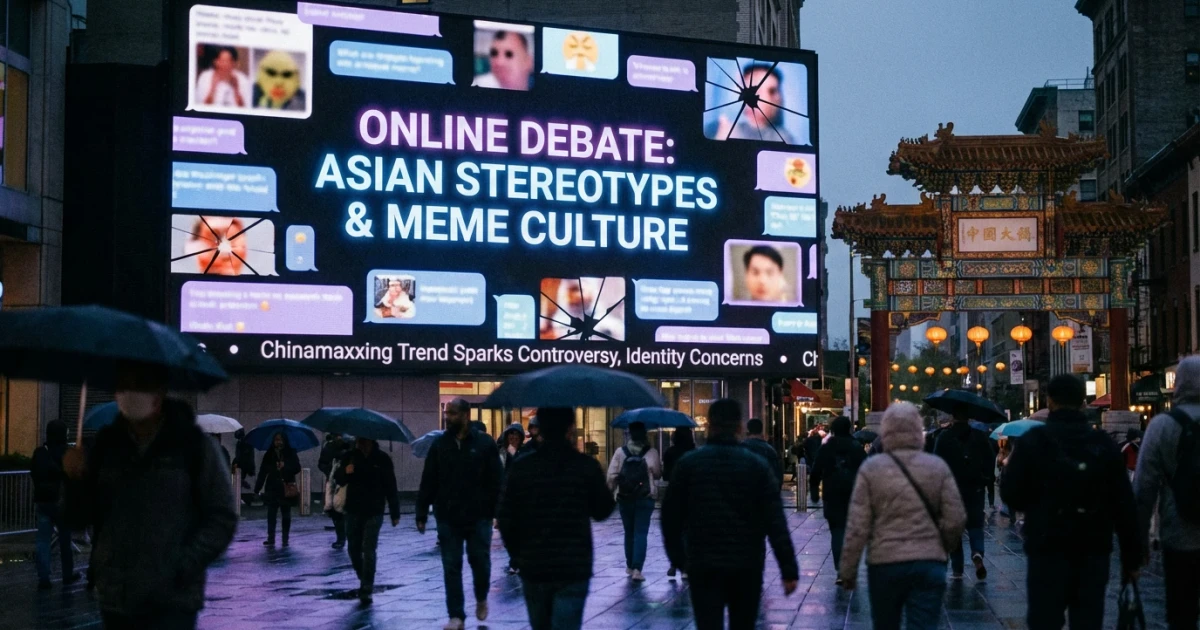
Online memes have long shaped cultural conversations. The latest internet trend, dubbed Chinamaxxing, is prompting renewed debate over how digital humor influences perceptions of Asian Americans, with many describing the impact as 'jarring' and complex.
What Is Chinamaxxing?
The term ‘Chinamaxxing’ refers to a meme-driven phenomenon where online users, mainly on forums and social media, exaggerate or parody aspects of East Asian identity, appearance, or behavior. The Guardian reports that these memes often mix admiration, stereotype, and mockery, blending real cultural traits with exaggerated tropes. The content typically circulates on platforms such as Reddit and TikTok, where meme culture thrives and ideas spread rapidly.
Memes and Cultural Identity
According to academic research on memes as cultural artifacts, internet memes both reflect and shape collective attitudes. While some memes foster community and in-group solidarity, others perpetuate stereotypes or reinforce outsider perspectives. Chinamaxxing exemplifies this tension: for some, it is a lighthearted embrace of 'Asian cool'; for others, it is a reductionist caricature of complex identities.
The phenomenon also fits within a broader context of how memes function as shorthand for cultural exchange and, sometimes, misunderstanding. The Guardian notes that many Asian Americans report feeling 'othered' or flattened into a set of punchlines, rather than seen as individuals with diverse backgrounds.
Asian American Experiences with Stereotyping and Discrimination
Survey data from the Pew Research Center shows that a majority of Asian Americans have faced discrimination or negative stereotyping in the United States. Many respondents cited being the target of jokes or assumptions based on their ethnicity, with younger Asian Americans reporting higher rates of meme-driven or online stereotyping.
- About 63% of Asian American adults say people have made jokes or racist remarks about them, often referencing stereotypes seen in memes.
- Nearly one in five Asian Americans report being told they 'don’t really belong' in the US, a sentiment sometimes echoed in meme culture.
- Younger generations are more likely to encounter these stereotypes online, where meme trends spread quickly.
These experiences are part of a larger pattern, as shown in statistical analyses of Asian American demographics and social trends. Despite high levels of education and economic participation, Asian Americans remain vulnerable to being defined by narrow stereotypes—now amplified by viral memes.
From Humor to Harm: When Memes Cross the Line
The boundary between satire and harm is often blurry online. The United Nations’ guidance on hate speech acknowledges that even seemingly playful memes can reinforce cultural prejudice, especially when they are repeated widely. While not all Chinamaxxing memes are overtly malicious, their cumulative effect can entrench negative perceptions or alienate people from their own heritage.
The Guardian’s coverage highlights that some Asian Americans feel empowered by reclaiming or subverting these memes, but others experience discomfort, noting the "jarring effect" of seeing their culture reduced to an internet punchline. The diversity of reactions underscores the complexity of digital identity in a meme-saturated age.
Looking Ahead: Navigating Meme Culture and Representation
As internet memes continue to influence public discourse, the debate around Chinamaxxing may set precedents for how digital communities address cultural representation. Experts suggest that greater media literacy and open dialogue can help distinguish between appreciation and appropriation, reducing the risk of stereotypes becoming normalized.
Ultimately, the conversation around Chinamaxxing reveals deep questions about the intersection of humor, identity, and power online. As meme culture evolves, so too will the ways communities respond—balancing creativity with respect for the complexity of lived experiences.