Technology
iPhone Satellite SOS Helps Skiers Survive Avalanche
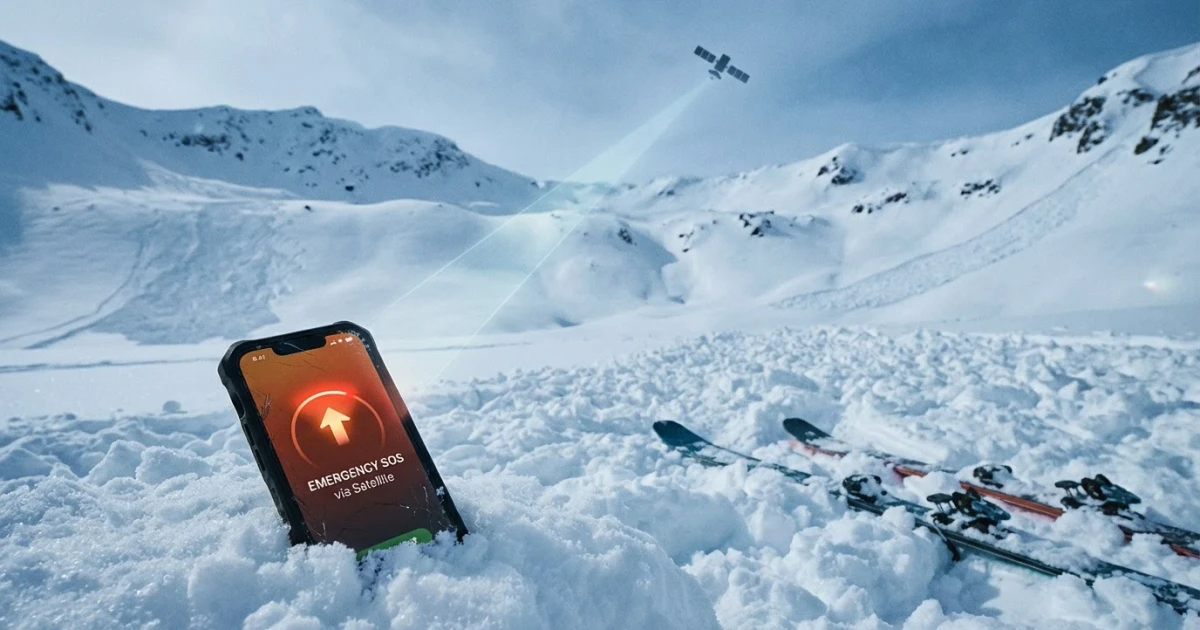
Two skiers trapped by an avalanche in a remote mountain area were able to summon help using their iPhone's satellite-powered Emergency SOS feature, marking a significant moment in avalanche rescue technology, The New York Times reported. The incident underscores the growing role of satellite communication in improving backcountry safety and survival rates.
Emergency Unfolds in Remote Terrain
The two skiers, navigating an off-trail route in a mountainous region, were caught in an avalanche that left them partially buried and out of reach of conventional cell service. According to The New York Times, the pair quickly realized their situation was dire: their phones displayed no cellular signal, traditional calls and texts were impossible, and the temperature was dropping fast.
With no way to reach 911 via regular means, one skier activated the Emergency SOS via satellite feature on their iPhone. This function, introduced by Apple in recent models, allows users to connect with emergency services even when outside cellular or Wi-Fi coverage by linking directly to satellites overhead.
How Satellite SOS Works in the Backcountry
The Emergency SOS feature guides users to point their phone toward the sky for the strongest signal and answers a series of on-screen prompts to relay critical information. Once connected, a text-based message is sent to emergency responders, including GPS coordinates and a summary of the situation.
- Direct satellite link: Enables contact with emergency services from remote locations.
- Automated information gathering: Prompts users to provide details on injuries, situation, and location.
- Location sharing: Transmits GPS coordinates to rescuers, reducing search time.
More details on the system’s operation and coverage areas are available through Apple’s official Emergency SOS explainer.
Rescue Operation and Outcome
Once the distress signal was received, local search and rescue teams were able to pinpoint the skiers’ location using the transmitted GPS data. According to The New York Times, responders arrived within hours, locating and extracting both individuals safely. The relatively rapid rescue was credited to the clear communication and precise coordinates delivered via satellite.
Growing Importance of Technology in Avalanche Safety
This incident highlights a broader trend in avalanche rescue, where satellite communication is becoming a valuable supplement to traditional safety equipment like avalanche beacons and probes. For years, annual statistics from NOAA have shown that backcountry avalanches claim dozens of lives in the U.S. each year, often because victims cannot contact help quickly enough. The CDC’s avalanche safety facts emphasize timely rescue as a critical factor in survival rates.
Apple’s Emergency SOS joins a range of technologies—including personal locator beacons and satellite messengers—aimed at improving outcomes in remote emergencies. The official 911.gov page on emergency wireless services notes the growing adoption of satellite communication by public safety agencies and device manufacturers.
Looking Forward: Technology and Preparedness
While satellite SOS features can be lifesaving, avalanche experts caution that they are not a replacement for proper training and preparation. The New York Times story, echoed by avalanche safety organizations, urges all backcountry travelers to carry traditional rescue gear, check avalanche forecasts, and travel with experienced partners.
This avalanche rescue demonstrates how advanced technology is reshaping emergency response in the outdoors. As devices like the iPhone expand satellite capabilities, more outdoor enthusiasts will have a safety lifeline—provided they know how to use it and remain vigilant about avalanche risk.