World
Iran Accuses U.S. of Ceasefire Breach Amid Tense Negotiations
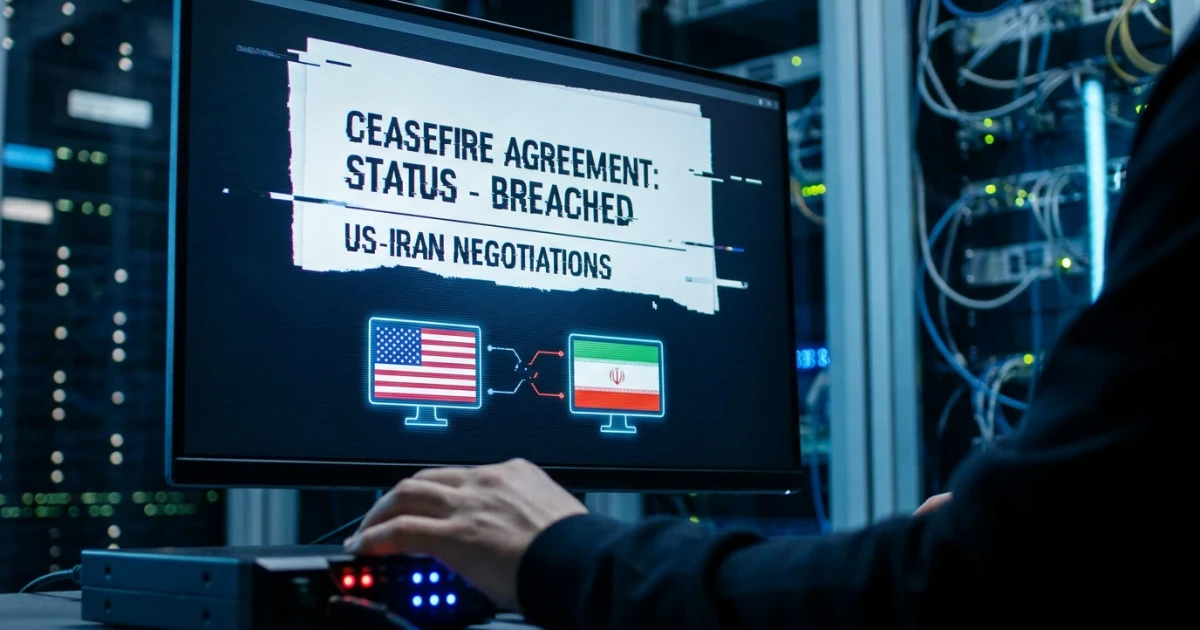
Iran has accused the United States of committing a “grave violation” of an agreed ceasefire, escalating tensions just as the Trump administration reiterates its demand for a “good deal or no deal.” The dispute highlights persistent challenges in diplomatic relations and raises questions about future negotiations between the two nations.
Ceasefire Dispute Sparks Diplomatic Strain
The accusation from Tehran comes at a critical juncture, with Iranian officials charging that the U.S. failed to uphold its obligations under the current ceasefire arrangement. According to CBS News, the Iranian government publicly denounced what it described as a serious breach, intensifying pressure on the U.S. to respond.
Iran’s statement is part of a broader pattern of contentious interactions, where both sides frequently claim violations and counter-accusations. For readers seeking more context on ceasefire agreements and their enforcement, the UN Security Council Sanctions Information resource provides official records and documentation of such agreements.
Trump Administration’s Stance: “Good Deal or No Deal”
As diplomatic channels remain strained, former President Donald Trump has made clear that the U.S. will only engage in negotiations if the terms are favorable. The CBS News coverage notes Trump’s approach: rather than reacting strongly to Iran’s ceasefire claims, his administration maintains a firm posture, insisting on a robust deal or none at all.
This echoes longstanding U.S. policy, emphasizing that any agreement must address both nuclear proliferation and regional security concerns. For a detailed look at the historical context of U.S.-Iran nuclear negotiations and policy, the Congressional Research Service: Iran Nuclear Agreement and U.S. Policy offers in-depth analysis and official records.
Patterns of Ceasefire Violations and Diplomatic Responses
- Iranian accusations of U.S. violations are not new, forming a consistent narrative in regional disputes.
- The U.S. has often countered by highlighting Iranian actions that undermine ceasefire stability, according to official records.
- International monitoring bodies, such as the UN Security Council, play a key role in verifying compliance and documenting infractions (see resolutions adopted in 2023).
For readers wanting to track the timeline and specific instances of Iranian nuclear developments, Iran Watch’s nuclear program timeline offers comprehensive data and analysis.
What’s Next for U.S.-Iran Diplomacy?
As both nations stand firm on their positions, prospects for renewed talks appear uncertain. The U.S. position, as reported by CBS News, is likely to remain unchanged unless Iran shows willingness to comply with existing agreements and address broader concerns. Meanwhile, Iran’s public accusation signals a readiness to challenge the U.S. diplomatically and in the international arena.
Analysts note that the outcome of these tensions will depend on external mediation and verification, particularly from UN bodies. For an accessible explainer on the technical terms and background of the Iran nuclear deal, readers can consult the Council on Foreign Relations explainer.
In summary, the latest round of accusations and firm diplomatic posturing underscores the difficulties in achieving lasting peace and agreement between Iran and the United States. As both sides dig in, international observers will watch closely for signs of compromise or escalation.