World
Iran Accuses US of Launching Attacks from UAE Bases
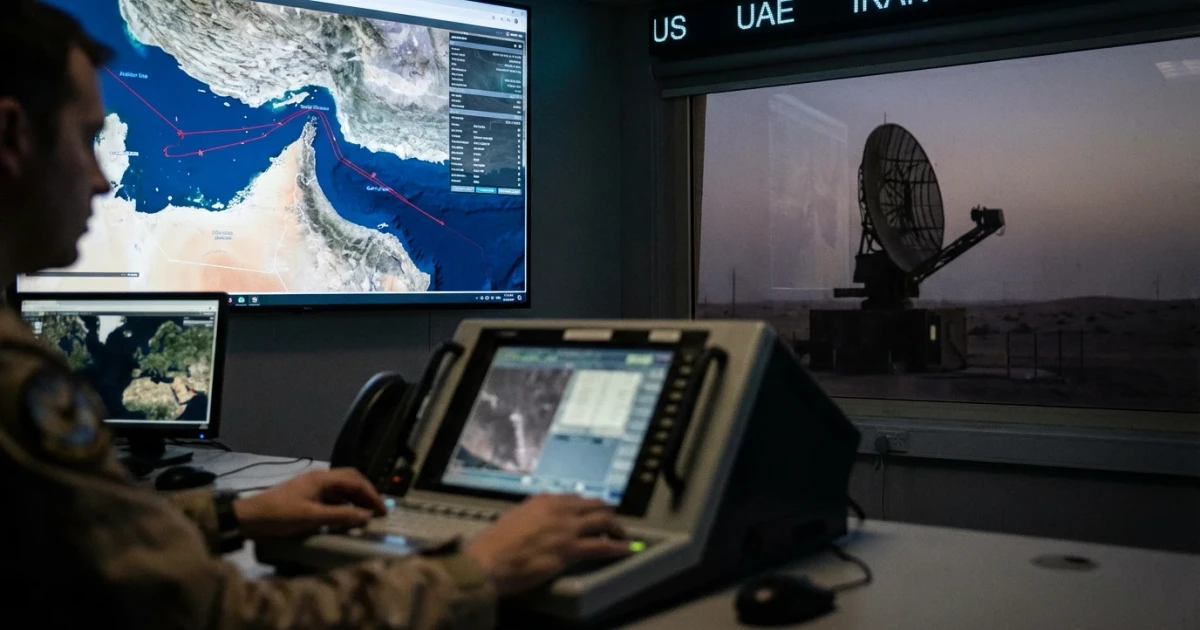
Tensions in the Middle East escalated this week as Iran publicly accused the United States of launching military attacks from bases in the United Arab Emirates (UAE), marking a new phase in the ongoing conflict that has now entered its third week. The claims, reported by AP News, come amid continued hostilities and growing international concern over the security of the region’s vital energy corridors.
Iran’s Allegations and Regional Impact
The Iranian government asserted that recent US military operations targeting Iranian territory were staged from the UAE, a key American partner in the Gulf. While the US military has maintained a longstanding presence at several military facilities across the UAE, this is the first time in the current conflict that Tehran has directly accused the UAE of facilitating attacks against it.
The accusations have heightened diplomatic tensions between Iran, the US, and Gulf Arab states. Iranian officials indicated the possibility of retaliatory measures, further raising the stakes in a conflict that has already strained fragile alliances in the region.
US Military Operations in the UAE
The United States maintains several key air and naval facilities in the UAE, including Al Dhafra Air Base and port access in Jebel Ali. According to detailed records, these bases serve as strategic hubs for operations across the Middle East. Official statements from US Central Command have confirmed increased activity in the region since the conflict began, though there has been no direct confirmation of the specific operations referenced by Tehran.
The Congressional Research Service notes that the US presence in the UAE provides critical support for intelligence, logistics, and rapid deployment capabilities throughout the Gulf. This has made the UAE a central player in both the defense architecture of the region and the current military escalation with Iran. For a comprehensive overview, readers can consult the CRS analysis of US military deployments in the Middle East.
Strait of Hormuz and Global Energy Concerns
One of the most significant flashpoints in the conflict remains the Strait of Hormuz, a critical waterway for global oil trade. Iran has repeatedly threatened to block or disrupt traffic through the strait, which sees approximately 20% of the world’s petroleum liquids transiting daily. Any military escalation in the area poses risks to energy markets and global economic stability. The US and its allies have emphasized the importance of keeping the waterway open, citing both economic and security imperatives.
Sanctions, Diplomacy, and International Reactions
As the war continues, international bodies such as the UN Security Council have monitored developments and reviewed reports on Iran’s military activities and compliance with ongoing sanctions. The escalating conflict has complicated diplomatic efforts, making negotiations over Iran’s nuclear program and broader regional security more challenging.
- Iran’s claims against the UAE highlight the complex web of alliances and enmities in the Gulf.
- The US continues to rely on its regional bases for power projection and logistics.
- The Strait of Hormuz remains a critical chokepoint for global energy supplies, drawing worldwide attention to the conflict’s outcome.
Looking Ahead
With both sides showing little sign of backing down, analysts warn that the risk of a broader regional conflict remains high. The possibility of Iranian retaliation against UAE interests, or further escalation involving other Gulf states, cannot be ruled out. As the situation evolves, observers recommend following updates from official US Central Command releases and international monitors for the latest developments.
The coming weeks will test the resilience of diplomatic channels and the readiness of regional actors to de-escalate tensions. For the millions living near the conflict zone, as well as for global energy markets, the stakes could not be higher.