World
Iran Affirms Passage for Non-Hostile Ships in Strait of Hormuz
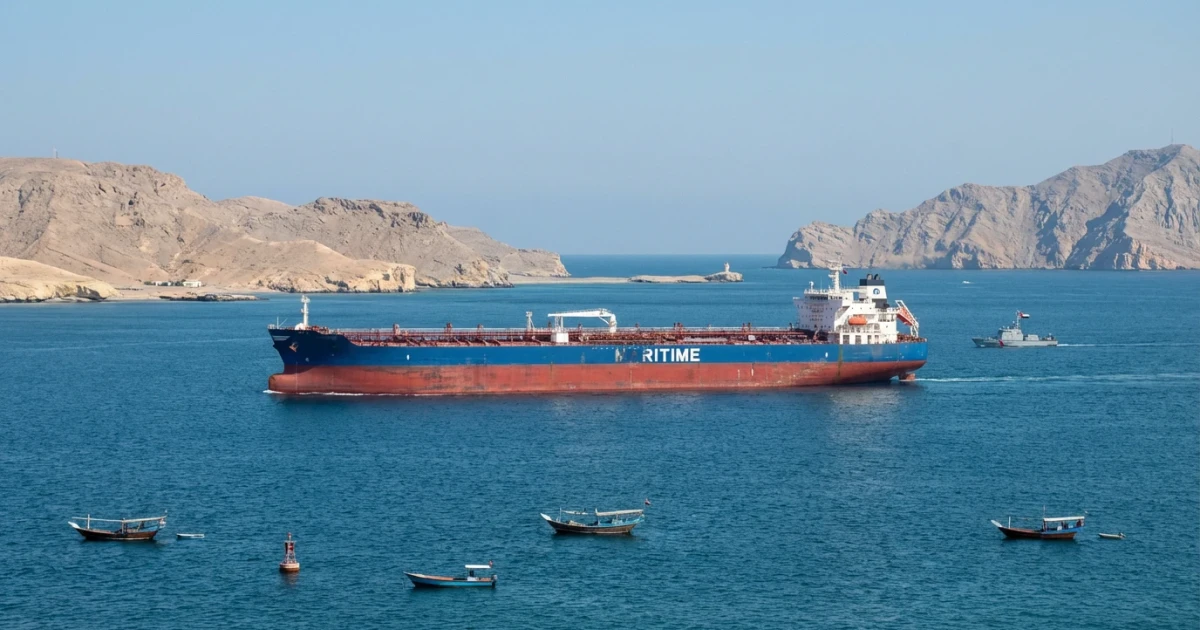
Iran has announced that it will allow 'non-hostile' vessels to continue passing through the Strait of Hormuz, reaffirming the waterway’s crucial role in international maritime commerce amid ongoing regional tensions.
Strategic Importance of the Strait
The Strait of Hormuz is recognized as one of the world’s most vital maritime chokepoints. According to the U.S. Energy Information Administration, around one-fifth of global oil supply—nearly 21 million barrels per day—transits this narrow passage, linking energy-rich Gulf states with international markets. The route is equally important for liquefied natural gas and commercial goods, as shown in UNCTAD’s maritime trade statistics.
Iran’s Statement and Regional Context
As reported by The New York Times, Iranian officials stated that the country will permit all 'non-hostile' ships—those not perceived as a threat to Iranian security or sovereignty—to pass through the strait. This assurance comes amid heightened scrutiny of transit rights and regional security, with particular attention from energy importers and maritime operators.
Iran’s announcement is seen as a signal to the international community, emphasizing its intent to abide by established norms while reserving the right to respond to perceived threats. The definition of 'non-hostile' was not detailed, leaving some ambiguity around which vessels might face scrutiny.
International Law and Shipping Rights
Passage through the Strait of Hormuz is governed by international law, including the right of transit passage codified in the United Nations Convention on the Law of the Sea. The International Maritime Organization also sets standards and guidelines for maritime security in such key waterways. While Iran is not a party to UNCLOS, it has generally recognized the strategic value of maintaining open shipping lanes for global commerce.
Potential Impact on Global Shipping and Energy Markets
- Roughly 21 million barrels of oil per day transit the strait, accounting for about 21% of global petroleum liquids consumption (EIA analysis).
- Global seaborne trade volumes, including energy and container shipments, are heavily dependent on safe passage through Hormuz (UNCTAD data).
- The strait’s narrowest point is only about 21 miles wide, making it particularly sensitive to security threats (CIA World Factbook).
Markets and shipping companies are expected to closely monitor Iran’s interpretation of 'non-hostile' status and its implementation. Past incidents in the region, including ship seizures and confrontations, have led to volatility in oil prices and raised concerns about supply disruptions. For now, Iran’s statement provides reassurance that energy and commercial traffic can continue, but also underscores the fragility of maritime security in the region.
Looking Ahead
Iran’s reaffirmation of passage rights for non-hostile vessels may help stabilize market sentiment and maintain the steady flow of energy resources. However, the ongoing ambiguity around 'hostile' designations and the security environment in the Persian Gulf mean that the situation remains dynamic. Maritime operators, regional governments, and international organizations will likely continue to seek clarity and guarantees to ensure safe passage through this strategic chokepoint.