World
Iran and Oman weigh maritime fees for Strait of Hormuz shipping
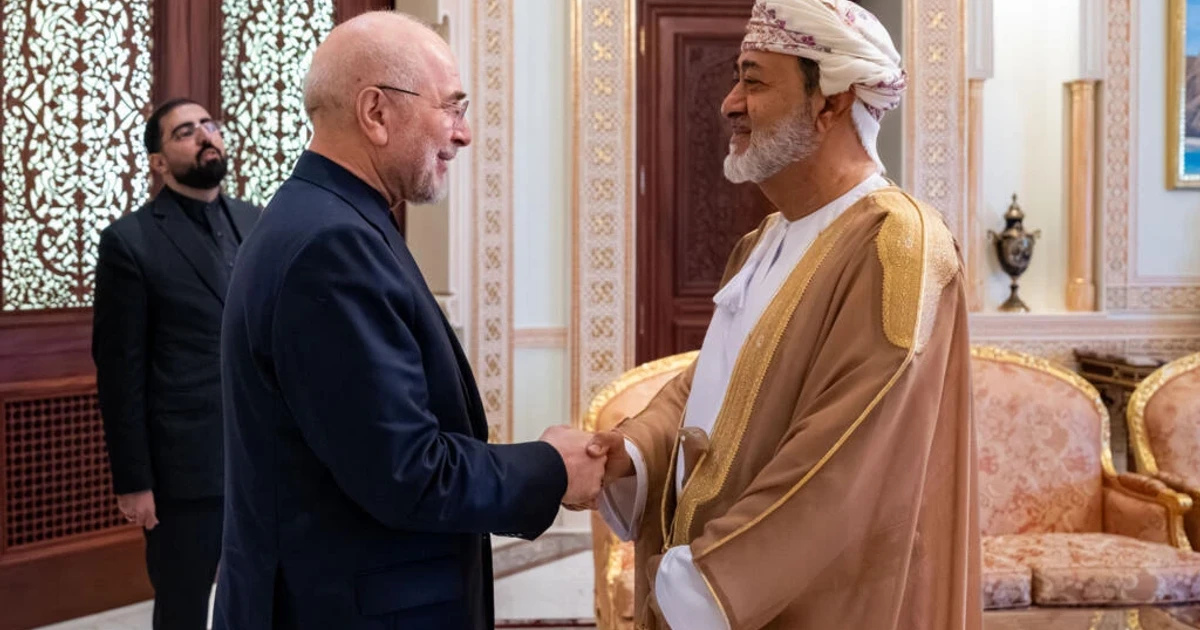
Iranian and Omani officials met in Muscat on June 23 to discuss a possible payment system for ships crossing the Strait of Hormuz, a waterway that carried about 20 million barrels a day of oil in 2024.
The proposal grew out of a ceasefire framework that gave commercial ships 60 days of toll-free passage. Iran’s foreign minister, Abbas Araghchi, and Mohammad Bagher Ghalibaf, the parliament speaker and chief negotiator, met Omani leaders in the Omani capital as the two governments continued the talks through a joint foreign-ministry working group.
Omani Foreign Minister Badr Albusaidi wrote on X that both sides were committed to “toll-free safe passage,” even as the joint statement left room for further talks on navigation, fees and how any costs would be handled. Iranian and Omani officials called the idea a charge for services, not a transit toll, and the working group would study what could be billed, on what international-law basis and under what administrative structure.
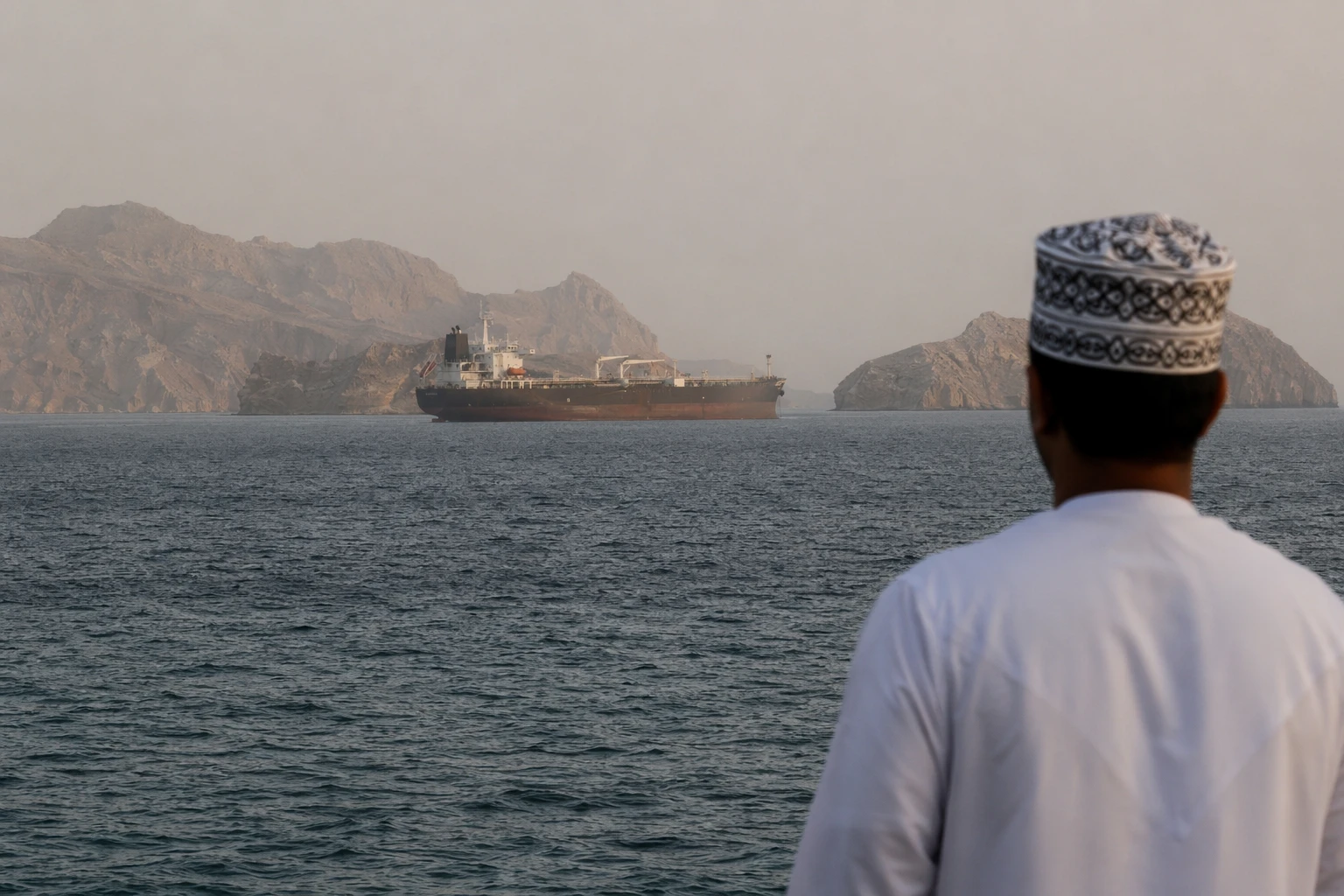
The U.S. Energy Information Administration puts the strait at roughly one-quarter of global seaborne oil trade, and about one-fifth of global liquefied natural gas trade also moves through the passage, mostly from Qatar. UN Trade and Development warns that disruptions in Hormuz can spread through energy markets, fertilizers, shipping networks and vulnerable economies far beyond the Gulf.
Traffic through the strait has already shifted since the ceasefire. A recent CNBC snapshot showed 13 commercial ships, including six tankers, transiting the waterway on one day, compared with more than 100 vessels daily before the war. The Washington position was that there had been no tolls before the conflict and that access should stay toll-free, while U.S. officials warned that Iran would likely press its claims aggressively in any regional talks.
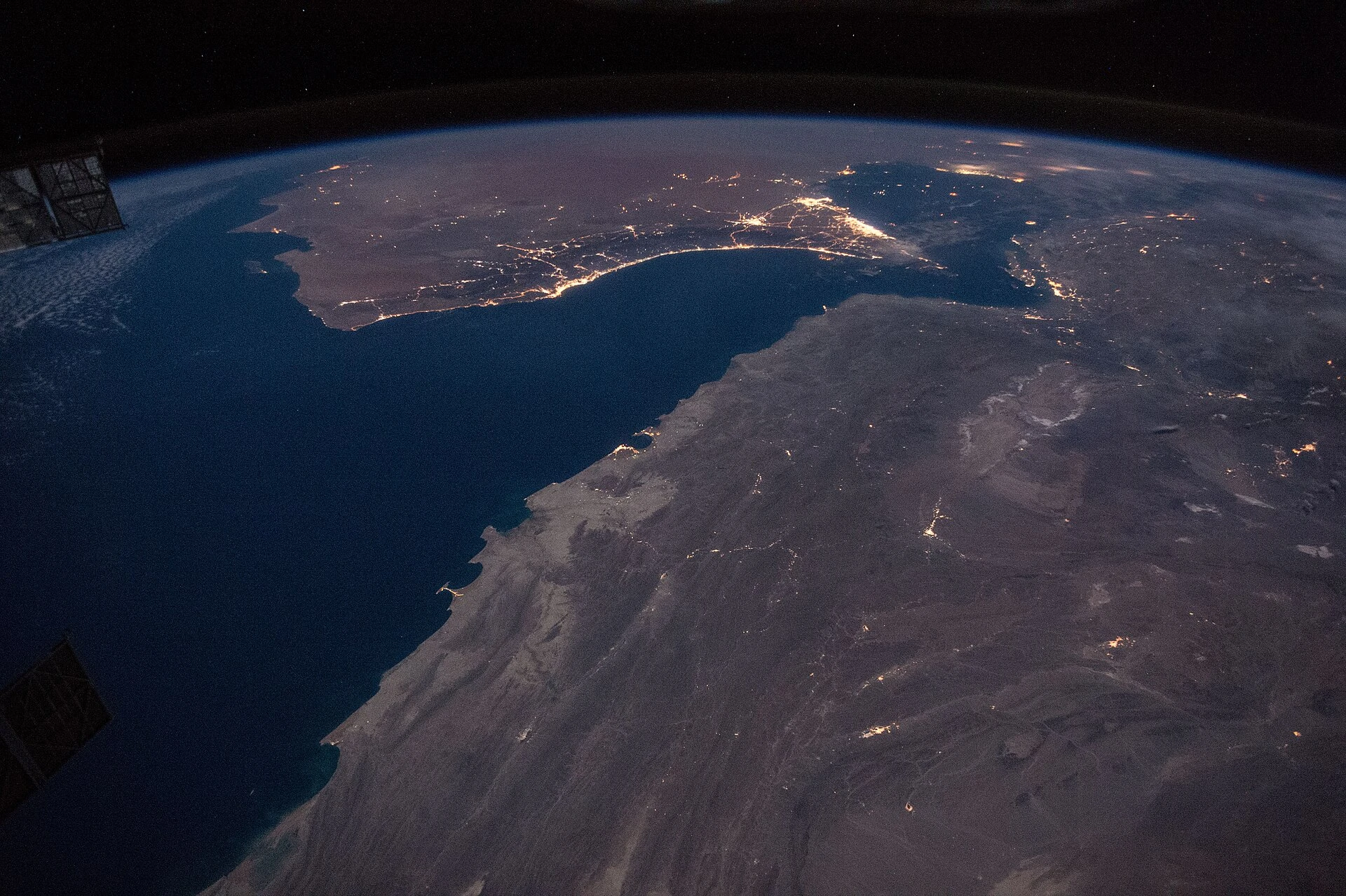
The Oman-backed compromise was voluntary and modeled on the Strait of Malacca system.
Sources
- [1]nytimes.com
- [2]reuters.com
- [3]france24.com
- [4]cnbc.com
- [5]eia.gov
- [6]unctad.org
- [7]telegraph.co.uk