World
Iran and Ukraine wars expose limits of military force
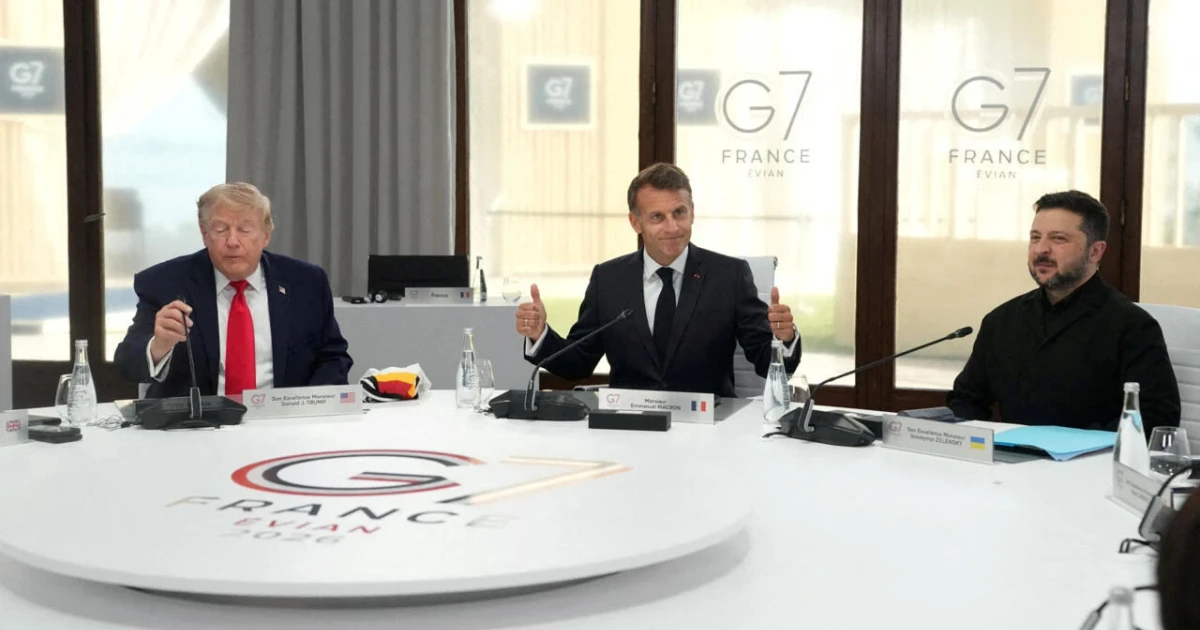
The same leaders who reached for military force as leverage are now confronting its limits. Donald Trump has swung between disengagement and renewed pressure on Iran, while Vladimir Putin has shown little appetite for a compromise in Ukraine, even as the war grinds on with shrinking gains and heavy losses.
Trump’s Iran reversals
At the G7 summit in France on June 16, Trump said Iran was moving into the “rearview mirror,” then told reporters he would do “whatever I can” to help end the war in Ukraine. He also met Volodymyr Zelenskyy on the sidelines of the summit, a reminder that his approach to two very different wars was already split between withdrawal in one theater and intervention in another.
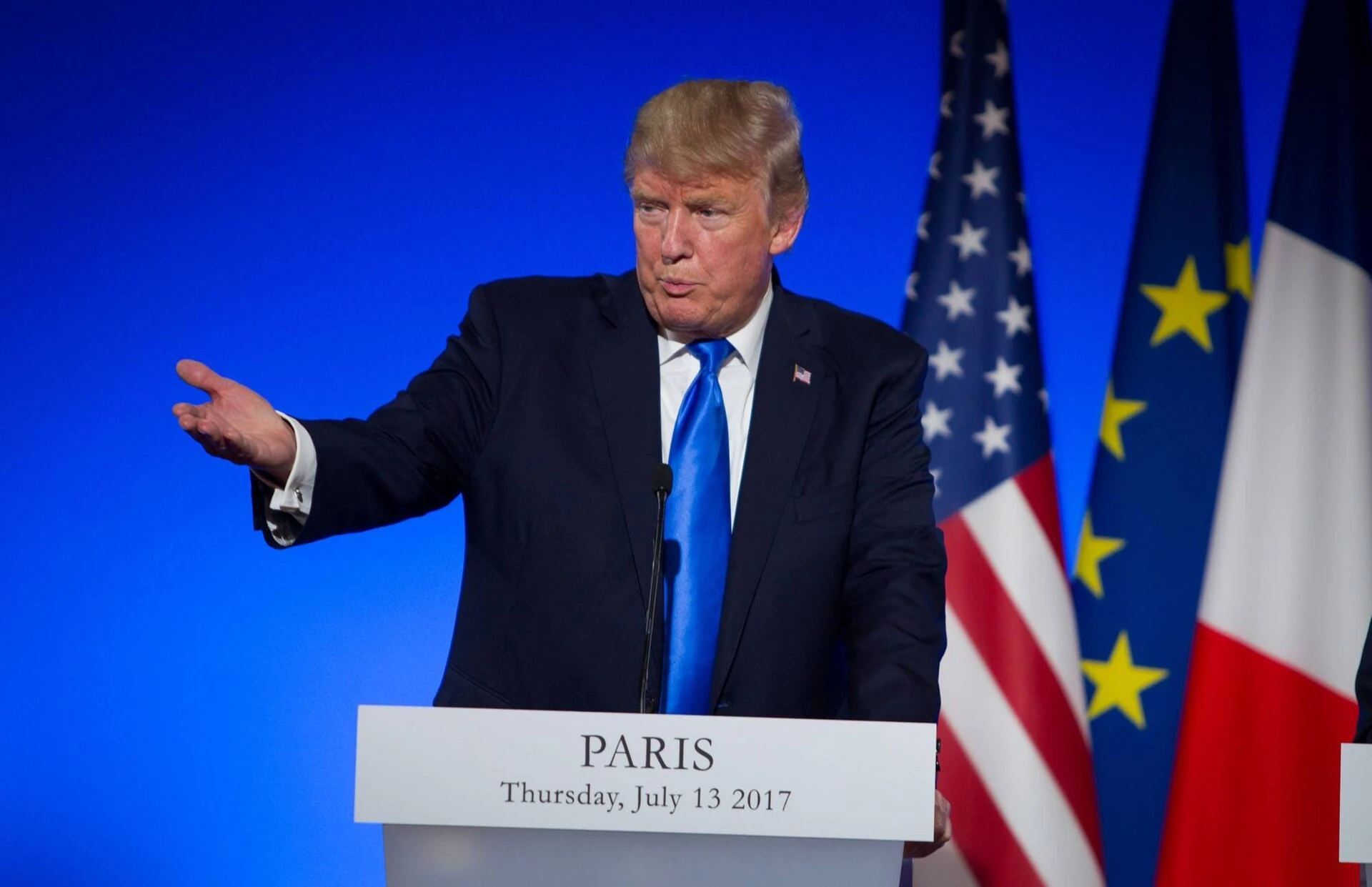
That balance did not hold for long. By July 8, after renewed fighting, Trump declared the U.S.-Iran ceasefire “OVER.” Two days later he repeated that the ceasefire was “OVER,” while saying diplomatic talks could still continue. He also threatened to reimpose a naval blockade in the Strait of Hormuz, signaling that the United States could move back toward escalation just as quickly as it had signaled restraint.
The latest turn came on July 12, when Reuters reported new U.S. strikes on Iran after an attack on a container ship, while Tehran again said it had closed the Strait of Hormuz. The sequence shows how quickly a claimed exit can unravel once maritime attacks, retaliation, and threats to a vital shipping lane push the conflict back toward force.
Putin’s refusal to bargain
Putin’s trap looks different. Reuters reported on July 9 that he was rejecting calls to negotiate peace with Kyiv and was likely to escalate the war instead. People close to the Kremlin said Ukraine’s drone strikes on Russian oil refineries and ports had strengthened his resolve to keep fighting, not weaken it.
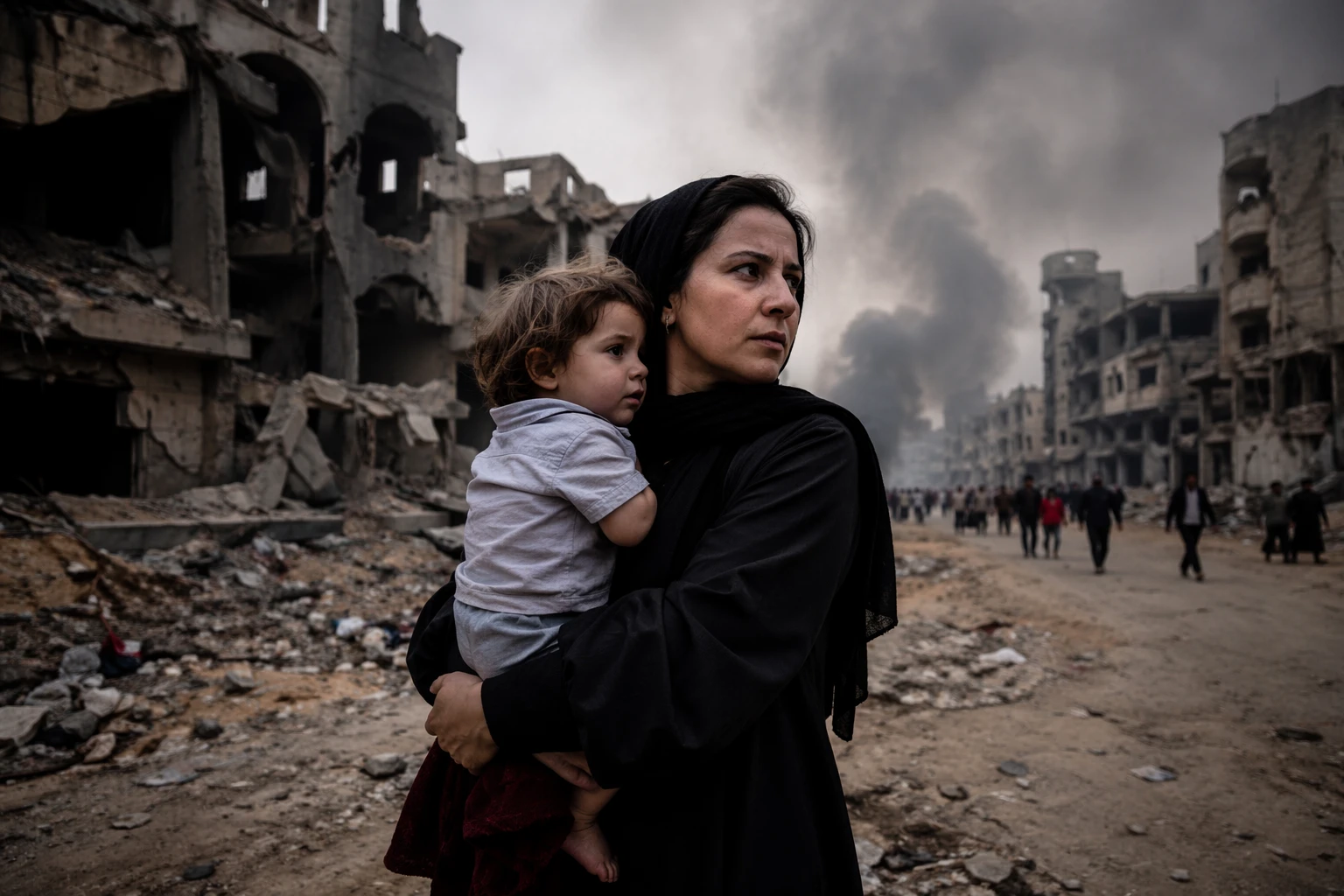
That is the logic of a leader who has tied the war to resolve, status, and domestic control. A ceasefire that appears to freeze lines without producing a political gain is not attractive to the Kremlin if the battlefield can still be used to signal endurance. In that sense, the drone campaign against Russian infrastructure may be sharpening the very hard line it was meant to soften.
Trump and Putin are not stuck in the same way, but both are discovering that military pressure does not translate neatly into political control. Trump can pivot rapidly, yet that volatility creates uncertainty for allies and adversaries alike. Putin can hold a rigid position, yet that rigidity narrows the room for negotiation and makes escalation the path of least resistance.
What the Ukraine battlefield says
The war in Ukraine is now well into its fifth year, and the battlefield has become a poor instrument for producing decisive political outcomes. Ukrainian officials and outside analysts say Russian forces have made only slow tactical gains in parts of Donetsk Oblast, especially near Kostyantynivka. The pattern points to movement without breakthrough, a war of attrition rather than a war of decision.
The pace has also been slipping. One analysis found that Russia seized or infiltrated 622.60 square kilometers in the first six months of 2026, compared with 2,189.87 square kilometers in the same period of 2025. That steep drop in territorial gain suggests that even continued pressure is buying less ground than it did a year earlier.
The cost remains severe. Ukraine estimated Russian casualties in June 2026 at 39,490. Combined with the slower advance, that figure helps explain why the war can continue without offering a clean path to victory for either side: the force being applied is still lethal, but it is not producing a settlement that ends the fighting.
Why exits are harder than starts
Wars often begin with a theory of leverage. Leaders assume strikes, threats, and battlefield momentum will force the other side to bend. What the Iran and Ukraine crises show is that once force starts moving, it creates its own political traps: retaliatory cycles, domestic expectations, and military commitments that are harder to unwind than they were to launch.
Trump’s version of the trap is volatility. He can say Iran is in the “rearview mirror” one week and speak of renewed military pressure the next. That gives him room to improvise, but it also makes diplomacy unstable because partners cannot tell whether he is setting up a deal, a threat, or a retreat.
Putin’s trap is rigidity. By rejecting negotiations and leaning toward escalation, he signals strength, but he also binds himself more tightly to a war whose battlefield returns are shrinking. A leader who cannot afford to look weak can end up with fewer ways out than a leader who changes course too often.
The two wars now expose the same basic limit in different political systems. Democracies can become stuck in reversals that undercut strategy. Autocracies can become stuck in consistency that hardens into deadlock. In both cases, the military tool remains available long after it has stopped delivering the political result that justified its use.
Sources
- [1]nytimes.com
- [2]politomix.com
- [3]usnews.com
- [4]cnbc.com
- [5]msn.com
- [6]criticalthreats.org
- [7]aljazeera.com
- [8]channelnewsasia.com