World
Iran and U.S. trade strikes after attacks in Strait of Hormuz
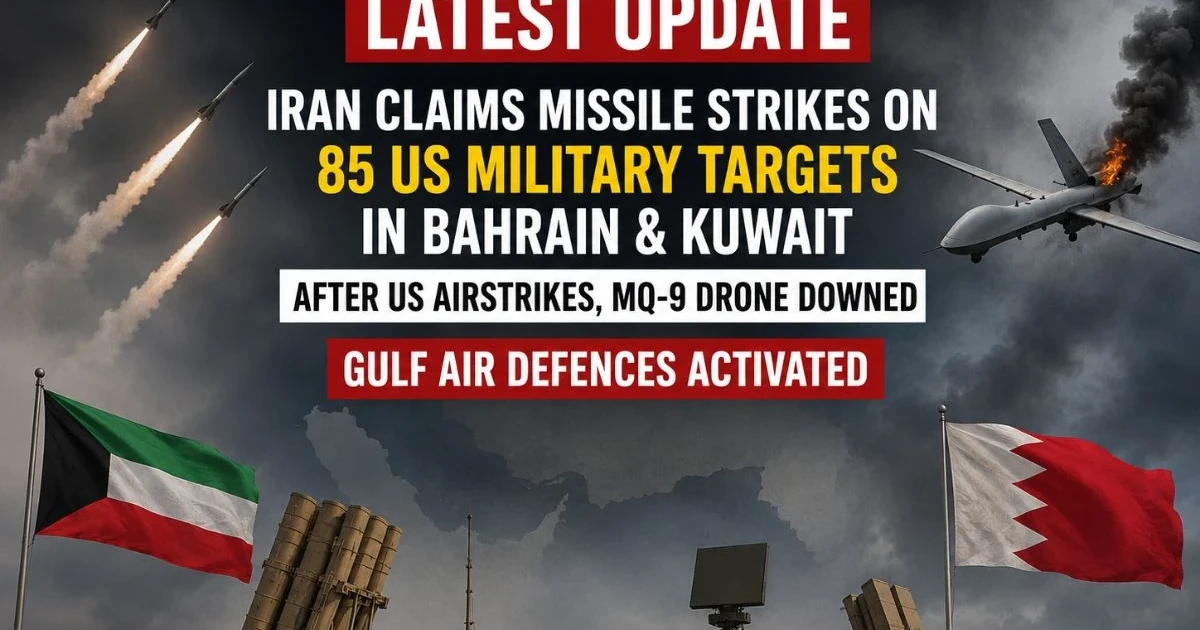
The U.S. military struck Iranian military targets in or near the Strait of Hormuz after renewed attacks on commercial ships set off a new round of retaliation across the Gulf. Iran’s armed forces then said they targeted 85 U.S. military sites in Bahrain and Kuwait, widening the confrontation beyond the waterway that carries one of the world’s most important energy flows.
Kuwait publicly condemned the Iranian attacks and said they violated its sovereignty, while reports from Bahrain and Kuwait described air-raid sirens and air-defense interceptions. The exchange underscored how quickly the fighting moved from maritime targets to U.S. exposure on land, raising the risk of a broader regional clash that could draw in American personnel, Gulf monarchies and commercial shipping lanes at the same time.
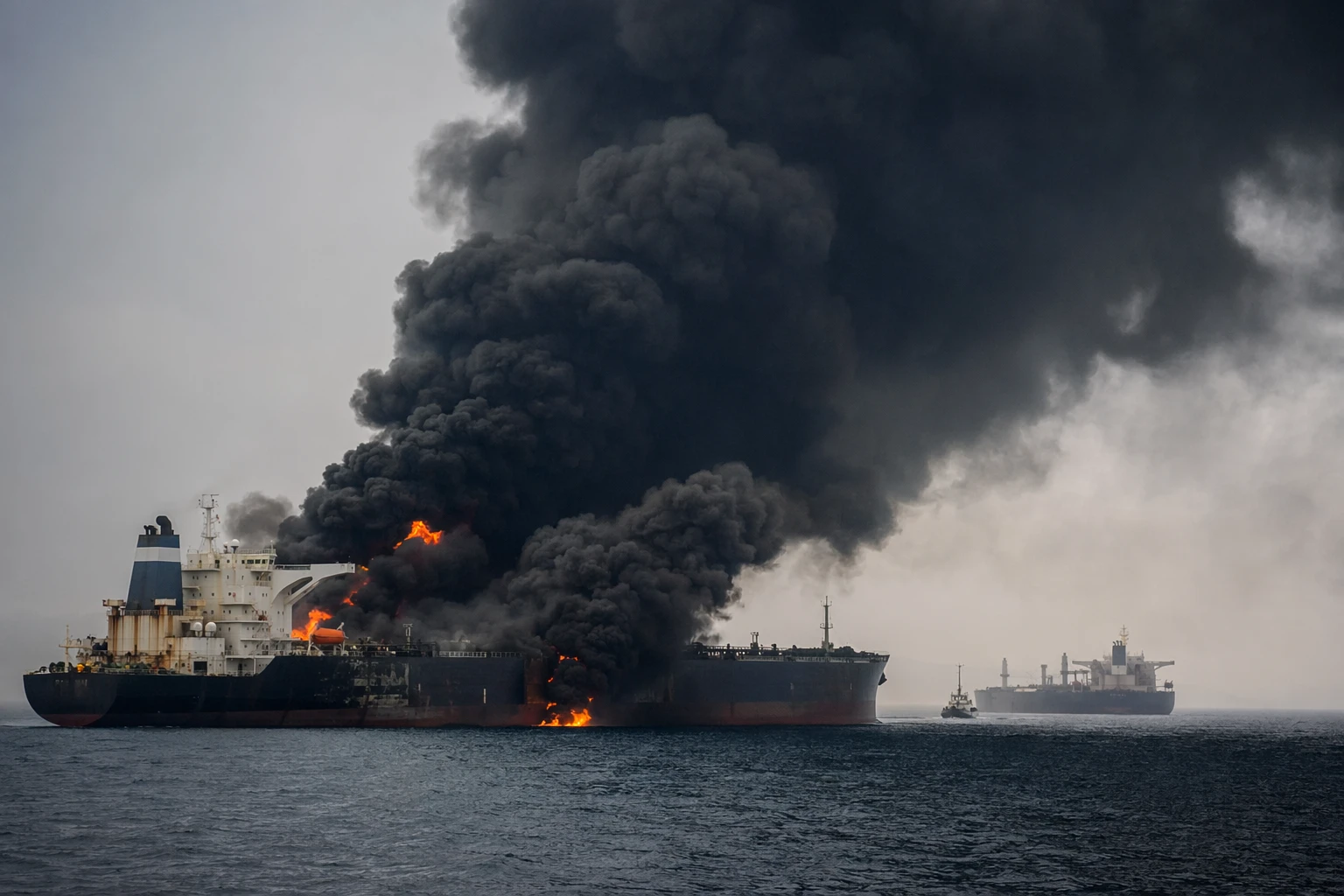
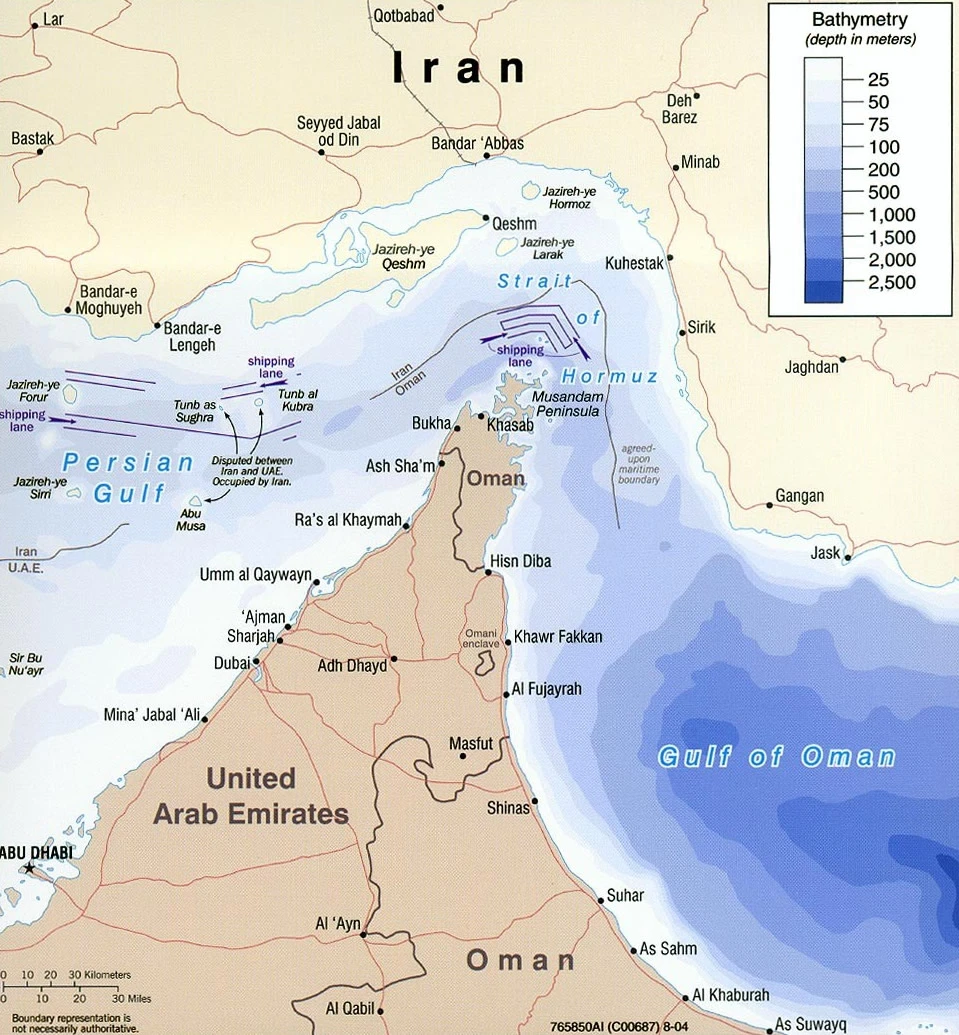
The Strait of Hormuz is the most sensitive chokepoint in global energy markets. The U.S. Energy Information Administration says roughly 20 million barrels of oil a day, about one-fifth of global petroleum liquids consumption, pass through the strait, along with about one-fifth of global LNG trade. The International Energy Agency says it is the primary export route for oil from Saudi Arabia, the United Arab Emirates, Kuwait, Qatar, Iraq, Bahrain and Iran, making any disruption immediately relevant to oil prices, gas supplies and the countries in Asia that depend on Gulf exports.
The latest flare-up also hit after weeks of intensified Gulf diplomacy. On June 25, Secretary of State Marco Rubio met Gulf Cooperation Council ministers in Manama, where Washington said it reaffirmed its commitment to GCC security. In May, the United States and Gulf partners drafted a United Nations Security Council resolution aimed at defending freedom of navigation in the Strait of Hormuz and pressing Iran to halt attacks, mining and tolling. Those efforts now sit alongside a fast-moving military test of whether Gulf states and Washington can contain the conflict.
The broader war has already spread across the region. U.S. government documents describe Operation Epic Fury as beginning on February 28, and Defense Department fact sheets said more than 100 Iranian vessels had been damaged or destroyed by mid-March. The State Department said on March 1 that Iran had launched missile and drone attacks across Bahrain, Jordan, Kuwait, Qatar, Saudi Arabia and the United Arab Emirates. The new strikes showed that the Gulf remains the most likely arena for the next escalation, with shipping, U.S. troops and energy markets all now in play.
Sources
- [1]news.google.com
- [2]nytimes.com
- [3]eia.gov
- [4]iea.org
- [5]cnbc.com
- [6]state.gov
- [7]media.defense.gov