US News
Iran Answers Ceasefire Offer Amid Drone Attacks in Gulf
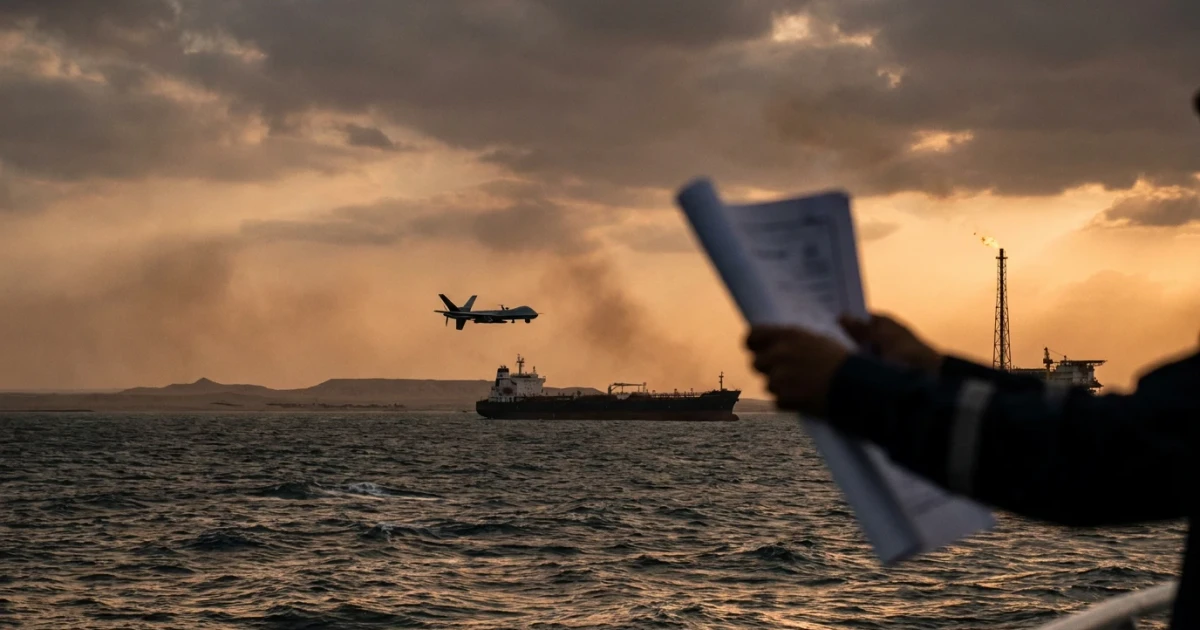
Iran has formally responded to a US-backed ceasefire proposal as ongoing drone attacks continue to impact Gulf nations, raising the stakes for peace efforts in the Middle East. The announcement comes during a period of heightened military activity and diplomatic negotiation, with regional powers and international observers closely monitoring developments.
Ceasefire Proposal and Iran's Response
Iran confirmed it has delivered its position on a ceasefire proposal put forward by the United States and mediated by Qatari officials, according to reporting from AP News. The proposal aims to halt the current cycle of violence that has affected multiple countries in the Gulf region. Details of Iran’s response remain undisclosed, but Iranian officials described their reply as a step toward ending hostilities. Qatari diplomatic channels have played a significant role in facilitating communication between Tehran and Washington, with updates confirming the exchange of responses in recent days.
While the content of Iran’s answer has not been released publicly, the timing is significant. The region is facing a surge in drone attacks targeting critical infrastructure and civilian areas, exacerbating humanitarian concerns and disrupting normal life in several Gulf states.
Escalation of Drone Strikes in the Gulf
As ceasefire negotiations unfold, Gulf nations report a spike in drone-based attacks attributed to Iranian-backed groups. These attacks have targeted oil facilities, ports, and other strategic sites. According to recent conflict event data, the frequency and sophistication of drone strikes have increased, with several incidents resulting in property damage and temporary shutdowns of critical operations.
- Multiple Gulf countries have raised their alert levels in response to the drone threat.
- Security analysts note a pattern linking the uptick in attacks to periods of diplomatic negotiation, suggesting attempts to gain leverage.
- Humanitarian agencies are tracking the impact on local populations, including displacement and disruption of essential services.
The United Nations and regional security experts have called for strict adherence to international arms embargoes and renewed efforts to de-escalate tensions, citing the risks posed by advanced drone technology in the hands of non-state actors.
Regional and International Reactions
The US, working closely with Gulf allies and Qatar, has emphasized the importance of a sustainable ceasefire. International observers, including the UN Security Council, are urging all parties to prioritize dialogue over further military escalation. The ongoing attacks have also prompted calls for renewed oversight of arms transfers and military assistance programs in the region to prevent further proliferation of drone capabilities.
Humanitarian organizations are warning of worsening conditions if attacks continue, referencing Middle East regional data to highlight increased displacement and infrastructure damage in affected areas.
Outlook for Ceasefire Talks
Despite the ongoing violence, the exchange of diplomatic messages signals a potential opening for negotiations. Analysts note that the involvement of Qatar as a mediator could enhance the prospects for progress, but caution that the situation remains fluid. The increased use of drones adds complexity to any agreement, as verification and enforcement become more challenging.
Looking ahead, regional stability will depend on the willingness of all parties to halt hostilities and engage in meaningful dialogue. The international community is expected to maintain pressure for a comprehensive agreement that addresses both immediate security concerns and underlying political disputes.
For readers seeking deeper context, resources like the Council on Foreign Relations military explainer and IAEA monitoring reports provide additional background on Iran’s military capabilities and nuclear oversight, both of which play roles in shaping regional power dynamics.
As the region awaits further developments, the world watches to see whether diplomatic channels can succeed in halting a dangerous cycle of conflict.