Mojtaba Khamenei Becomes Iran’s Supreme Leader After Father’s Death
Mojtaba Khamenei is named Iran’s new Supreme Leader following the assassination of his father, a move with major political implications.

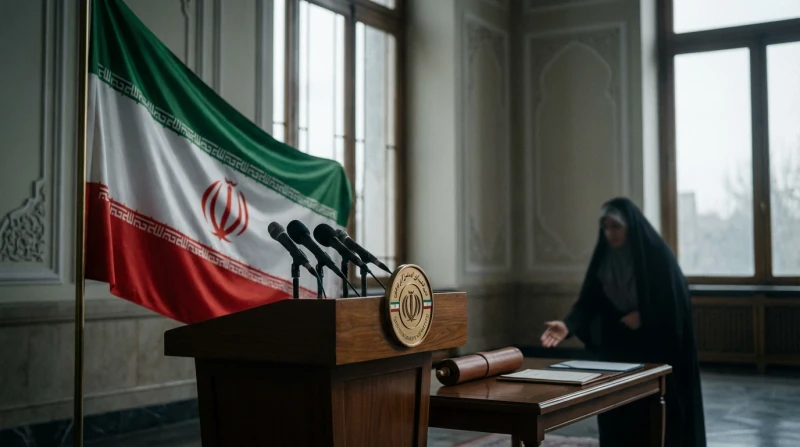
Mojtaba Khamenei, the son of Iran’s late supreme leader, has been appointed as the country’s new supreme leader following the assassination of his father, Ayatollah Ali Khamenei, according to AP News. The transition marks a rare and significant moment in Iran’s political history, with both domestic and international ramifications.
Succession Amid Crisis
The appointment comes just days after the shocking killing of Ayatollah Ali Khamenei, who served as Iran’s supreme leader for more than three decades. While the details surrounding the assassination remain under investigation, the country’s leadership moved swiftly to announce Mojtaba Khamenei as his successor, aiming to maintain stability at the highest echelons of power.
Who Is Mojtaba Khamenei?
Mojtaba Khamenei, who has long been a prominent but low-profile figure within Iran’s political and clerical elite, is now thrust into the spotlight. For years, analysts have speculated about his potential role in Iranian politics, given his close ties to the Islamic Revolutionary Guard Corps and his influence behind the scenes. His selection as supreme leader formalizes a dynastic succession unprecedented in the history of the Islamic Republic.
The Supreme Leader’s Role and Appointment
The supreme leader holds Iran’s highest authority, wielding sweeping powers over the military, judiciary, and major state institutions. According to the Constitution of the Islamic Republic of Iran, the supreme leader is selected by the Assembly of Experts, a clerical body tasked with overseeing leadership succession and ensuring the continuity of the Islamic Republic’s core values. The assembly’s role is particularly crucial during periods of abrupt leadership change.
The appointment of Mojtaba Khamenei by the Assembly of Experts signals both continuity and consolidation of power within the Khamenei family. This move departs from past practices, as previous supreme leaders were not direct descendants of their predecessors. For more context on the Assembly of Experts’ role and membership, readers can explore its official responsibilities and history.
Political and Regional Implications
- Domestic politics: The elevation of Mojtaba Khamenei may trigger debate within Iran’s clerical establishment and among reformist groups, some of whom have historically opposed hereditary succession.
- Regional dynamics: Iran’s leadership transition is being closely watched by neighboring countries and international observers, given the supreme leader’s central role in shaping foreign policy, especially regarding the nuclear program, regional alliances, and relations with the United States.
According to detailed analysis from the Brookings Institution, the succession process and its outcomes will be critical for understanding Iran’s future political direction, elite dynamics, and potential shifts in domestic or foreign policy.
What’s Next for Iran?
Mojtaba Khamenei’s appointment as supreme leader sets the stage for new developments in Iran’s political landscape. While the move may ensure short-term stability, it also raises questions about the concentration of power, public reaction, and the long-term legitimacy of hereditary succession in the Islamic Republic. How Mojtaba navigates the challenges ahead—including economic pressures, social unrest, and regional tensions—will shape both Iran’s future and its role on the world stage.

Mike Shaw
Veteran crime and justice reporter who has covered major trials, police investigations, and community safety issues for over fifteen years. Committed to holding power accountable while giving a voice to those affected.