World
Iran Asserts Control Over Strait of Hormuz Amid Rising Tensions
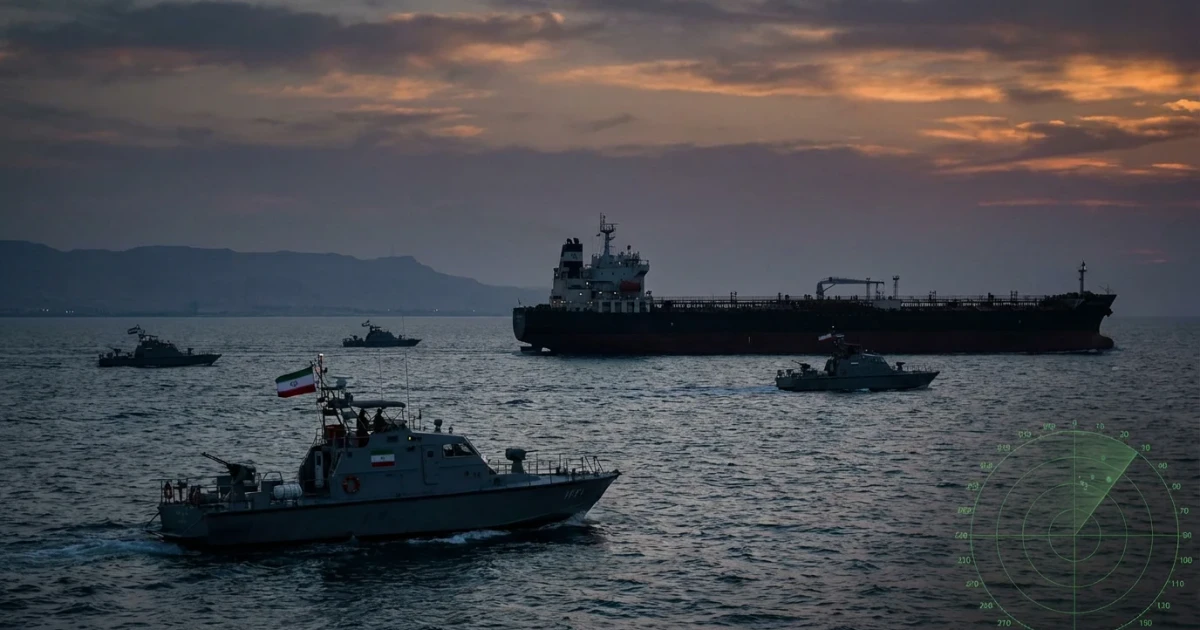
Iran has underscored its strategic leverage over the critical Strait of Hormuz following the breakdown of international peace talks, intensifying global concerns about energy security and regional stability.
Strategic Importance of the Strait
The Strait of Hormuz is widely recognized as one of the world's most vital maritime chokepoints. Connecting the Persian Gulf to the Gulf of Oman and the Arabian Sea, the strait sees the passage of roughly a fifth of globally traded crude oil each day, making it crucial to the international energy market. Disruptions in this narrow waterway have the potential to impact Brent crude oil prices and global economic stability.
Iran's Display of Power Follows Diplomatic Setback
Reporting by The Economic Times highlights that Iran has moved swiftly to showcase its control over shipping lanes in the Strait of Hormuz after the recent collapse of peace negotiations. While details of the failed talks remain limited, analysts agree that Tehran’s actions are intended as a demonstration of its ability to influence maritime transit and, by extension, the flow of oil to global markets.
- Roughly 21 million barrels of oil per day transited the strait in recent years, according to U.S. Energy Information Administration data.
- The strait’s narrowest point is just 21 miles wide, with shipping lanes only two miles across in either direction.
- Major oil exporters, including Saudi Arabia, Iraq, the UAE, and Kuwait, rely on unimpeded passage through this channel.
Implications for Global Oil Markets
The renewed attention on Iran’s position comes at a sensitive time for energy markets. Past episodes of tension in the Strait of Hormuz have triggered spikes in global oil prices, as traders factor in risks of disruption. With Iran emphasizing its control, importing nations are likely to watch developments closely, and energy analysts forecast increased volatility.
As noted by the International Maritime Organization, the SOLAS Convention governs international shipping safety in such waterways, but enforcement can be challenging amid rising geopolitical tensions.
Regional and International Response
Iran’s assertive stance is expected to draw concern from the United States, European Union, and Gulf states, all of whom have significant strategic interests in maintaining the free flow of energy resources. In previous incidents, heightened Iranian activity in the strait has prompted calls for increased naval patrols and diplomatic engagement to reduce the risk of escalation.
What Happens Next?
With peace talks at an impasse and Iran signaling a readiness to leverage its geographic position, the situation remains fluid. Experts suggest that further diplomatic efforts will be necessary to de-escalate tensions and safeguard the world’s energy supply chain. In the meantime, global markets and regional actors are bracing for potential aftershocks from Iran’s latest demonstration of control over this critical maritime corridor.