World
Iran attack on ship in Strait of Hormuz jolts oil prices
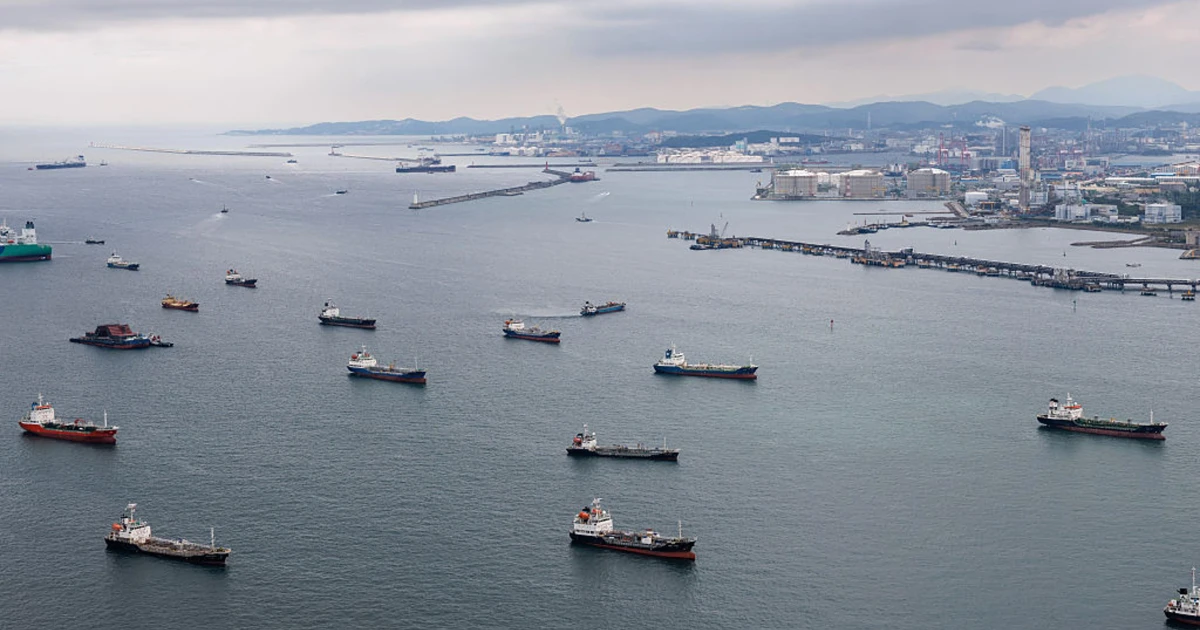
A strike on a Singapore-flagged commercial ship in the Strait of Hormuz pushed Brent crude higher and interrupted a United Nations evacuation effort, showing how quickly a single attack in the narrow waterway can ripple into oil markets, shipping costs and wider instability. The vessel was hit near the coast of Oman on Thursday, damaging its bridge and prompting UK Maritime Trade Operations to urge ships to proceed with caution while authorities assessed the threat.
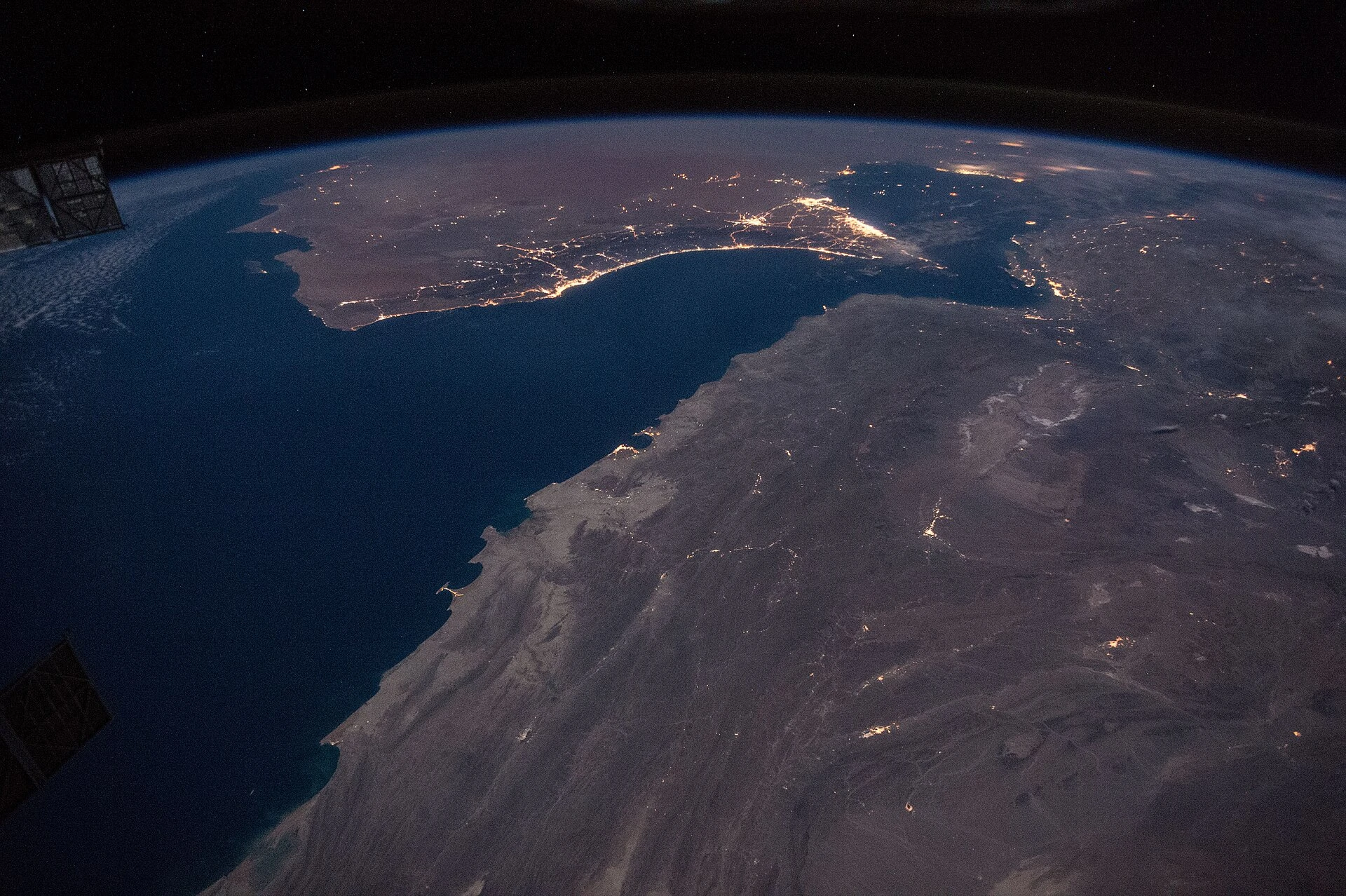
The attack landed in a corridor that carries vast volumes of oil and gas between the Persian Gulf and the Arabian Sea, making it one of the world’s most sensitive energy chokepoints. Brent had recently slipped back toward prewar levels, and the new attack reversed that calm, restoring the risk premiums that insurers, ship owners and fuel traders price into every voyage through the strait. No casualties were reported.
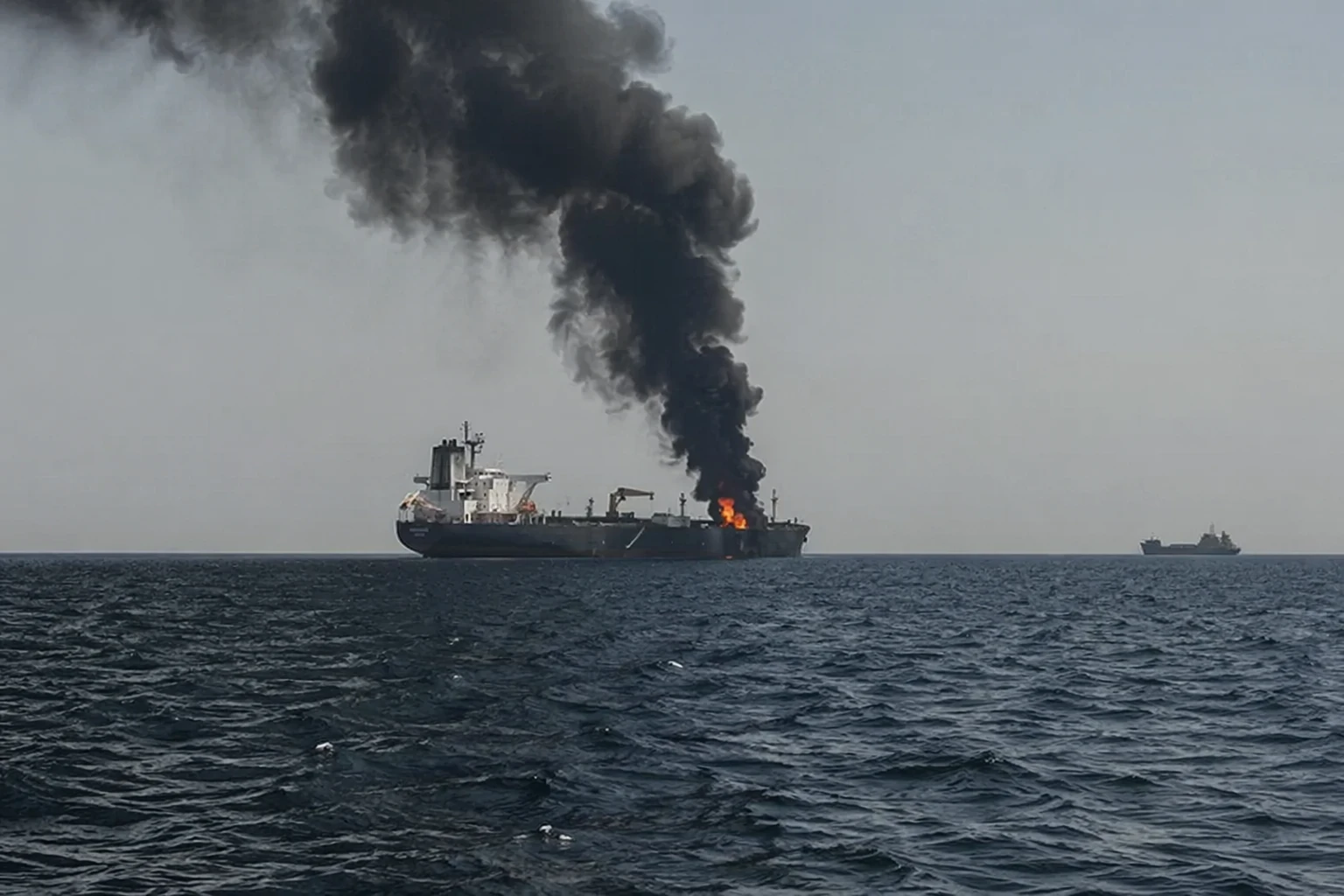
The International Maritime Organization then paused its evacuation operation, a move that halted efforts to move more than 11,000 stranded seafarers through the area. The pause underscored how fragile the partial reopening of the route remained after weeks of increased traffic. Even with more vessels returning, the strait remained vulnerable to a renewed cycle of military escalation and commercial disruption.
U.S. officials said Iran’s Revolutionary Guards attacked the vessel with a drone, while Iranian officials later reasserted Tehran’s right to control shipping in the Strait of Hormuz and warned Gulf states against siding with the United States. That message sharpened the diplomatic stakes around the waterway, where the push to restore normal traffic now sits alongside the risk that another strike could quickly unsettle energy markets again. For Washington and regional capitals, the cost of instability in the strait now runs far beyond the damaged hull of one ship.
Sources
- [1]cbsnews.com
- [2]imo.org
- [3]usnews.com
- [4]timesofisrael.com
- [5]cnbc.com
- [6]reuters.com