World
Iran blames rogue units for ship attacks in Strait of Hormuz crisis
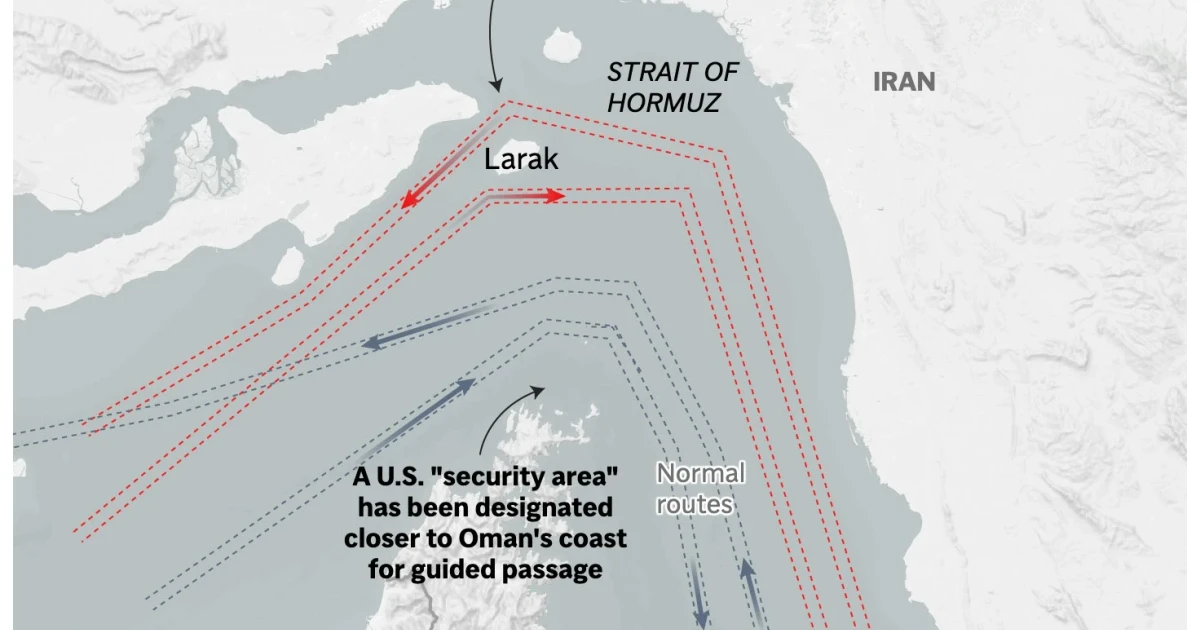
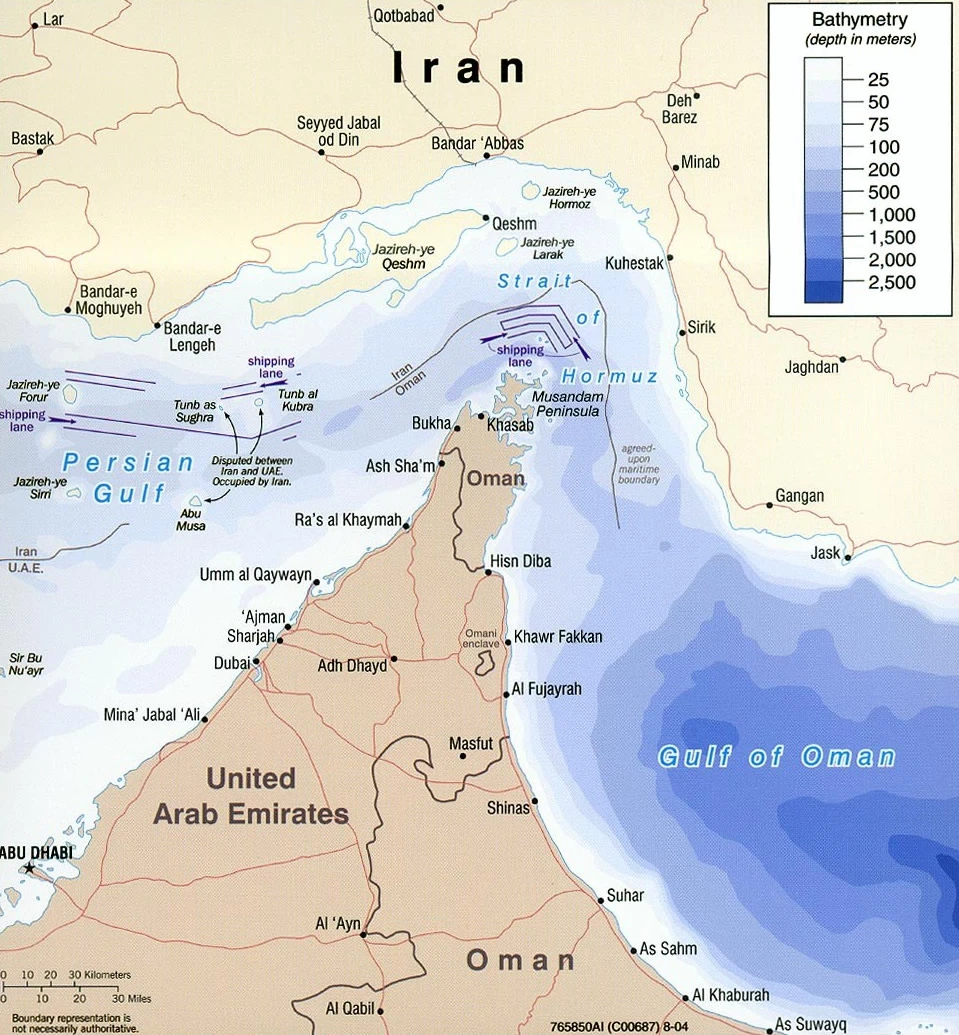
Iranian negotiators blamed recent ship attacks on rogue military units just as the Strait of Hormuz again became the center of a standoff over whether one of the world’s most important shipping lanes would stay open to all traffic. The waterway carries about one-fifth of global oil and gas supplies, and any renewed disruption can quickly push up tanker insurance, freight costs and the price risk built into global energy markets.
The crisis had briefly eased after a memorandum of understanding signed on June 17, 2026, called for the strait to reopen for 60 days while broader talks continued. Maritime-tracking reports said commercial traffic recovered from near zero to more than 20 crossings a day after the deal, but fresh attacks quickly interrupted that rebound. Before the war, about 130 commercial ships moved through the strait each day.
By Thursday, renewed hostilities between the United States and Iran had brought shipping to a near-standstill, leaving around 6,000 seafarers stranded aboard hundreds of vessels, United Nations officials said. The International Maritime Organization said 136 ships and 2,900 seafarers had already been evacuated. The numbers underscored how quickly a narrow passage between the Gulf of Oman and the Persian Gulf can become a choke point for global trade.
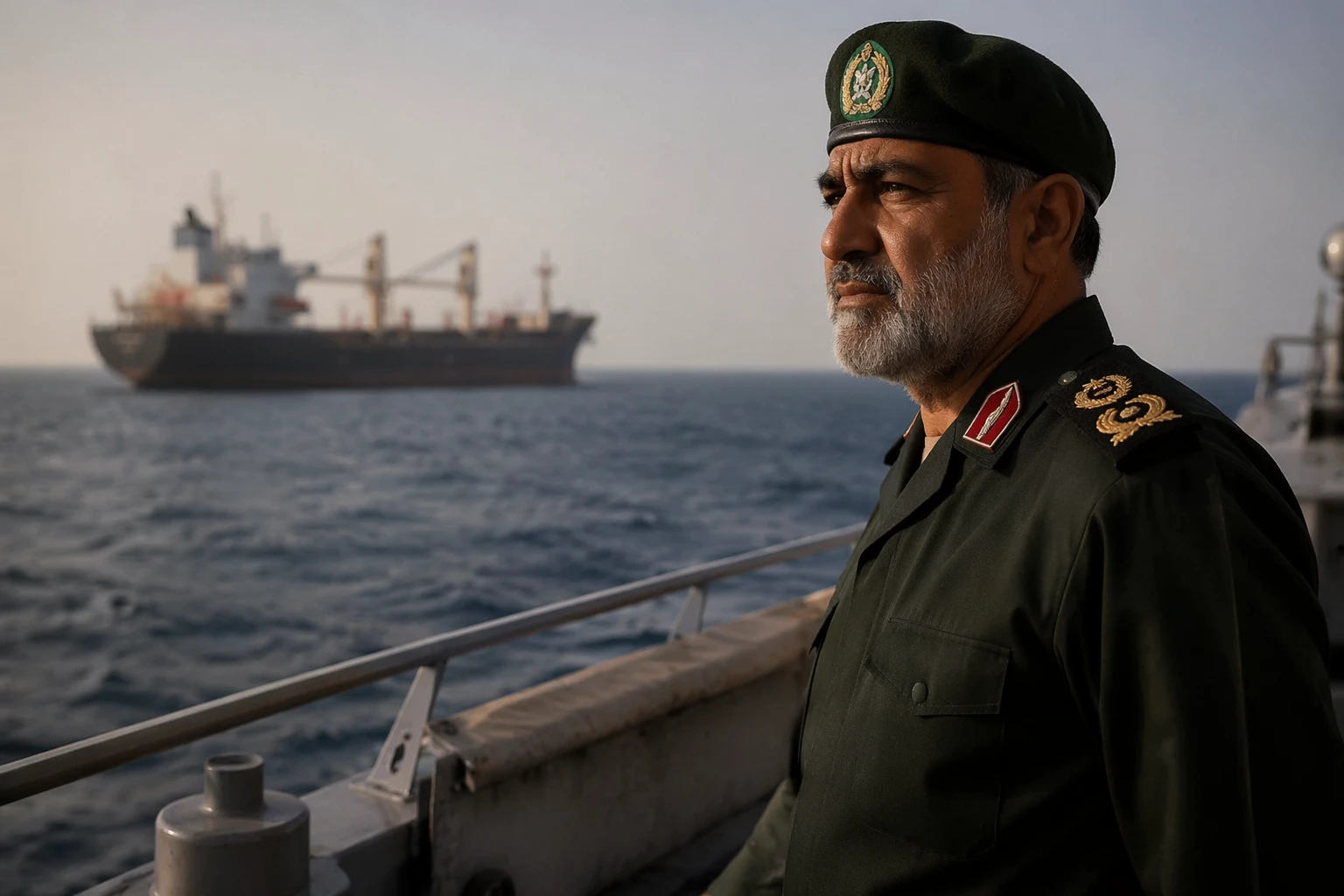
The immediate dispute is over control. Analysts and regional officials say the central question is whether the Strait of Hormuz will function as a free international shipping lane or remain subject to Iranian coordination. Some Iranian-linked statements have told vessels to use designated routes and said owners, operators and captains would bear responsibility for unauthorized travel, language that keeps the threat of another disruption alive even if the formal deal still exists.
The Trump administration has demanded that Iran publicly state the Strait of Hormuz is open and promise not to attack ships again. Qatar has taken the opposite legal line, saying Iran is fully legally responsible for the attacks on shipping. U.S. officials said the latest strikes and ship attacks threatened to unravel the fragile ceasefire framework.
The diplomatic subtext is just as stark as the shipping risk. If Iran is now blaming rogue units, it is trying to preserve room for talks without fully conceding control over the corridor. If Washington insists on a public declaration that the strait is open, it is signaling that a private understanding is not enough. For global markets, the difference between a face-saving pause and a durable de-escalation will determine whether the Strait of Hormuz stays open by agreement or closes again under fire.
Sources
- [1]nytimes.com
- [2]news.un.org
- [3]time.com
- [4]aljazeera.com
- [5]apnews.com
- [6]news.usni.org