World
Iran buries slain leader as ceasefire collapses and strikes resume
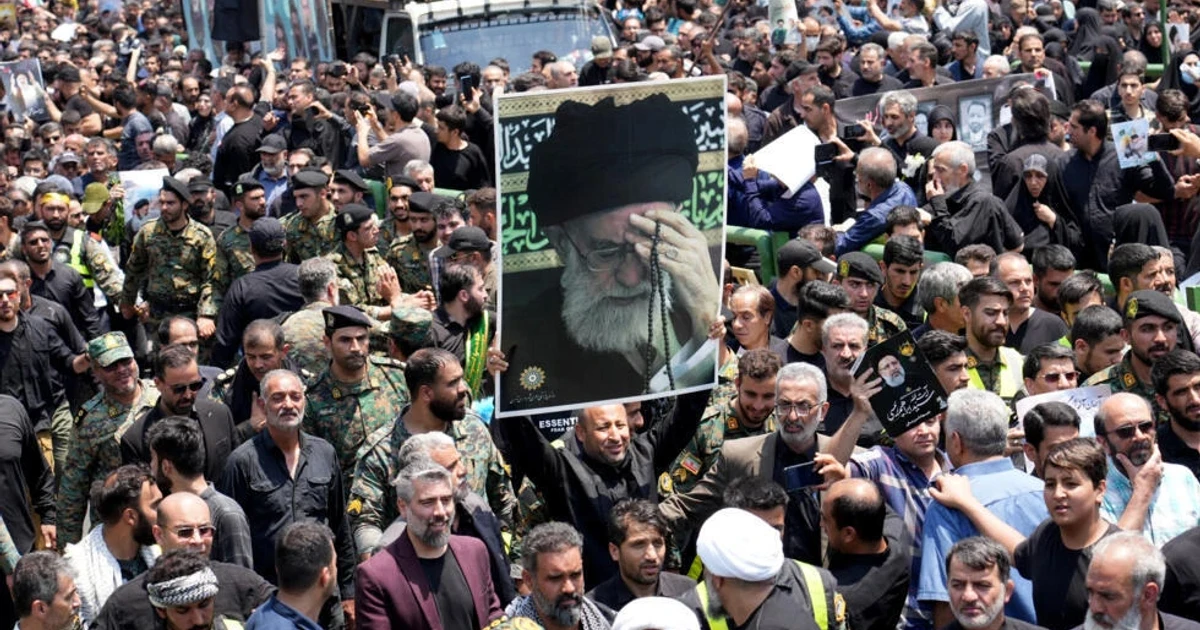
Mourners filled the streets of Tehran as Iran buried its slain supreme leader, turning a funeral into a public show of anger after days of strikes that shattered the latest ceasefire. Crowds packed the procession and many vowed revenge against the United States and Israel, underscoring how quickly the burial became a referendum on the next phase of the war.
The conflict began with U.S.-Israeli strikes on Feb. 28, 2026, that killed Ayatollah Ali Khamenei and other senior Iranian officials, including the defense minister and the commander of the Islamic Revolutionary Guard Corps. By March 7, strikes had been reported in more than a dozen countries across the region, and at least 1,230 people had been killed in Iran, according to the Islamic Republic News Agency.
Funeral proceedings in Tehran had already become a political event in early July, with the capital serving as the stage for grief, anger and demands for retaliation. The burial of the late supreme leader now lands at a moment when the battlefield is still active and the political consequences of his death are still unfolding inside Iran’s power structure.
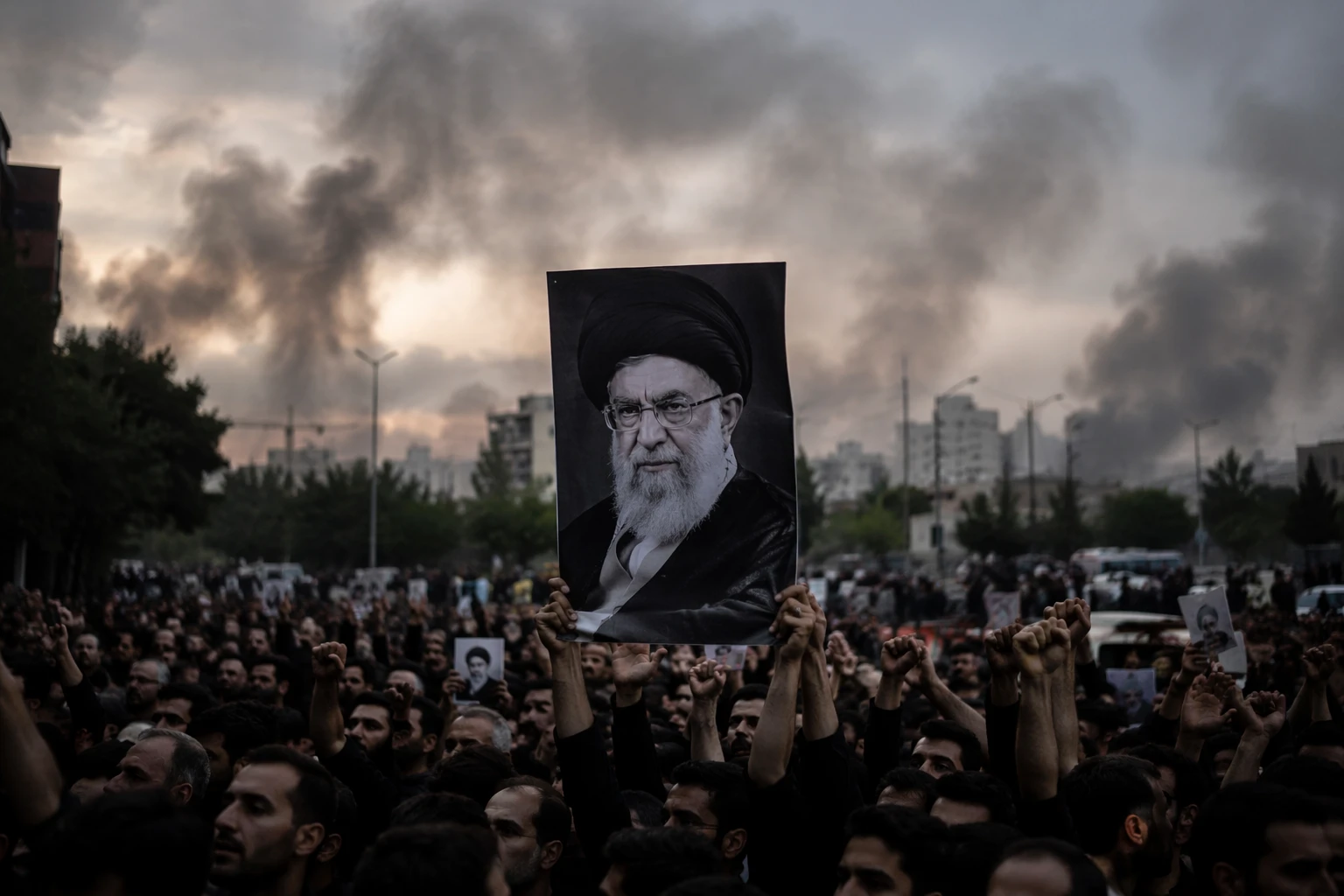
On July 9, the ceasefire between the United States and Iran collapsed again, and fresh strikes were reported across the Middle East. At the same time, U.S. officials were keeping diplomacy in play while intelligence allegations circulated that Israel had shared information with Washington about an Iranian plot to assassinate President Donald Trump.
Trump has publicly cast the crisis as a hard choice, saying there would either be a deal with Iran or the United States would “finish the job.” That warning leaves little room for ambiguity as the administration weighs talks against the risk of widening the war.
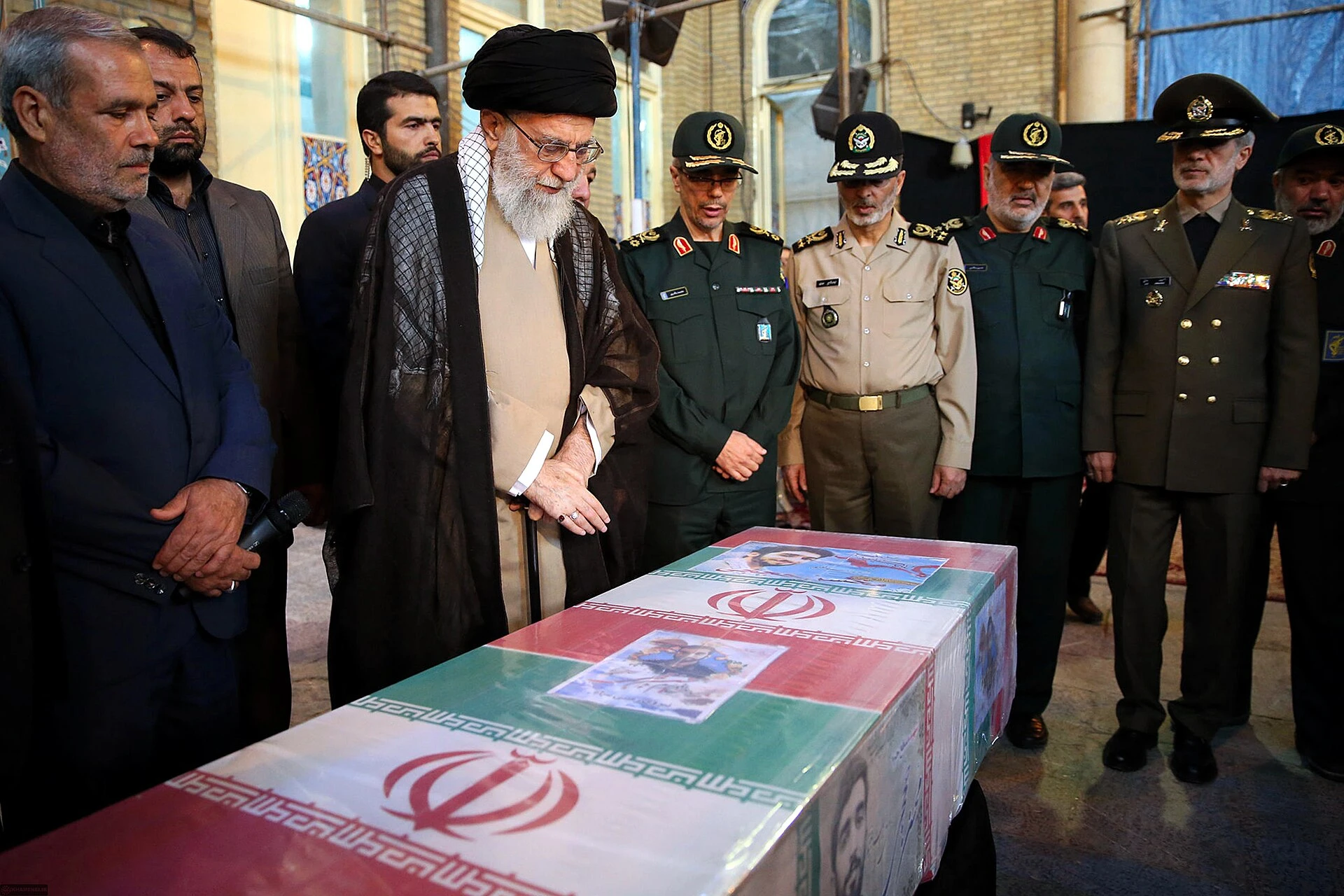
The funeral marked a symbolic end to one phase of the crisis, but it did not close the conflict. With strikes continuing, a ceasefire broken and Tehran framing the killing as a national wound, the prospects for de-escalation remain tied to whether Washington and Tehran can revive talks before the war spreads further.
Sources
- [1]news.google.com
- [2]cnn.com