World
Iran Calls for Lebanon’s Inclusion in Ceasefire Talks
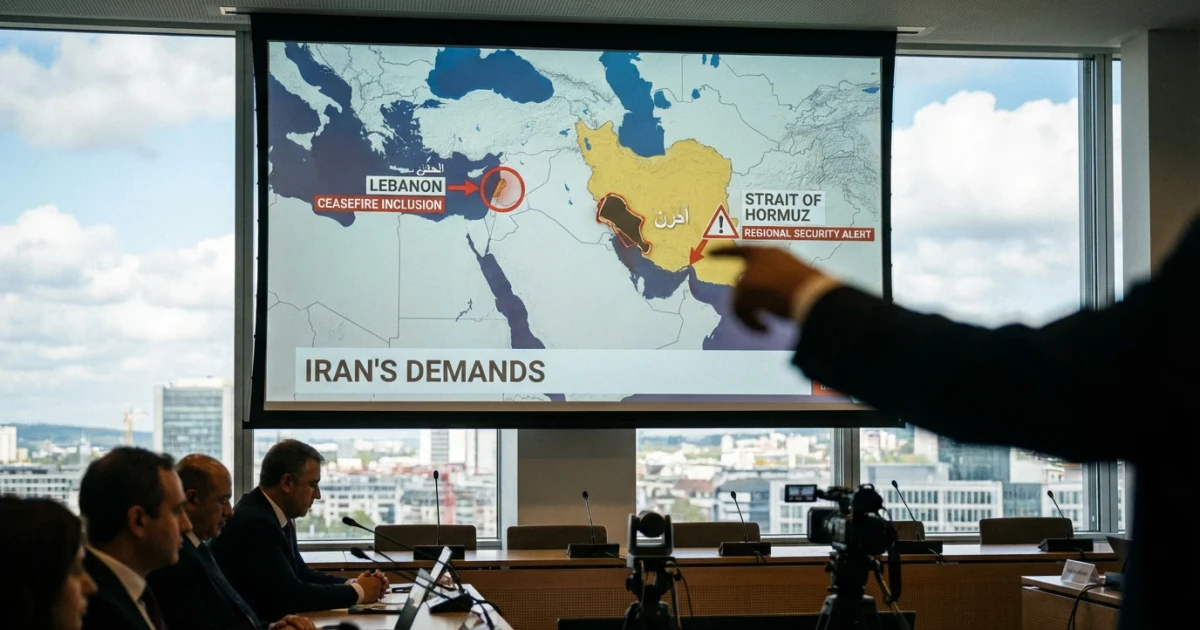
As diplomatic efforts intensify to resolve the ongoing Middle East crisis, Iran has publicly demanded that any proposed ceasefire must include Lebanon—a move that underscores regional complexities and the country’s strategic interests in the region. The announcement comes as negotiations remain deadlocked over security concerns in the Strait of Hormuz, a vital waterway for global energy shipments.
Iran’s Position on the Ceasefire
In statements reported by The Guardian, Iranian officials emphasized that any comprehensive ceasefire agreement in the Middle East should not overlook Lebanon. The call reflects Iran’s longstanding alliance with Lebanese groups, particularly Hezbollah, and signals Tehran’s intent to maintain its influence in Lebanese affairs amid the wider regional conflict.
Iran’s insistence on Lebanon’s inclusion aims to link the security of its ally to broader regional negotiations, potentially complicating ceasefire efforts that have so far focused primarily on direct combatants in the immediate crisis. According to The Guardian, Iranian representatives have stated that a partial ceasefire—one that excludes Lebanon—would be unacceptable and insufficient for lasting peace.
Strait of Hormuz: A Critical Chokepoint
The deadlock in negotiations is further heightened by the ongoing impasse over the Strait of Hormuz. This key maritime passage is responsible for approximately one-fifth of the world’s seaborne oil traffic, making it a strategic priority not only for Iran but also for global energy markets. As highlighted by CSIS analysis, the strait has long been a flashpoint for geopolitical tensions, particularly as Iran has periodically threatened to disrupt shipping in response to regional or international pressures.
- According to UNCTAD shipping statistics, over 20,000 vessels pass through the Strait of Hormuz annually, carrying crude oil, liquefied natural gas, and other goods.
- Iran’s control over portions of the waterway allows it to exert significant leverage in regional security discussions, especially during periods of heightened crisis.
The current standoff has raised concerns among international observers about potential disruptions to energy supplies and the risks posed to commercial shipping navigating the narrow strait.
Lebanon’s Role in the Regional Crisis
Iran’s call to include Lebanon in ceasefire negotiations is rooted in the country’s complex ties with Lebanese political and military groups. Background analysis from the Council on Foreign Relations details how Iran has provided financial and military support to Hezbollah, which operates as a significant force within Lebanon and has been involved in periodic escalations with Israel and other actors.
The humanitarian situation in Lebanon remains dire, with ongoing instability exacerbated by regional spillover. Data from OCHA’s Middle East crisis reports show that hundreds of thousands have been affected by recent violence, with displacement and shortages of essential goods intensifying as the crisis drags on.
International Response and Next Steps
The international community has watched the situation closely, with the United Nations and other mediators urging all parties to de-escalate and seek a lasting solution. The complexity of including Lebanon in ceasefire arrangements is significant, as it requires addressing the interests of multiple state and non-state actors. Official UN Security Council records document previous attempts to negotiate broader agreements, often stymied by divergent priorities among regional powers.
With the impasse in the Strait of Hormuz and Iran’s firm stance on Lebanon’s inclusion, the path to a comprehensive ceasefire remains uncertain. The stakes are high—not only for Middle Eastern stability but also for the global economy, given the region’s energy significance.
Analysis: High Stakes for Regional Diplomacy
Iran’s move to link Lebanon directly to ceasefire talks is both a diplomatic strategy and a signal of its broader regional ambitions. As negotiations continue, the world will be watching to see whether mediators can bridge these divides and secure an agreement that addresses the intertwined security, humanitarian, and economic dimensions of the crisis.