US News
Iran Condemns New U.S. Strikes Amid Truce Claims
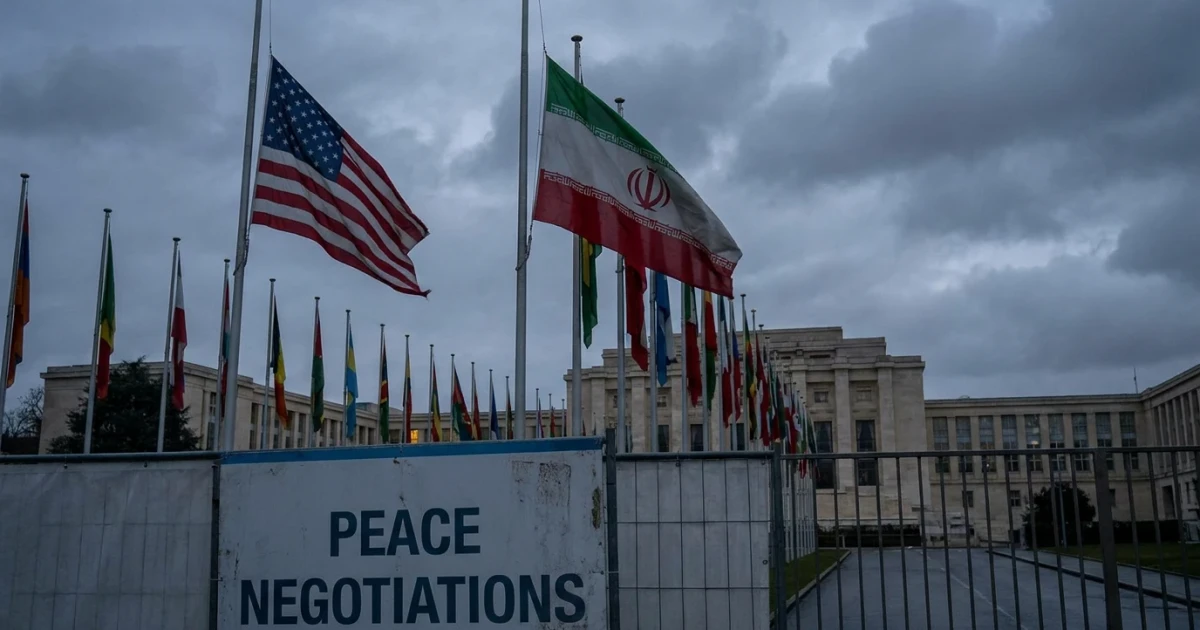
Rising tensions between the United States and Iran resurfaced this week as the U.S. military launched fresh strikes inside Iran, with Iranian officials immediately accusing Washington of breaking a truce agreement. The incident marks a new flashpoint in the already volatile relationship between the two countries.
U.S. Military Confirms Airstrikes in Iran
According to NBC News, U.S. military forces carried out a new round of strikes in Iran on May 26, 2026. While specific targets and damage reports were not immediately disclosed by U.S. officials, the strikes represent a continuation of ongoing military operations in the region. For readers seeking official details on such operations, the U.S. Central Command regularly publishes press releases on recent military actions and outcomes.
Iran Accuses U.S. of Violating Truce
Shortly after the strikes, Iranian authorities publicly accused the United States of violating a truce. Yahoo reported that Iranian officials condemned the strikes as a breach of a previously established agreement meant to de-escalate tensions in the region. The exact terms and status of the truce remain a matter of dispute, but Iran’s reaction signals a hardening of its stance following the latest military action.
- Iranian officials claim the strikes undermine recent diplomatic efforts.
- The U.S. has not publicly acknowledged any formal truce with Iran, according to available reporting.
- International observers note the potential for further escalation if both sides continue to contest the existence or terms of a truce.
Disputed Accounts and Escalating Rhetoric
The reports from NBC News and Yahoo highlight a key disagreement: while the U.S. has confirmed military action, it has not referenced any violation of a formal truce, whereas Iran frames the strikes as a direct breach. Such disputes are not new in the complex U.S.-Iran relationship, where communication is often channeled through third parties or public statements rather than direct negotiations.
For background on previous U.S. authorizations for military force in the region, readers can consult the AUMFs Tracker by Just Security, which details the legal landscape underpinning recent U.S. operations. Likewise, the ACLED Conflict Data Dashboard offers up-to-date statistics on incidents and casualties in the region, helping to contextualize the scale of ongoing violence.
Regional and International Implications
The latest developments raise concerns among international observers about the risk of broader conflict. As Iran and the U.S. exchange accusations, regional neighbors and global powers are likely to monitor the situation closely. For those interested in the broader policy environment, the Congressional Research Service provides analysis of Iran’s foreign and defense policies, including the history of confrontations with the U.S.
Key Points:
- The U.S. military confirmed new strikes in Iran on May 26, 2026.
- Iran accuses the U.S. of violating a truce, though the U.S. has not acknowledged such an agreement.
- The incident underscores ongoing disputes over military postures and diplomatic engagement.
- International observers warn of potential escalation if both sides fail to re-establish clear lines of communication.
Looking Ahead
The latest exchange of military action and accusations adds uncertainty to the future of U.S.-Iran relations. While neither side has indicated an immediate move toward broader conflict, the lack of a mutually recognized truce heightens the risk of further incidents. Ongoing monitoring of official statements, conflict data, and international diplomatic efforts will be crucial for understanding how the situation may evolve.