Business
Iran Conflict Accelerates Global Oil Stock Drawdowns
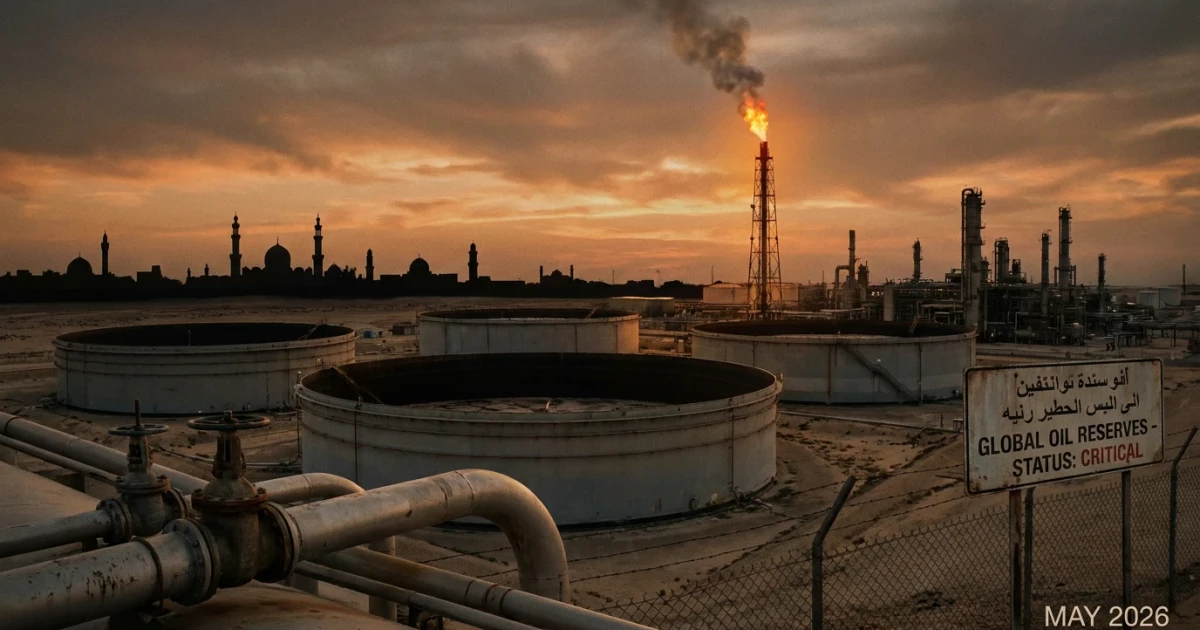
Global oil stocks are declining at an alarming rate as the ongoing conflict in Iran disrupts supply routes and intensifies market uncertainty. Recent industry commentary and data analyses suggest that the world’s oil buffer is being depleted faster than ever, with ripple effects likely to impact energy security and pricing worldwide.
Oil Supply Disruptions and Strategic Reserve Drawdowns
The Iran war has resulted in significant interruptions to critical oil flows, particularly from the Persian Gulf region—a key supplier for global markets. According to Bloomberg, disruptions have led to a sharp drawdown in stockpiles as nations and companies tap reserves to offset reduced imports.
- U.S. crude oil and petroleum product inventories have fallen to levels not seen since the last major geopolitical crisis, as shown in weekly EIA data.
- Strategic Petroleum Reserve inventories are being actively utilized to stabilize domestic supply, with the U.S. Department of Energy reporting accelerated withdrawals.
- Global oil stocks, including those held by OECD countries, have shown a marked decline, as confirmed by recent IEA Oil Market Reports.
Industry Warnings and Market Responses
Industry leaders are voicing concern about the mounting supply crunch. Bloomberg cites remarks from the Chevron CEO, who warned that shortages in oil supply could begin appearing sooner rather than later:
"Shortages in oil supply will begin appearing."
This caution is echoed in broader market sentiment. As the buffer of available oil shrinks, spot prices have surged and long-term contracts are being renegotiated to secure future deliveries. Analysts are closely monitoring stock levels via the JODI Oil World Database, which highlights the rapid depletion of inventories across major consuming nations.
Key Statistics and Trends
- OECD commercial oil stocks fell below their five-year average for the first time since 2022, according to the OPEC Monthly Oil Market Report.
- U.S. crude ending stocks have dropped by over 40 million barrels in the past two months (EIA weekly data).
- The BP Statistical Review of World Energy shows increased reliance on emergency reserves in both Europe and Asia.
Implications for Energy Security
Governments and industry groups are reassessing their energy security strategies as the buffer of available oil shrinks. The International Energy Agency (IEA) emphasizes the importance of maintaining emergency stockholding requirements and coordinating release strategies among member countries to prevent severe shortages.
Market analysts warn that if the conflict persists, the rapid drawdown of global oil stocks could expose both developed and developing economies to heightened risk of supply disruptions. In such a scenario, price volatility and rationing may become more common, and longer-term investments in alternative fuels could accelerate.
Looking Ahead
As the Iran conflict continues, the world faces a critical juncture in energy management. The pace of oil stock depletion is unprecedented, raising questions about how nations will respond to sustained supply challenges. While emergency reserves offer some relief, their finite nature underscores the urgent need for diversified energy strategies and robust supply chain resilience. Ongoing monitoring of global inventories and coordinated international responses will be vital in navigating the uncertain months ahead.