US News
Iran Conflict and Strait Closure Drive U.S. Gas Prices Higher
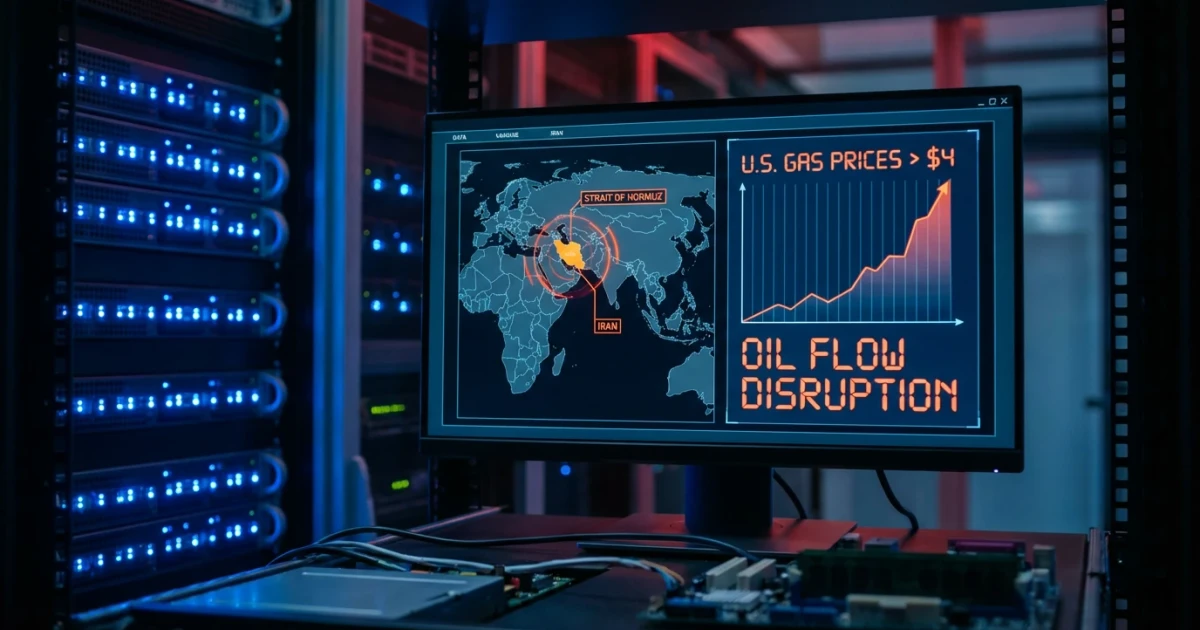
Escalating tensions in the Middle East have sent ripple effects through global oil markets, pushing U.S. gasoline prices above $4 per gallon and prompting pointed remarks from former President Donald Trump regarding allied nations’ reliance on American energy supplies.
Oil Disruptions Amid Strait of Hormuz Closure
The ongoing war involving Iran has led to the closure of the Strait of Hormuz, a critical waterway through which nearly a fifth of the world's oil typically transits. The disruption has sharply reduced global supply, causing crude oil prices to spike and sending shockwaves through international energy markets. Data from the U.S. Energy Information Administration show national average gasoline prices climbing above $4 per gallon for the first time since 2022.
- The EIA's weekly reports highlight rapid increases in both gasoline and diesel costs across all U.S. regions.
- Global oil supply disruptions have been tracked in the latest International Energy Agency analysis, noting the Strait’s closure could remove millions of barrels per day from the market.
Trump’s Frustration With U.S. Allies
Amid these developments, former President Donald Trump expressed public frustration with allied countries seeking support from the United States to offset their own energy shortfalls. According to AP News, Trump told other nations to "go get your own oil," signaling a shift towards a more isolationist stance on American energy exports as domestic prices soar.
Trump’s remarks reflect broader concerns about the impact of the Middle East conflict on both American consumers and international relations. As U.S. households grapple with rising fuel costs, policymakers face renewed debate over balancing domestic supply with commitments to global partners.
Global Market Reactions and Implications
Energy market analysts have emphasized the significance of the Strait of Hormuz as a global chokepoint, warning that prolonged disruption could have severe economic consequences worldwide. The Statistical Review of World Energy and OPEC reports have outlined how a sudden drop in seaborne oil flows intensifies volatility, driving up spot prices and futures contracts for crude oil.
- The International Energy Agency’s March 2024 Oil Market Report underscores the vulnerability of petroleum-dependent economies to supply interruptions, particularly in Asia and Europe.
- U.S. Energy Information Administration data indicate that recent price spikes have outpaced those seen during previous regional conflicts, reflecting the scale of current supply risks.
Looking Ahead: Energy Security and Policy Choices
The ongoing crisis has revived debates over U.S. energy policy, including the nation’s role as a top oil producer and exporter. Trump’s call for allied nations to secure their own supplies adds pressure on global partners to diversify energy sources and invest in alternative routes and reserves.
With Middle East tensions showing no immediate signs of easing, consumers and businesses worldwide are bracing for continued volatility. Policymakers and analysts alike are monitoring developments closely, as the outcome may shape both fuel prices and international energy cooperation for months to come.