Business
Iran Conflict Drives Oil to Four-Year Highs
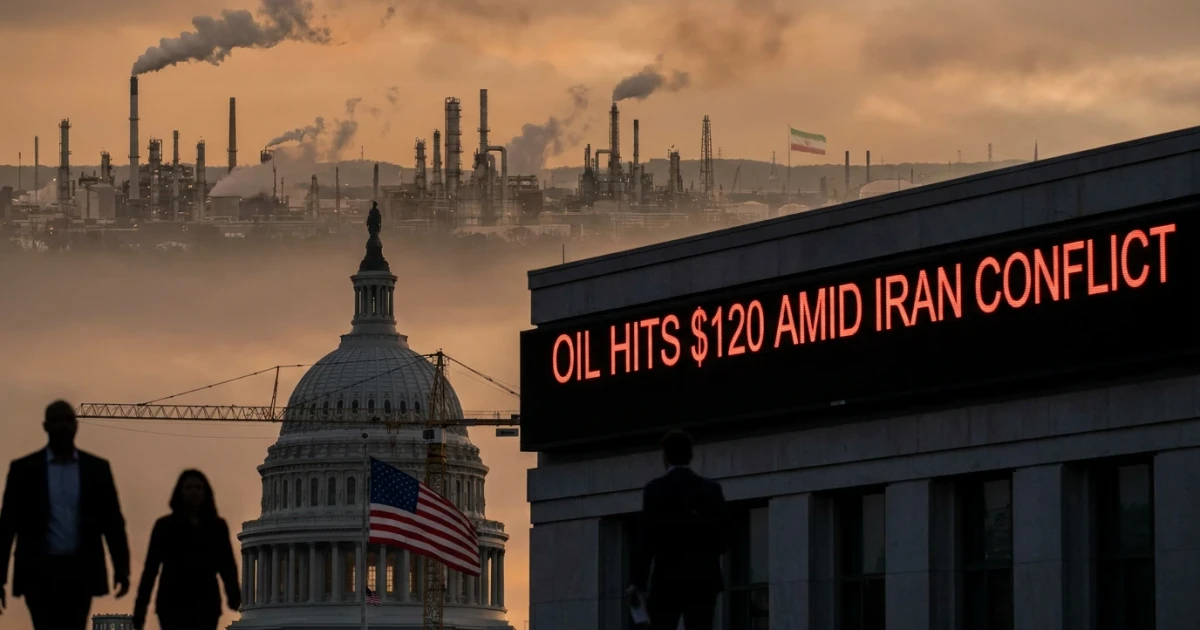
Global oil prices soared above $120 per barrel this week, reaching their highest level in four years, as the ongoing war involving Iran continues to disrupt energy markets. The surge has intensified concerns over global supply chains, while in Washington, political focus shifted to Pete Hegseth’s latest round of congressional questioning.
Oil Prices Spike Amid Iran War
The conflict centered around Iran has sent shockwaves through commodity markets. According to CBS News, Brent crude oil prices climbed above $120 a barrel as traders reacted to the heightened risk of supply disruptions from a region critical to global energy flows. This marks the highest price point since 2022, and a level not seen since the volatility of 2020.
- Brent crude exceeded $120 per barrel this week, surpassing previous post-pandemic highs.
- Ongoing military actions near Persian Gulf shipping lanes have raised fears of further supply disruptions, driving prices higher.
- The OPEC Monthly Oil Market Report has noted a tightening supply outlook as a result of the conflict.
Historically, Middle Eastern conflicts have resulted in price spikes due to the region's significant share of global oil production. Data from Federal Reserve Economic Data (FRED) illustrates how current prices are at their highest since the mid-2020s, and analysts warn that continued instability could push costs even higher.
Market Reactions and Economic Impact
Market analysts cited by CBS News highlight that the escalation in Iran has not only affected spot prices but also increased volatility in oil futures trading. Reports from the Commodity Futures Trading Commission indicate a surge in speculative activity, as traders seek to hedge against further supply shortfalls.
- Transportation and manufacturing sectors worldwide are bracing for higher costs as energy prices ripple through supply chains.
- Past disruptions in the region have led to inflationary pressure and slower global growth—a pattern economists fear could repeat if the conflict drags on.
- Consumers may soon face rising gasoline and heating costs, especially in countries dependent on imported oil.
Pete Hegseth Faces Congressional Scrutiny
While oil markets reel from the fallout of the Iran conflict, political attention in the United States has also turned to Pete Hegseth, who faced a renewed round of questioning before Congress. The official transcript published by CBS News details the latest developments in ongoing investigations involving Hegseth, though the specifics of the inquiry were not fully disclosed in the initial reports.
This comes at a time when lawmakers are seeking accountability on multiple fronts, including responses to the energy crisis and the broader national security implications of the situation in the Middle East.
Looking Ahead
As the conflict in Iran continues, experts predict ongoing volatility in oil prices and wider economic impacts. Analysts are closely watching both geopolitical developments and the responses from major oil producers and governments. The coming weeks will be crucial in determining whether energy markets stabilize or face further turmoil.
For readers seeking more context on oil price trends, official statistics, and congressional proceedings, the following resources provide in-depth data and analysis:
- U.S. Energy Information Administration: Daily Brent Crude Oil Price
- OPEC: Monthly Oil Market Report Data
- FRED: Brent Crude Oil Price Data
- CFTC Commitments of Traders: Energy Futures
- CBS News: Transcript of Pete Hegseth Congressional Testimony
With both geopolitical and domestic developments evolving rapidly, continued coverage and reliable data will be essential for understanding the full impact on markets and policy debates.