World
Iran Conflict Enters Sixth Week Amid Mounting Global Concerns
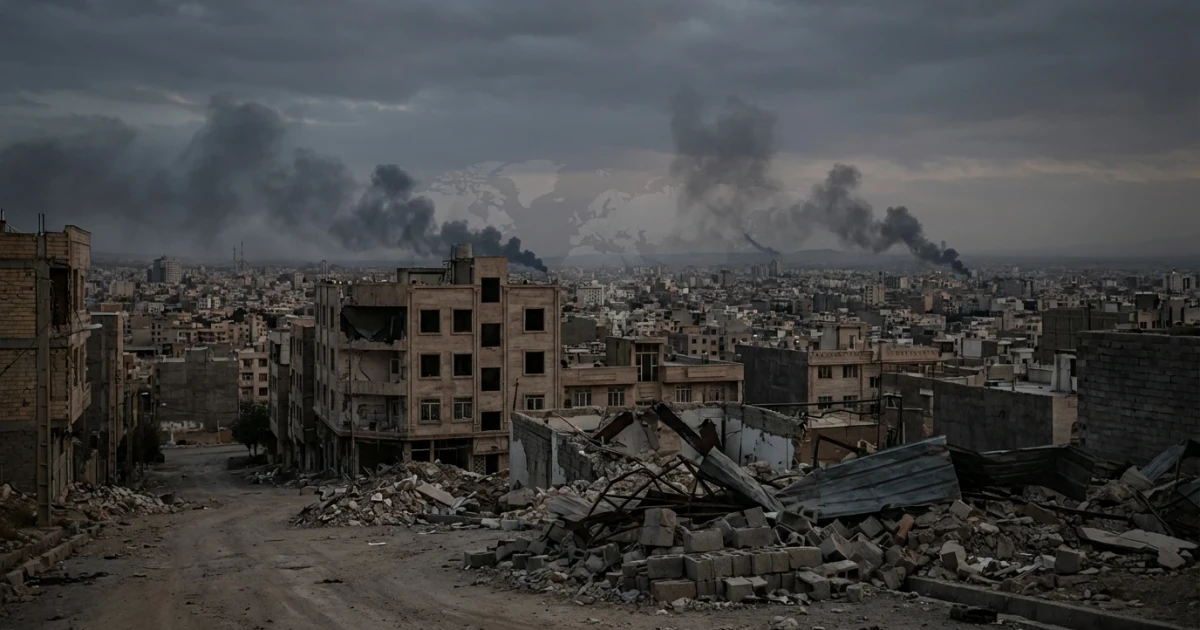
The conflict in Iran has persisted for over six weeks, marking a significant period of instability with far-reaching implications for the region and the world. Recent updates from analysts and official sources paint a complex picture of military activity, humanitarian challenges, and evolving international responses.
Continued Military Engagements and Shifting Control
As of April 9, 2026, frontline reports and analysis indicate that hostilities are ongoing across multiple provinces in Iran. According to the Institute for the Study of War’s April 9 update, both government and opposition forces have engaged in a series of clashes that have resulted in shifting control over strategic towns and transportation routes. The pace of military operations has remained steady, with neither side achieving a decisive advantage. The ACLED Conflict Data Dashboard corroborates the persistence of violence, documenting numerous conflict events and casualties throughout the country in recent weeks.
- Day 42 of the conflict sees significant fighting concentrated in key urban centers and border regions.
- Both sides appear to be relying on a combination of conventional and asymmetric tactics.
- Reports of infrastructure damage and disruption to civilian life are widespread.
Humanitarian Impact Intensifies
The humanitarian situation has become increasingly dire. According to official UN reports, the conflict has displaced thousands of civilians, with urgent needs for food, shelter, and medical assistance growing by the day. Relief organizations warn that access to affected populations is often hampered by ongoing violence and damaged infrastructure, compounding the crisis.
- Displacement: Significant numbers of families have been forced from their homes, seeking refuge in less-affected areas or neighboring countries.
- Casualties: While exact figures are difficult to verify, data indicates hundreds of civilian and combatant casualties since the conflict’s onset.
- Humanitarian access: Efforts to provide aid are challenged by insecurity and logistical barriers.
International Reactions and Policy Considerations
The global community has responded with a mix of concern and calls for de-escalation. Policy analysts, as covered by the International Crisis Group, note that regional tensions are at their highest levels in years, with fears that the conflict could spill over into neighboring states. Diplomatic efforts have so far yielded limited results, as stakeholders remain divided on the best path forward.
Western governments, in particular, have urged all parties to prioritize civilian protection and allow for humanitarian corridors. Meanwhile, analysts stress the importance of monitoring Iran’s military capabilities, as the conflict’s trajectory could shift rapidly depending on external involvement or changes in internal command structures.
Looking Ahead
As the conflict shows few signs of immediate resolution, experts warn of the potential for prolonged instability. The humanitarian toll is expected to rise unless parties agree to a ceasefire or facilitate greater access for relief agencies. Comprehensive coverage and analysis, such as that provided by Heather Cox Richardson’s wrap-up of the day’s events, help underscore the urgent need for diplomatic and humanitarian solutions.
Ongoing monitoring through conflict data dashboards and official humanitarian reports will remain essential for understanding the evolving situation on the ground. With the conflict now well into its sixth week, the eyes of the world remain on Iran, awaiting signs of de-escalation and relief for those affected.