Politics
Iran Conflict Looms Large Over Republican Midterm Strategy
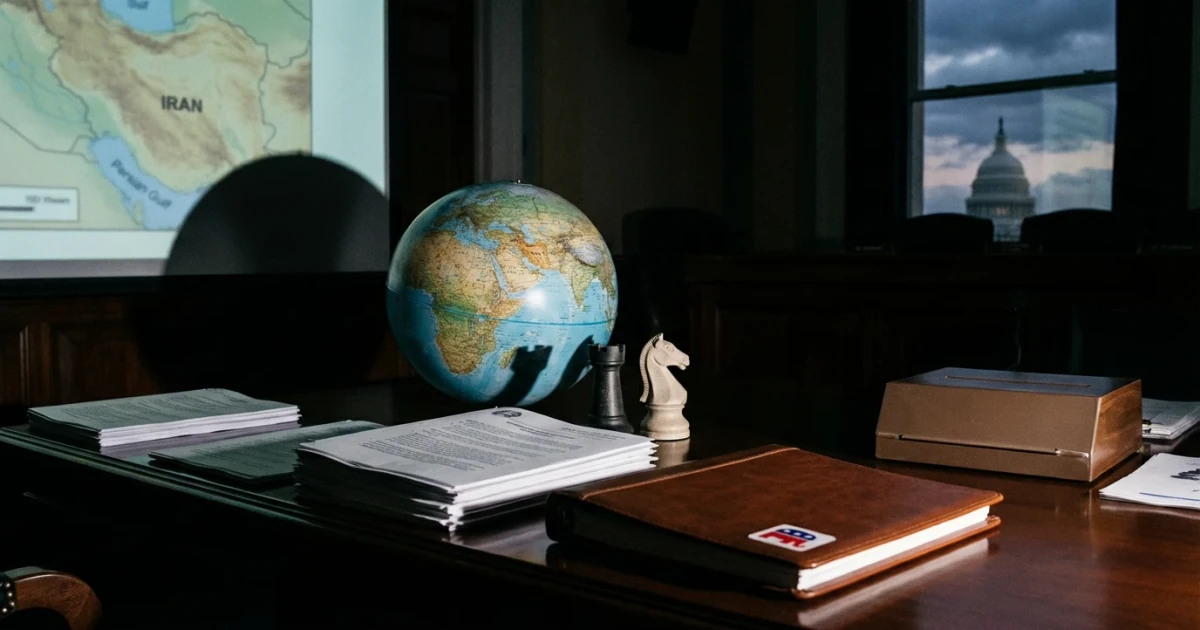
The ongoing conflict between the United States and Iran has become a defining issue in the lead-up to the midterm elections, shaping both Republican political strategy and national discourse. With military actions authorized by the Trump administration dominating headlines, candidates and voters are weighing the consequences for domestic politics and foreign policy alike.
Republican Messaging and the Iran Conflict
Republican leaders have largely rallied behind President Trump's decision to engage militarily with Iran, framing the actions as necessary for national security. This narrative emphasizes the administration’s commitment to confronting perceived threats and defending American interests abroad. As Congressional Research Service analysis notes, the escalation has reignited debates over the role of Congress in authorizing military force, especially after the passage of S.J.Res.68, a Senate joint resolution aimed at directing the removal of U.S. armed forces from hostilities against Iran.
For many Republican incumbents and candidates, support for a strong military response has become a talking point on the campaign trail. They argue that projecting strength is essential, while also appealing to core conservative voters who prioritize national defense.
Public Opinion and Electoral Implications
However, public opinion on military engagement with Iran is far from unanimous. According to Pew Research Center data, Americans remain divided over the use of force, with significant differences along party lines. While Republican voters generally express higher levels of support for military action, independents and Democrats are more skeptical, raising concerns about the risks of escalation and long-term entanglement in the Middle East.
- Polls show that Republican support for military action against Iran remains above 60%, but overall national support hovers closer to 40%.
- Statista data illustrates that support for military engagement spikes during initial conflict but typically declines as operations continue.
This polarization presents both an opportunity and a challenge for Republican candidates. While the party base is energized by assertive foreign policy, swing voters in competitive districts may be wary of the costs and consequences. Research from the Brookings Institution indicates that military conflicts can have unpredictable effects on midterm outcomes, with the potential to mobilize opposition as much as support.
Congressional Action and Political Debates
The Iran conflict has also reignited debates in Congress over war powers and executive authority. After the Trump administration’s actions, lawmakers from both parties have revisited the scope of presidential power in initiating hostilities without explicit congressional approval. The passage of S.J.Res.68 underscored bipartisan concern about unchecked military interventions, though the resolution faced a presidential veto and did not become law.
In the current campaign environment, some Republican candidates are doubling down on the necessity of swift executive action, while others acknowledge the importance of congressional oversight. These intra-party differences may shape primary contests and influence the party’s overall message heading into November.
Foreign Policy and Security Narratives
Beyond immediate electoral considerations, the Iran conflict has raised broader questions about America’s long-term strategy in the region. Experts at the Council on Foreign Relations highlight Iran’s military capabilities and the risks of escalation, suggesting that sustained hostilities could strain U.S. resources and alliances. Republican leaders have responded by emphasizing the importance of deterrence and military readiness, even as critics warn of unintended consequences.
Looking Ahead to the Midterms
As the midterm campaign intensifies, the Iran conflict is likely to remain a central issue for Republican candidates—both as a rallying point for the base and a test of their ability to appeal to a broader electorate. The ultimate impact on the party’s fortunes will depend on the evolving situation overseas, the administration’s management of the conflict, and the public’s appetite for continued engagement.
With the stakes high and the outcome uncertain, Republicans face the challenge of balancing assertive foreign policy with the concerns of war-weary voters—a dynamic that will shape not only the midterms, but the broader direction of U.S. politics in the years to come.