Business
Iran Conflict Sends Shockwaves Through Global Markets
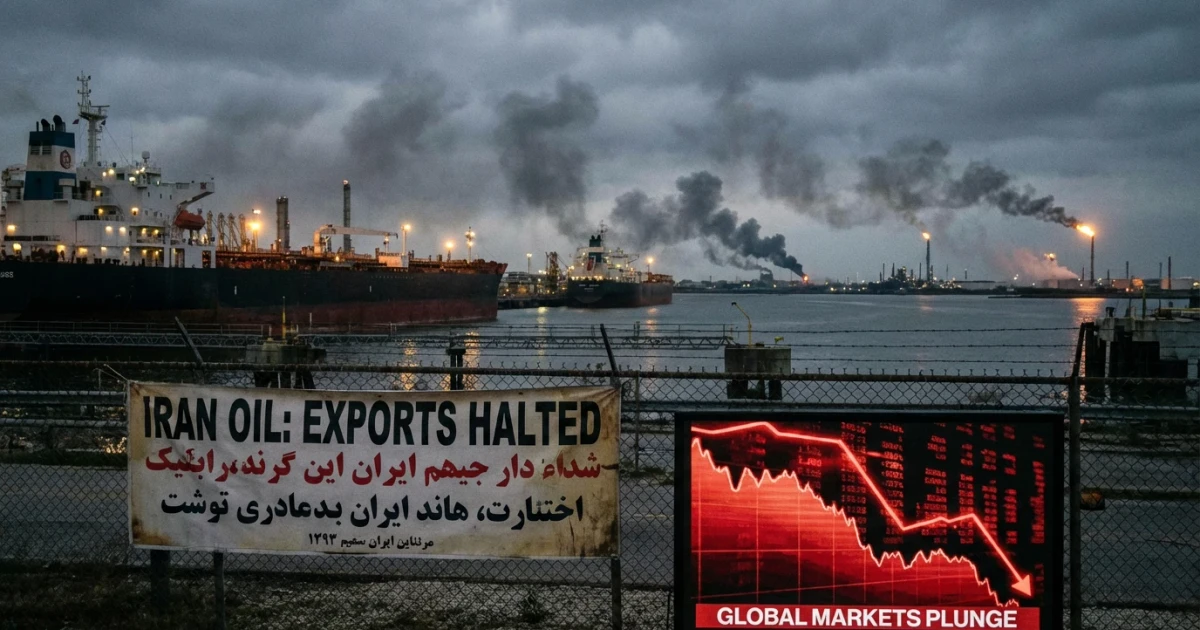
Escalating conflict in Iran is rattling global markets, sending energy prices climbing and fueling concerns about rising inflation worldwide. Economists warn that the war’s economic repercussions may be felt from the grocery aisle in the United States to central bank decisions around the globe, as policymakers and consumers alike brace for a period of heightened uncertainty.
Oil Markets Respond Swiftly to Unrest
Both Foreign Affairs and Axios highlight how the Iran war has immediately impacted oil markets. Iran, a major oil producer, plays a pivotal role in global energy supply chains. As the conflict disrupts exports and threatens key transport routes, crude oil prices have surged on international exchanges. Data from the Intercontinental Exchange shows Brent crude futures spiking as traders react to the uncertainty.
- Foreign Affairs reports that oil prices jumped as much as $20 per barrel in the immediate aftermath of the conflict’s escalation, reflecting fears of supply disruptions.
- Axios notes that these price swings are already translating into higher costs for gasoline and energy in the U.S. and abroad.
The shock to oil supply is particularly significant given Iran’s pre-war output of roughly 3.8 million barrels per day. Any prolonged disruption could intensify volatility, with downstream effects across transportation, manufacturing, and consumer goods.
Inflation Fears Take Center Stage
Alongside energy markets, the war’s inflationary impact is a chief concern for policymakers and consumers. Axios cites new data from a Federal Reserve survey showing that Americans’ inflation expectations have surged since the onset of hostilities. This reflects widespread anticipation that higher fuel prices will ripple through the economy, pushing up the cost of everything from food to transportation.
- Foreign Affairs warns that “all roads lead to higher prices” as supply chains are jolted and input costs soar.
- Axios reports that the Federal Reserve’s most recent consumer survey saw one-year inflation expectations jump by more than 0.5 percentage points in a single week, the largest move since early 2022.
These concerns are not limited to the U.S. The war’s effects on Iran’s own inflation rates and those of its trading partners could create knock-on challenges for central banks worldwide, as they weigh the need for tighter policy against risks to growth.
Consumers Face Economic Headwinds
For everyday consumers, the most immediate effect is likely to be felt at the pump and in higher prices for goods. Axios underscores that the war’s “tab is coming due” for Americans, as rising inflation eats into household budgets. Grocery stores and retailers are expected to pass along higher transportation and energy costs to shoppers, compounding the impact of already elevated prices from previous supply chain disruptions.
Foreign Affairs adds that the conflict could further strain global supply chains, particularly for goods that depend on energy-intensive production or long-distance shipping. This would not only affect prices but could also slow economic growth if businesses and consumers pull back on spending.
Policymakers Brace for Turbulence
Central banks and governments are now confronting the challenge of responding to a new inflationary shock. Axios and Foreign Affairs both note that the Federal Reserve and its counterparts may be forced to consider additional interest rate hikes if inflation expectations become unanchored. At the same time, higher rates could slow economic growth or even tip economies into recession if not managed carefully.
Meanwhile, the war is likely to influence debates over sanctions and energy policy, as countries weigh the costs and benefits of further economic restrictions on Iran versus the risk of exacerbating global supply crunches.
Looking Ahead: Uncertainty Reigns
While the ultimate duration and outcome of the Iran conflict remain uncertain, both Foreign Affairs and Axios agree that its economic consequences will be felt well beyond the region. The combination of higher energy prices, rising inflation expectations, and global financial volatility sets the stage for a challenging period for consumers, businesses, and policymakers alike.
For now, analysts recommend closely monitoring oil prices, inflation data, and central bank communications, as these indicators will provide early signals of the war’s evolving impact on the world economy.