Business
Iran Conflict Stalls Hormuz Transit, U.S. Gas Prices Climb
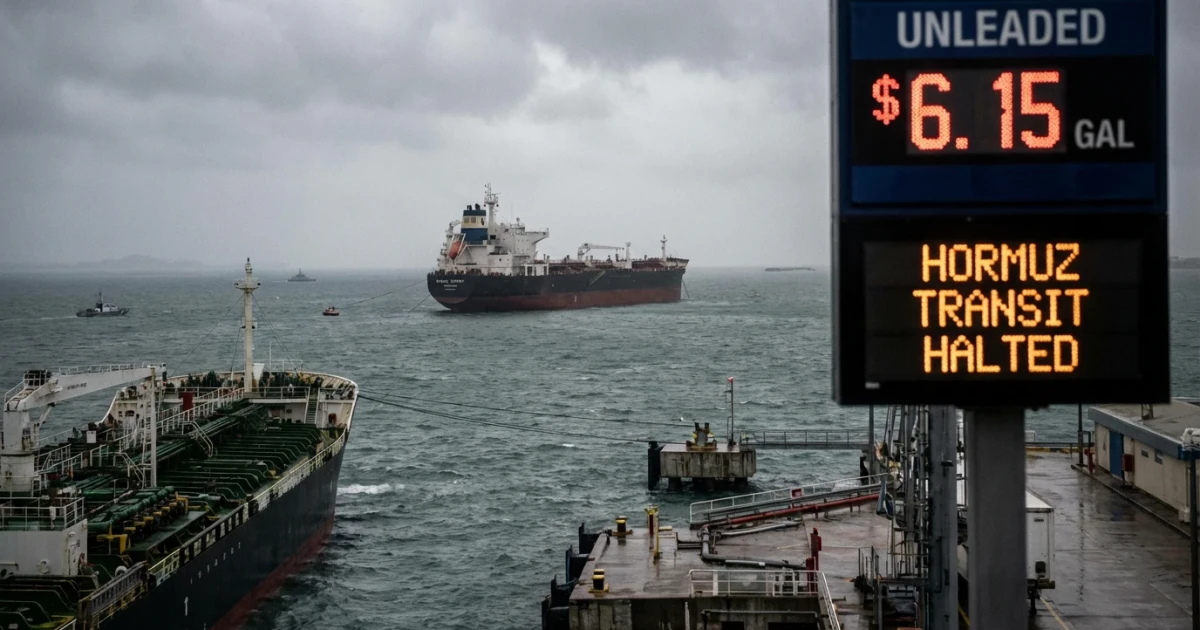
U.S. gasoline prices have surged to their highest level in over two years as ongoing military conflict in Iran continues to disrupt global oil flows through the critical Strait of Hormuz, according to CBS News and CNN. The paralyzing effect on one of the world’s most important energy corridors comes despite demands from former President Donald Trump for swift action to restore transit.
The Impact of War on Energy Markets
The Strait of Hormuz—a vital maritime passage connecting the Persian Gulf with major global markets—has long been recognized as the world’s most important oil transit chokepoint. Recent fighting in Iran has rendered the strait effectively paralyzed, halting the flow of crude oil and refined products for several days. Data from the International Energy Agency shows that nearly 20% of global oil trade typically passes through this narrow waterway each year.
- U.S. gasoline prices have climbed above $4 per gallon on average, their highest since October 2023.
- The shutdown has also affected diesel and jet fuel prices, contributing to higher transportation costs across sectors.
- EIA data confirms a sharp weekly increase in retail fuel prices nationwide.
Global Repercussions and Supply Chain Concerns
The disruption of oil flows through Hormuz has sent ripples across global energy markets, with analysts warning of potential shortages if the standoff persists. According to the BP Statistical Review of World Energy, Gulf states such as Saudi Arabia, Iraq, and the United Arab Emirates collectively export millions of barrels per day through the strait. Any extended blockage could put significant pressure on both supply and pricing.
While the United States is less directly reliant on Gulf oil than in past decades, the interconnected nature of energy markets means that disruptions still lead to price spikes at American pumps. Futures contracts for gasoline and crude have also reflected the uncertainty, with RBOB gasoline futures up sharply in recent sessions.
Political Response and Public Pressure
Despite growing calls for intervention, including public statements from former President Trump demanding immediate action, the U.S. and international partners have so far struggled to reopen the vital shipping channel. CBS News notes that diplomatic and military options are being debated, but no resolution appears imminent as of this report.
Key facts driving the crisis:
- The Strait of Hormuz typically handles around 21 million barrels of oil per day, according to the International Energy Agency.
- U.S. retail gasoline prices surged to their highest weekly average since October 2023.
- Oil futures markets have responded with significant volatility.
Outlook: Uncertain Path Ahead
As the situation in Iran remains fluid, analysts expect continued volatility in oil and gasoline prices. Much will depend on the duration of the conflict and the ability of global actors to secure safe passage for tankers. For American consumers, elevated prices at the pump serve as a direct reminder of the volatility in global energy supply chains and the far-reaching effects of geopolitical crises.