Business
Iran Conflict Triggers Record Oil Supply Disruption
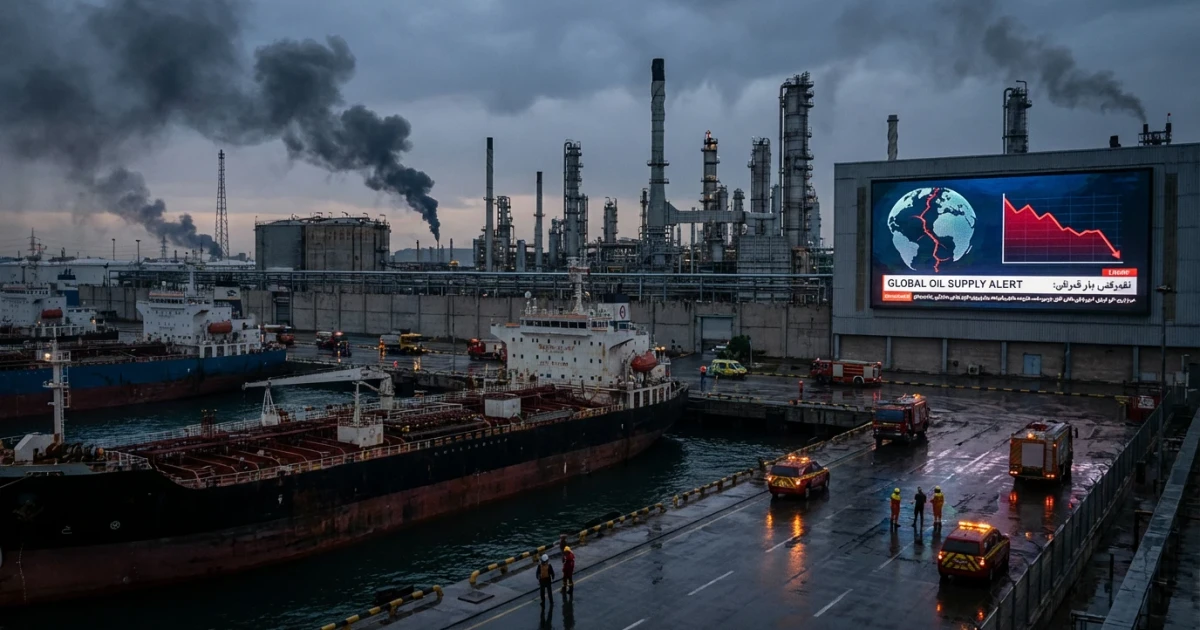
The escalation of war in Iran has unleashed the largest oil supply disruption in history, according to new assessments from the International Energy Agency (IEA) and multiple news organizations. The crisis has sent shockwaves through global energy markets and forced governments into emergency responses as they grapple with both immediate shortages and long-term strategy.
IEA Confirms Unprecedented Disruption
Both Politico and Bloomberg report that the International Energy Agency’s latest analysis shows the current supply deficit surpasses previous crises, including the 1973 Arab oil embargo and the 1990 Gulf War. The IEA Oil Market Report underscores the immense scale of the shortfall, as Iran’s status as a major oil producer means its removal from the market has immediate, global impact.
- IEA data indicates that over four million barrels per day of supply have been disrupted—an unprecedented figure in modern oil market history.
- According to the U.S. Energy Information Administration, Iran accounted for roughly 8% of global oil exports prior to the conflict, underscoring the significance of this disruption.
- IEA historical analysis, referenced by both news outlets, confirms that this event now stands as the world’s largest oil supply shock by volume and duration since detailed records began.
Emergency Oil Release and U.S. Response
With oil prices spiking and global inventories tightening, President Trump’s administration has initiated emergency releases from the U.S. Strategic Petroleum Reserve (SPR). The move is designed to cushion the blow of surging prices and help stabilize markets, at least temporarily.
According to Politico, the President’s decision marks a dramatic reversal from previous positions, highlighting the pressure facing policymakers as the crisis deepens. The Federal Register documents the official procedures for such emergency releases, which are rare and typically reserved for the most severe disruptions.
- The U.S. SPR, the world’s largest emergency oil stockpile, currently holds approximately 347 million barrels, according to the latest Department of Energy report.
- Officials have signaled that further releases may be considered if global supplies remain under threat.
Global Market Turmoil and Policy Implications
The supply shock has pushed oil prices to multi-year highs, with immediate knock-on effects for energy costs, inflation, and economic stability. As Bloomberg notes, the crisis has forced major oil importers—including Europe, India, and China—to scramble for alternative supplies, driving both competition and price volatility.
While emergency measures like SPR draws can ease short-term pain, analysts warn that they cannot fully offset the loss of Iran’s exports. The IEA’s historical overview of supply disruptions shows that sustained outages of this magnitude often lead to lasting changes in market dynamics and policy priorities.
Comparisons to Past Crises
- The 1973 oil embargo reduced global supply by about 4 million barrels per day at its peak, but was shorter in duration than the current Iran-related disruption.
- The 1990 Gulf War caused a loss of 4.3 million barrels per day, but the market recovered more quickly due to coordinated international releases.
- This time, the scale and uncertainty surrounding the Iran conflict have made recovery and market stabilization more difficult, as highlighted in both Politico and Bloomberg coverage.
Next Steps for Global Energy Policy
With no immediate resolution in sight, international focus is turning toward long-term resilience strategies. Policymakers are debating new mechanisms for supply security, diversification of energy sources, and possible reforms to the rules governing emergency reserves, such as those outlined in the Emergency Oil Release Act.
Analysts cited by both news outlets agree that while emergency actions can soften the blow, the world faces a prolonged period of adjustment as it seeks to rebalance supply and demand without Iran’s crucial contribution.
Conclusion
The Iran war has set a new benchmark for oil supply disruptions, with far-reaching consequences for economies and consumers worldwide. As governments enact emergency measures and reassess their energy security strategies, the world is left navigating an oil market fundamentally reshaped by geopolitical turmoil. The coming months will test the flexibility and resolve of both policymakers and industry leaders as they respond to this historic challenge.