Business
Iran Conflict Triggers Volatility in Global Markets
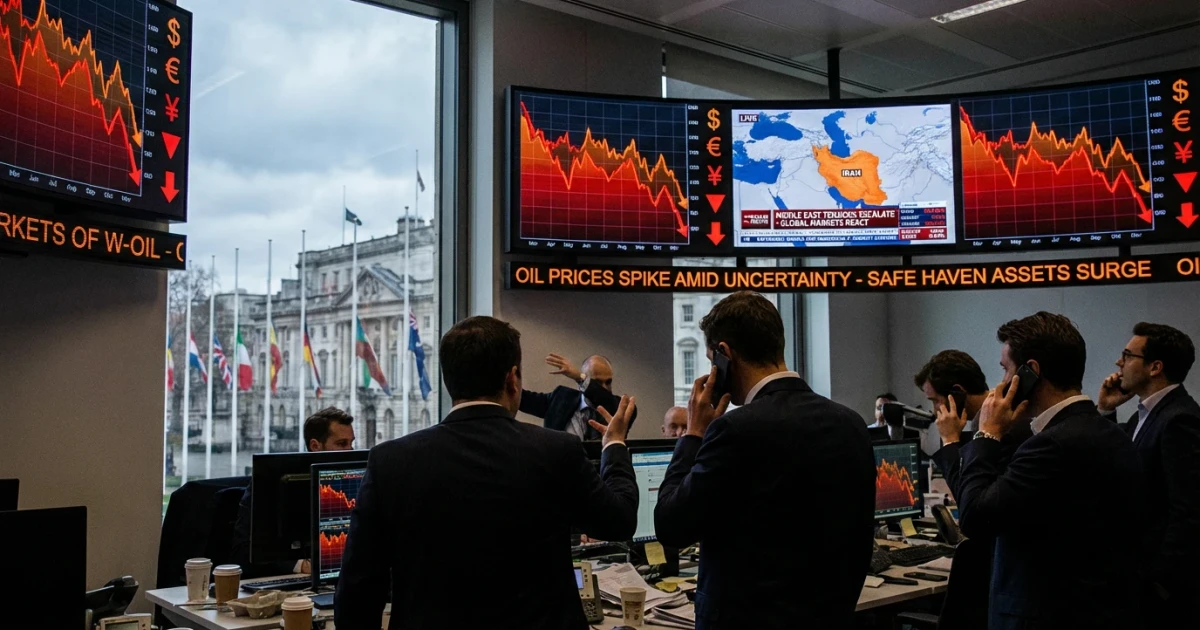
Escalating conflict in Iran is sending shockwaves through the world’s largest financial markets, causing heightened volatility, dramatic swings in oil prices, and renewed uncertainty for investors and policymakers worldwide.
Global Markets React to Iran Tensions
As reported by Reuters, the ongoing war in Iran has become a significant source of market turbulence. Recent weeks have seen major stock indices across the United States, Europe, and Asia experience sharp declines and subsequent rebounds, reflecting widespread investor anxiety. According to live data from Investing.com, leading indices have posted some of their widest daily swings in recent years as traders react to headlines from the Middle East.
- The CBOE Volatility Index (VIX), commonly viewed as Wall Street’s ‘fear gauge’, has spiked to levels not seen since the early 2020s, indicating increased expectations of short-term market turbulence. Historical and current VIX data is available via the Federal Reserve Economic Data portal.
- Global stock market data from Bloomberg Markets shows that the S&P 500, FTSE 100, and Nikkei 225 have all registered multiple days of losses exceeding 2% since the conflict escalated.
Oil Prices and Energy Markets Under Pressure
The oil market, highly sensitive to Middle East developments, has been particularly affected. Iran’s strategic position as a major oil producer and its proximity to global shipping lanes mean that disruptions have an outsized impact. Reuters notes that Brent crude prices surged above $100 per barrel in the immediate aftermath of the latest hostilities, before pulling back amid shifting headlines and diplomatic efforts. Official weekly data on Brent crude oil prices from the U.S. Energy Information Administration illustrates these sharp price movements.
- Trading volumes in energy futures have soared, as documented in ICE Futures Energy Market reports, reflecting both speculative bets and efforts to hedge risk.
- Oil-importing nations face rising costs, while energy exporters outside the region have seen windfall gains.
Currency and Commodity Markets See Sharp Moves
Beyond equities and oil, currency markets are also experiencing heightened volatility. The U.S. dollar and Swiss franc—historically viewed as ‘safe haven’ currencies—have strengthened amid the uncertainty, while emerging market currencies have faced selling pressure. According to CME Group data, trading in currency and gold futures has surged as investors seek to reposition portfolios for greater resilience.
- Gold prices have rallied above key psychological levels, as investors search for alternatives to riskier assets.
- Geopolitical risk premiums are also reflected in higher prices for insurance-like derivatives and options across asset classes.
Market Participants Adjust Strategies
Reuters reports that financial firms and asset managers are rethinking their strategies in response to the war-driven volatility. Many are emphasizing ‘grind lower’ trades—betting on gradual declines rather than sudden crashes—as the effects of the conflict are expected to persist. Both short-term traders and long-term investors are seeking ways to balance the risk of sudden escalations with the possibility of diplomatic breakthroughs.
Broader Economic Implications
Beyond immediate market turbulence, the Iran conflict has raised concerns about broader economic impacts. The International Monetary Fund’s World Economic Outlook highlights that extended volatility in energy prices can dampen global growth, increase inflation, and strain the finances of oil-importing countries. Research from the Bank for International Settlements also shows that geopolitical risks often lead to more persistent market uncertainty and risk aversion among investors.
Looking Ahead
With no immediate resolution to the Iran conflict in sight, analysts expect continued volatility across global financial markets. Investors and policymakers will be closely watching both the geopolitical situation and signals from central banks as they navigate this complex environment.