World
Iran deal delays nuclear issues, eases sanctions and oil fears
The opening terms of the U.S.-Iran framework handed Tehran immediate economic relief and left the central nuclear question for later. The draft memorandum would ease sanctions on Iranian oil sales, release about $25 billion in frozen Iranian assets, and set up a path to reopen the Strait of Hormuz, the narrow waterway that carries roughly one-fifth of the world’s oil and gas shipments.
That bargain was not a final treaty. It was described as an initial memorandum or framework, with the hardest issues, especially Iran’s nuclear program and its stockpile of highly enriched uranium, pushed into a second round of negotiations over the next 60 days. In the first phase, Iran would agree not to produce or acquire nuclear weapons, while the details of dilution or removal of enriched uranium would be left to later talks. The ceasefire extension in the same framework was also reported to run 60 days, including in Lebanon, underscoring how much was deferred even as the sides claimed momentum.
The timing mattered as much as the terms. Formal signing was expected in Geneva, Switzerland, on June 19, and the talks came after more than three months of conflict and weeks of stop-start negotiations. The reported package also included technical discussions before any final signature, a sign that shipping access, verification, and implementation remained unresolved even as the broad political outline took shape.
Markets moved immediately. Oil prices fell on the news, and global equities rose as investors bet that the Strait of Hormuz could reopen and ease fears of a wider disruption in energy supplies. Some Western and regional governments welcomed the arrangement as a step toward de-escalation, while Israel had no immediate reaction and had said it was not party to the U.S.-Iran talks.
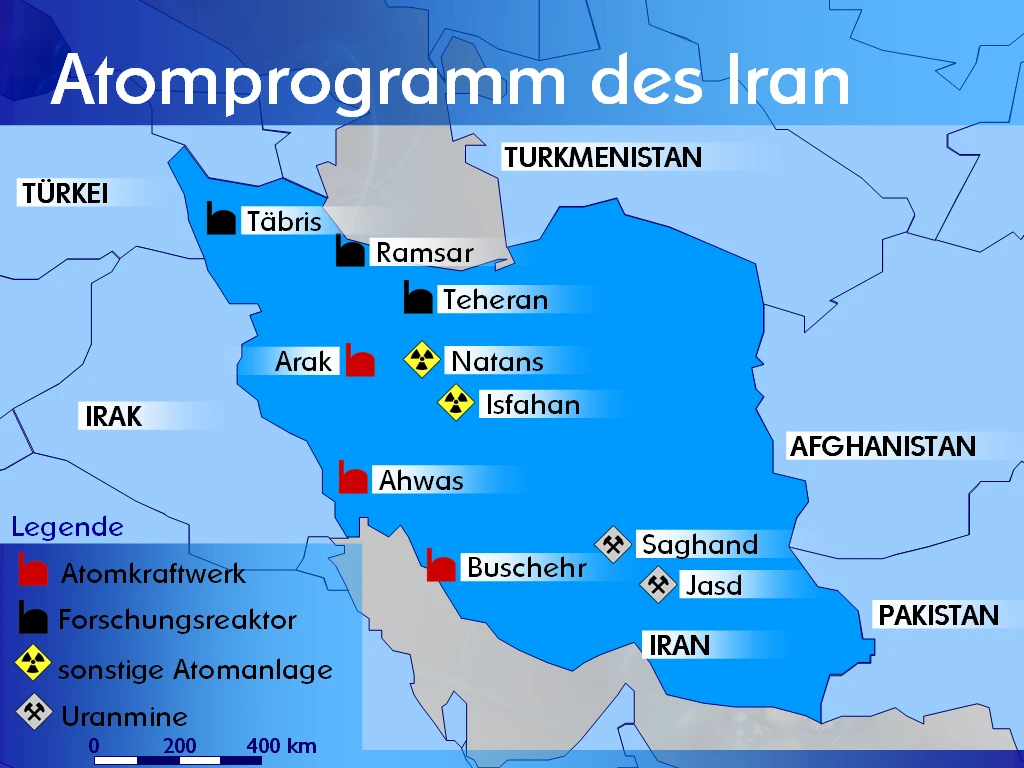
The structure of the deal left the central tension intact: Iran received real and immediate economic benefits, while the most sensitive security concessions were postponed. That may give negotiators room to convert a fragile pause into a durable accord, but it also means the next 60 days will determine whether the framework builds leverage for a final settlement or spends it too early.
Sources
- [1]nytimes.com
- [2]usnews.com
- [3]al-monitor.com
- [4]cnbc.com
- [5]apnews.com
- [6]timesofisrael.com