World
Iran delays Khamenei funeral for months amid wartime security fears
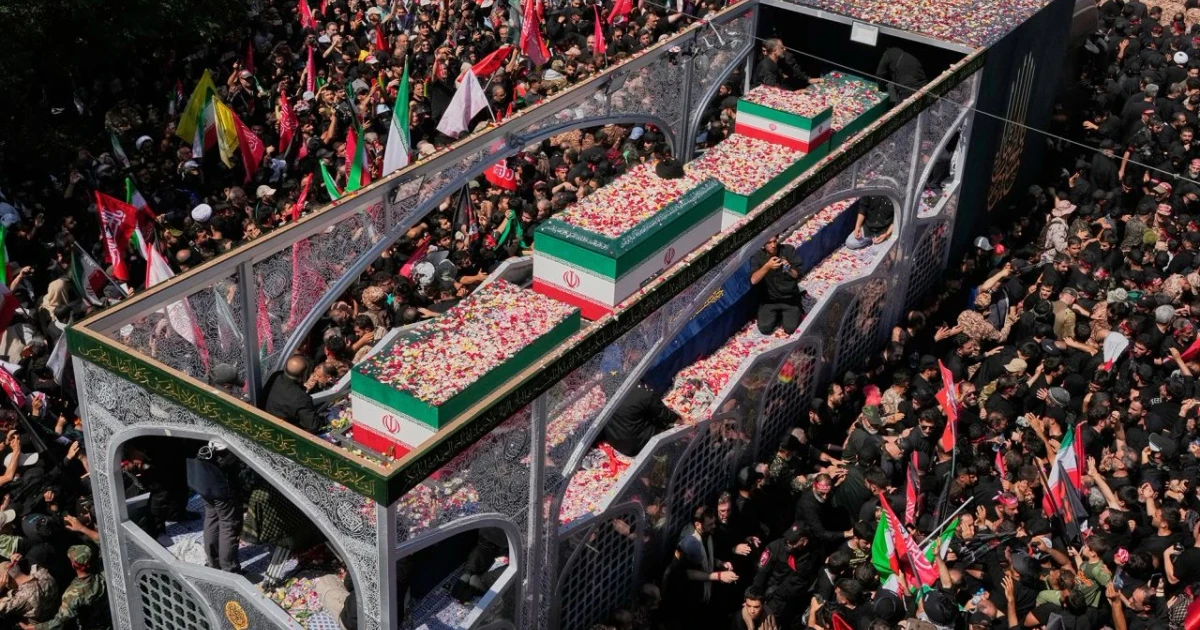
Iran is set to bury Ayatollah Ali Khamenei on July 9, 131 days after he was killed in Feb. 28 joint U.S.-Israeli airstrikes, after keeping his remains in refrigerated cold storage rather than chemically embalming them. Iranian authorities said the handling complied with religious and legal standards, even as the delay stretched far beyond standard Islamic burial practice and exposed how far security concerns overrode ritual.
The funeral was being staged as a multi-day ceremony across Tehran, Qom and Mashhad, with burial expected at the Shrine of Imam Reza in Mashhad. Iranian officials and state-linked reports said millions were expected to attend, turning the event into both a mourning ritual and a public demonstration of regime strength. The scale also made the ceremony a test for Iran’s new leadership after Khamenei’s death, with the succession unfolding under intense pressure to project order.
The delay has drawn criticism and satire across Iranian social media, where users have questioned the circumstances of the burial and the condition of the remains after months in storage. An Iranian official defended the handling by saying, “The bodies were protected with utmost respect and in compliance with religious and legal standards.”
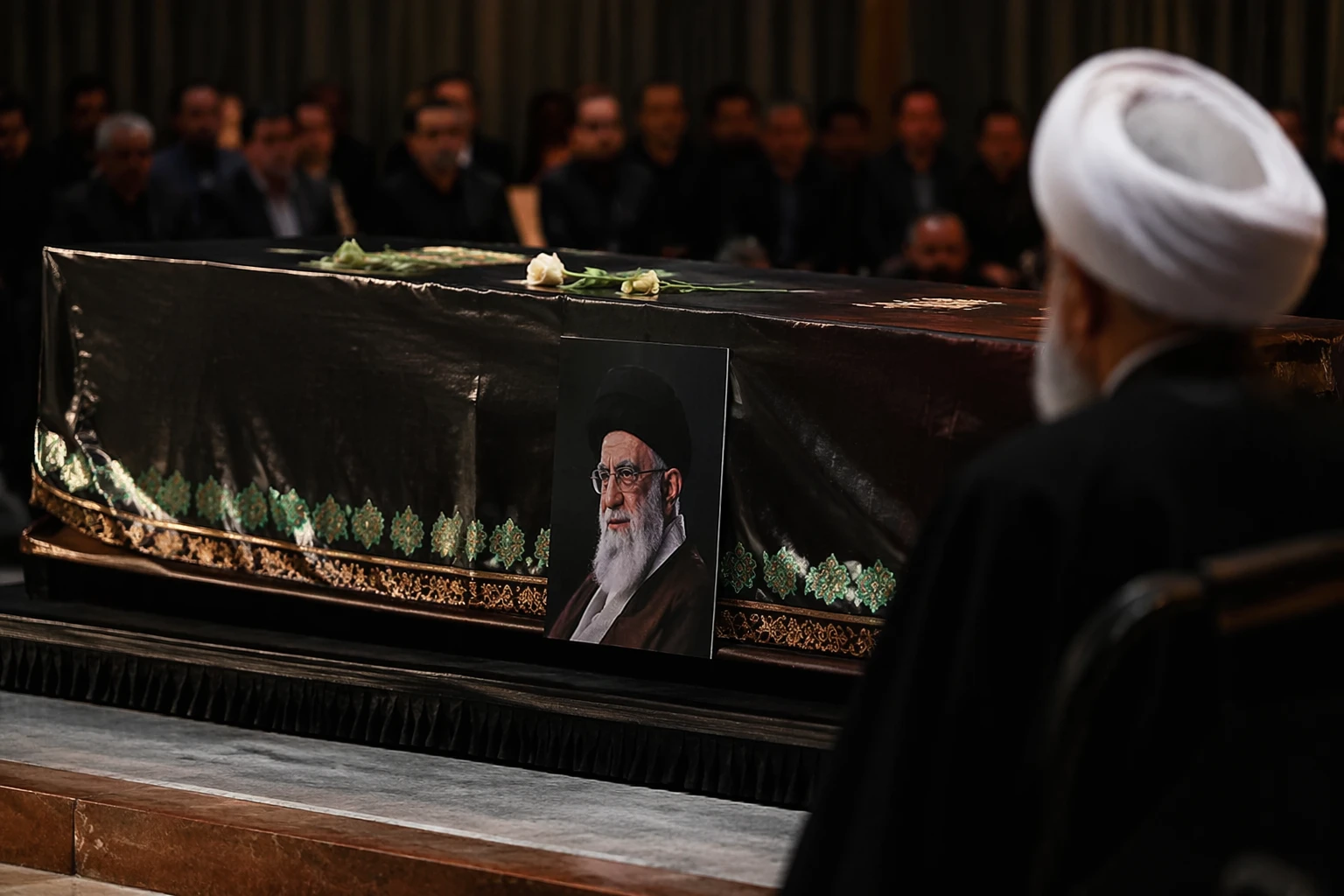
Islamic scholars and other observers have treated the 131-day gap as extraordinary. In Islamic practice, burial is normally carried out quickly, not left pending for months, and analysts linked the long postponement to fear of a crowd crush, a security incident or an uncontrollable public gathering at a moment of war. The government said active wartime conditions made a mass ceremony too risky.
The concern was not theoretical. Iran’s ruling system has been shaken before by funerals that drew enormous crowds, including Ayatollah Ruhollah Khomeini’s burial in 1989 and the 2020 funeral for Qasem Soleimani, both of which underscored the danger of unmanaged mass turnout. By stretching Khamenei’s funeral over days and across multiple cities, authorities appeared determined to avoid any repeat of a deadly crowd disaster while keeping the optics tightly controlled.
That balance, between religious obligation and political stage-management, has made Khamenei’s burial more than a funeral. It is a measure of how much power the state can still impose on mourning, and how much fear now shapes the rituals of the Islamic Republic.
Sources
- [1]nytimes.com
- [2]iranintl.com
- [3]apnews.com
- [4]nbcnews.com
- [5]timesnownews.com