World
Iran denies agreeing to nuclear inspections after U.S. talks
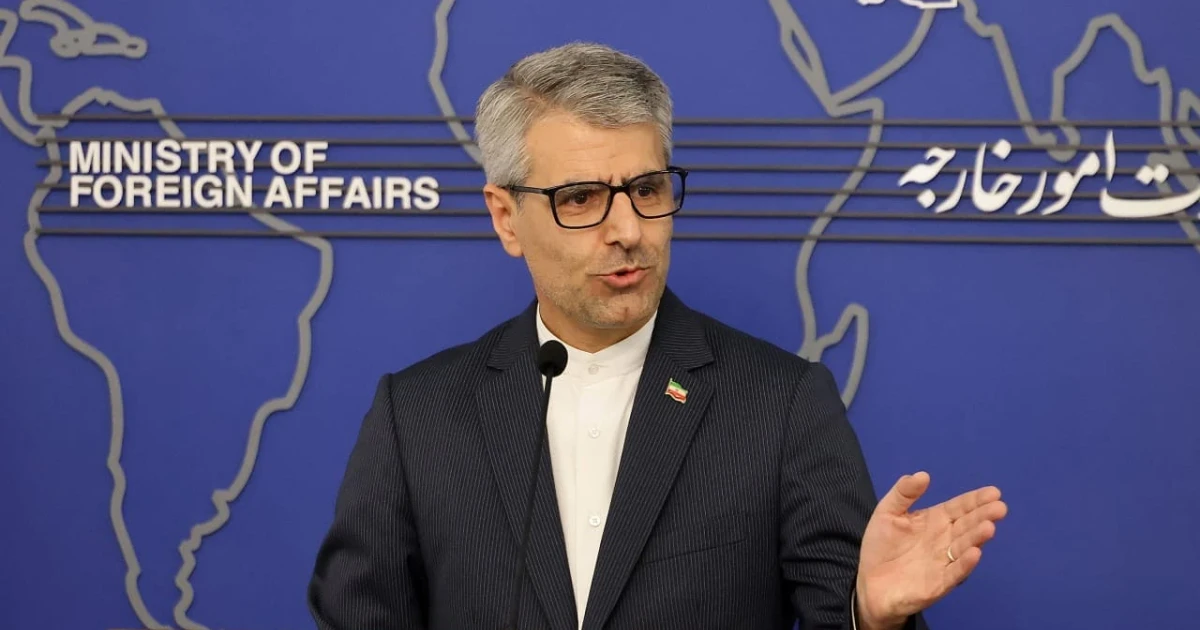
Iran moved quickly to deny that it had accepted a return of United Nations nuclear inspectors, sharpening a dispute with Washington over both the state of its atomic program and the future of the Strait of Hormuz. Foreign Ministry spokesman Esmaeil Baghaei said there were no plans for International Atomic Energy Agency inspections of damaged nuclear sites, pushing back after Vice President JD Vance said inspectors would be invited back soon.
The disagreement matters well beyond the negotiating table. The Strait of Hormuz is one of the world’s most important oil chokepoints, and the latest brinkmanship has already shown how quickly a security crisis there can spill into household costs. CNN reported that the 2026 standoff helped trigger a major oil shock, with U.S. gasoline prices rising by more than $1 per gallon in six weeks and at one point averaging above $4.10.
The back-and-forth followed U.S.-Iran talks in Switzerland and a broader ceasefire framework tied to reopening the strait and resuming nuclear negotiations. CBS News reported that President Donald Trump threatened to “obliterate” Iranian power plants if Hormuz was not reopened within 48 hours, while Iranian military officials warned that the strait could be closed completely if Washington carried out its threats. That exchange underscored how quickly leverage at sea can become leverage over diplomacy.
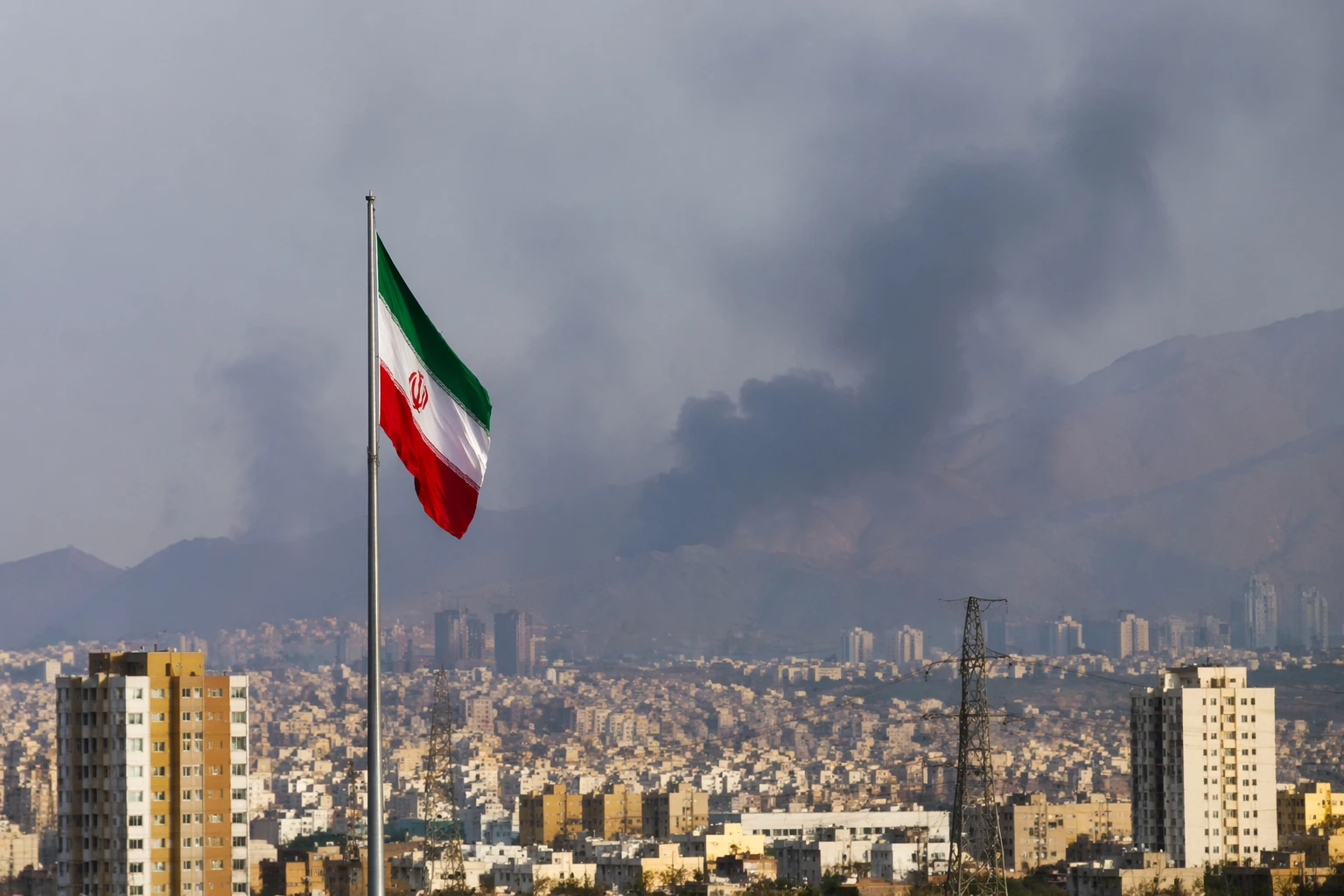
At the center of the nuclear dispute is whether Tehran agreed to restore access for IAEA inspectors after the June 2025 strikes on Iranian nuclear sites. The agency said those attacks interrupted safeguards inspections and sharply degraded nuclear safety and security. Rafael Mariano Grossi, the IAEA director general, warned that the strikes had severely damaged the monitoring environment, and the agency said it was continuing to closely assess the sites at Arak, Esfahan, Fordow and Natanz.
Iran has been under heavier scrutiny because it remains a signatory to the Nuclear Nonproliferation Treaty, and the IAEA’s access has long been central to efforts to verify the program. Reuters-linked reporting has said a 2015 deal between Iran and six world powers, the United States, China, France, Russia, Germany and the United Kingdom, allowed IAEA inspections across Iranian nuclear sites, but that access deteriorated after the United States withdrew from the accord in 2018. Current reporting has also pointed to an unresolved stockpile of highly enriched uranium, described as about 970 pounds, enough if further enriched for multiple weapons.
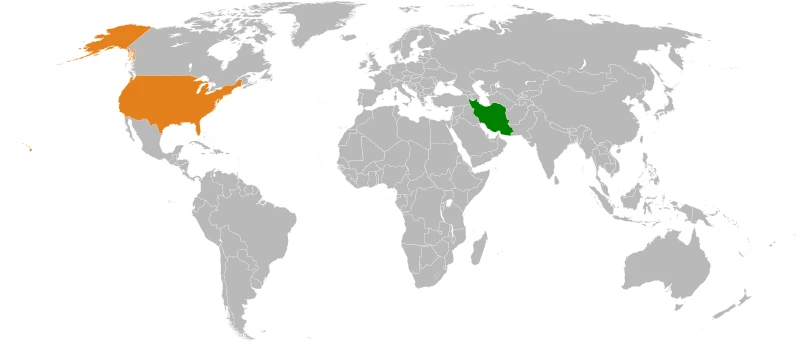
For now, the immediate question is whether the ceasefire framework can hold long enough to reopen the strait and revive inspections. Without that, the region remains exposed to a familiar pattern: nuclear opacity, shipping risk and a market response that reaches far beyond the Gulf.
Sources
- [1]news.google.com
- [2]cbsnews.com
- [3]nytimes.com
- [4]upi.com
- [5]iaea.org
- [6]cnn.com
- [7]al-monitor.com