World
Iran denies scheduled U.S. talks in Qatar after Trump announcement
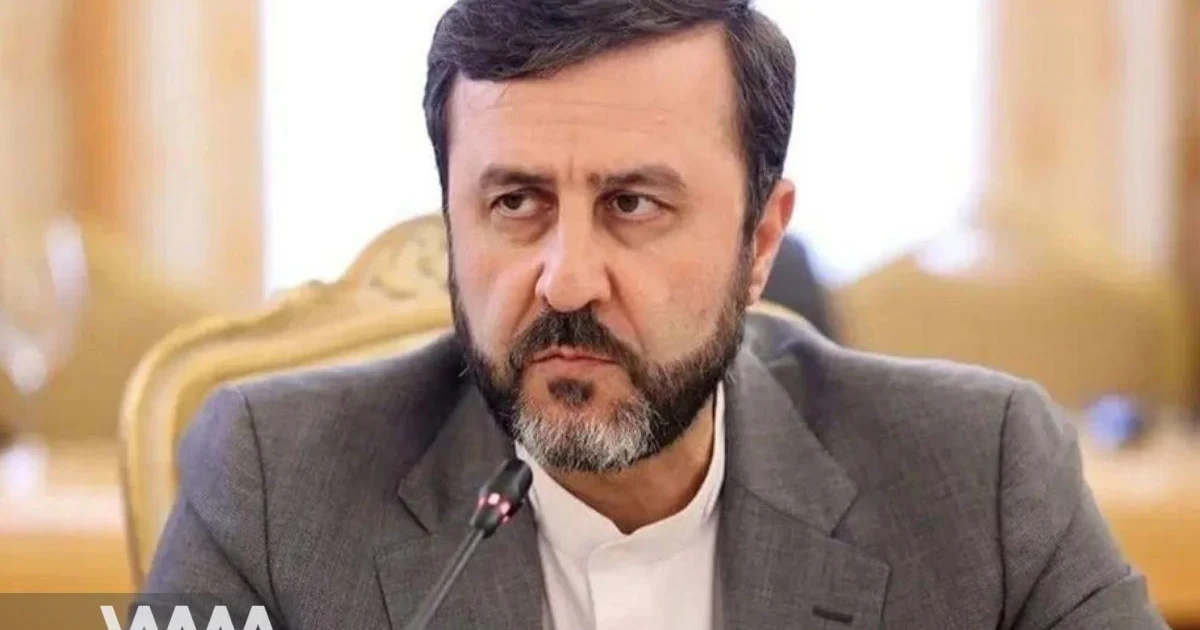
Iran moved quickly to undercut Donald Trump’s announcement of U.S.-Iran talks in Doha, with senior negotiator Kazem Gharibabadi saying no meeting had been scheduled even as the White House said two senior U.S. figures were on their way to Qatar. Trump said on Monday, June 29, 2026, that the talks would take place Tuesday, June 30, in Doha after what he described as a request from Tehran.
Karoline Leavitt, the White House press secretary, said Steve Witkoff and Jared Kushner were flying to Qatar for the meeting. Tehran did not confirm any session, turning the next-day diplomatic calendar into a contest over credibility as much as substance. The split exposed how little public alignment existed between Washington and Tehran even after four days of trading strikes that had strained a fragile interim U.S.-Iran deal.
That interim arrangement, reached earlier in June 2026, required Iran to dilute its stockpile of enriched uranium and gave both sides 60 days to negotiate broader agreements. Those talks were supposed to keep the crisis from spilling into a wider confrontation, but the weekend fighting pushed the process in the opposite direction. Iranian officials said the escalation followed attacks in the Persian Gulf and that Tehran had targeted U.S. military sites in Kuwait and Bahrain.

The stakes were not limited to diplomacy. U.S. officials said the pause in hostilities could allow vessels to move freely again in the Strait of Hormuz, the narrow waterway through which about one-fifth of the world’s oil had been shipped before the war. Any durable calm in that chokepoint would matter immediately to global energy markets and to shipping traffic already rattled by the exchange of strikes.
Masoud Pezeshkian added another layer of leverage to the moment, saying Monday that $6 billion in frozen Iranian assets would be released by Qatar. Real movement toward talks would have shown up in matching confirmations from both capitals, a settled agenda, and a clear delegation on each side. Instead, the public signals pointed to a familiar post-strike pattern: one side announcing momentum, the other refusing to validate it.
Sources
- [1]cbsnews.com
- [2]usnews.com
- [3]pbs.org
- [4]thehindu.com
- [5]apnews.com
- [6]time.com