World
Iran Dismisses US Peace Plan as Talks Remain Stalled
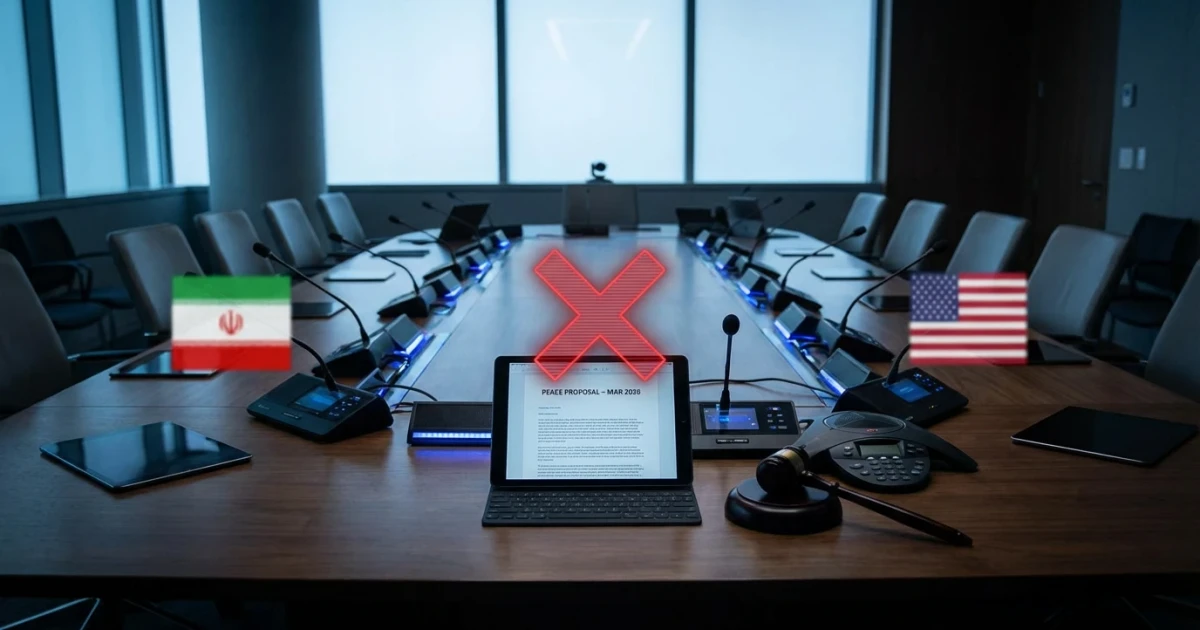
Iran has formally rejected a US proposal aimed at ending the ongoing war, with top officials calling the plan 'one-sided' and leaving international observers uncertain about the future of peace negotiations. The move, reported by The Washington Post and Reuters, underscores the deep divisions between Washington and Tehran, despite mounting pressure for a diplomatic breakthrough as the conflict enters its twenty-sixth day.
The Proposal and Iran’s Response
According to The Washington Post, the Trump administration recently advanced a proposal designed to halt hostilities and initiate a roadmap toward broader negotiations. However, Iranian officials quickly dismissed the offer, characterizing it as heavily favoring US interests and failing to address their national security concerns. Reuters reported that Tehran described the initiative as 'one-sided,' further fueling skepticism over Washington’s intentions and commitment to a balanced peace process.
- Iran’s leadership signaled that the proposal lacked meaningful guarantees for their security and did not offer relief from existing sanctions.
- The US plan was intended as both a ceasefire framework and a pathway to resume direct talks, but Iran’s rejection has left the timeline for further negotiations in doubt.
Stalemate in Diplomatic Channels
The status of backchannel and official diplomatic talks now appears unclear, with both sides expressing frustration over the lack of progress. The Washington Post noted that while the United States is eager to secure a deal to halt the fighting, Iranian leaders remain wary of what they see as American attempts to dictate terms without adequate concessions.
This standoff follows a pattern observed in previous rounds of US-Iran negotiations. The International Crisis Group’s timeline of Iran–US relations highlights repeated cycles of proposals and rejections, often stalling over issues such as sanctions relief, regional security guarantees, and verification measures.
Regional and International Impact
The impasse comes amid ongoing humanitarian concerns as the conflict continues to disrupt civilian life and regional stability. Data from the UN Office for the Coordination of Humanitarian Affairs illustrates the growing toll on civilian populations in the Middle East, with displacement, casualties, and shortages of basic necessities escalating as fighting drags on.
Meanwhile, the implementation of UN Security Council sanctions continues to play a major role in shaping Iran’s negotiating stance. Iranian officials have consistently demanded that any peace framework include a clear path to lifting economic restrictions, a point that remains a sticking issue with Washington.
Analysis: What Lies Ahead for Peace Talks?
The rejection of the US proposal highlights the difficulties in bridging the gap between the two sides. Analysts suggest that, barring a significant shift in either party’s position, the diplomatic stalemate is likely to persist, prolonging both the conflict and its humanitarian consequences.
While the United States has expressed willingness to continue pursuing a negotiated settlement, Iranian officials have indicated that they expect future proposals to address their core concerns, including sanctions and regional security arrangements. The lack of trust, rooted in years of confrontation and accusations of regional interference, complicates efforts to restart meaningful talks.
As the war surpasses its twenty-sixth day, international observers are closely monitoring both capitals for any signs of compromise or renewed diplomatic engagement. For now, however, the prospects for a swift resolution remain uncertain, with the lives of millions in the region hanging in the balance.