World
Iran escalates Gulf attacks as Hormuz fears rattle oil markets
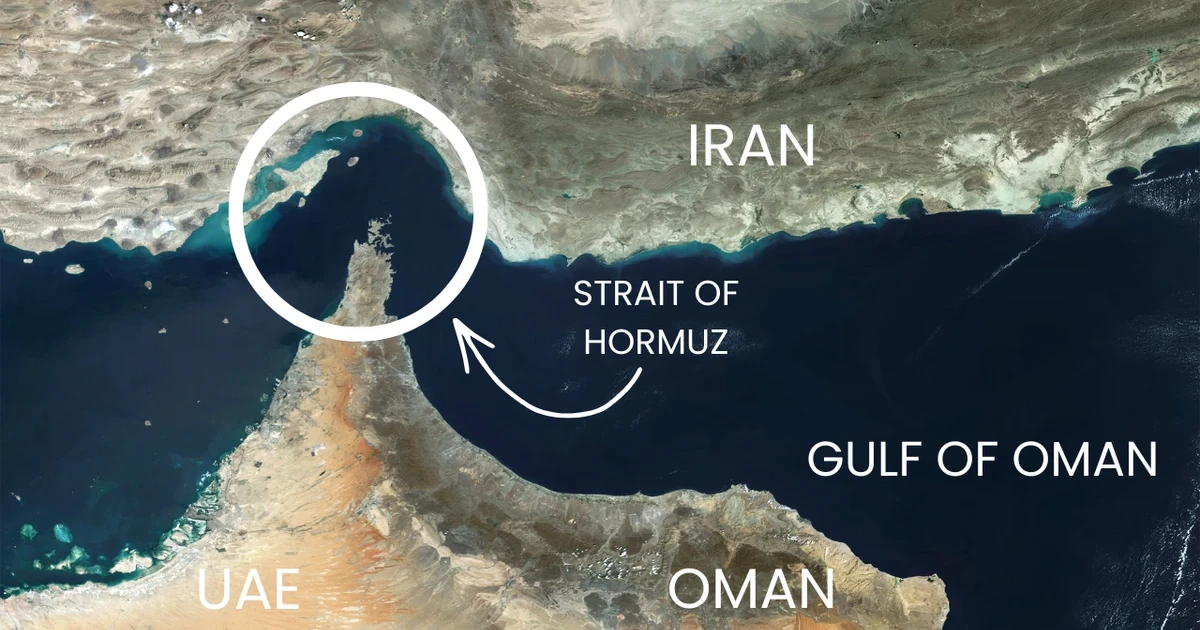
Oil prices rose about 5% after Iran and U.S. forces traded missile and drone attacks across the Gulf, with benchmark crude moving back toward $80 a barrel as Tehran claimed it had closed the Strait of Hormuz and Washington rejected that claim. The fighting centered on the waterway that carries about 20% of global oil shipments and has become the sharpest point of pressure in a crisis now stretching into a second week.
Iran launched strikes targeting U.S. facilities in Qatar, Bahrain, Kuwait, Oman, the United Arab Emirates and Jordan. Qatar said it intercepted incoming Iranian fire, and Jordan said its military shot down Iranian missiles over its territory. Three people, including a child, were injured in Qatar by falling shrapnel, and Kuwait reported damage to an offshore drilling platform. The spread across so many Gulf states turned a shipping dispute into a regional security emergency, with civilian risk rising alongside the threat to energy infrastructure.
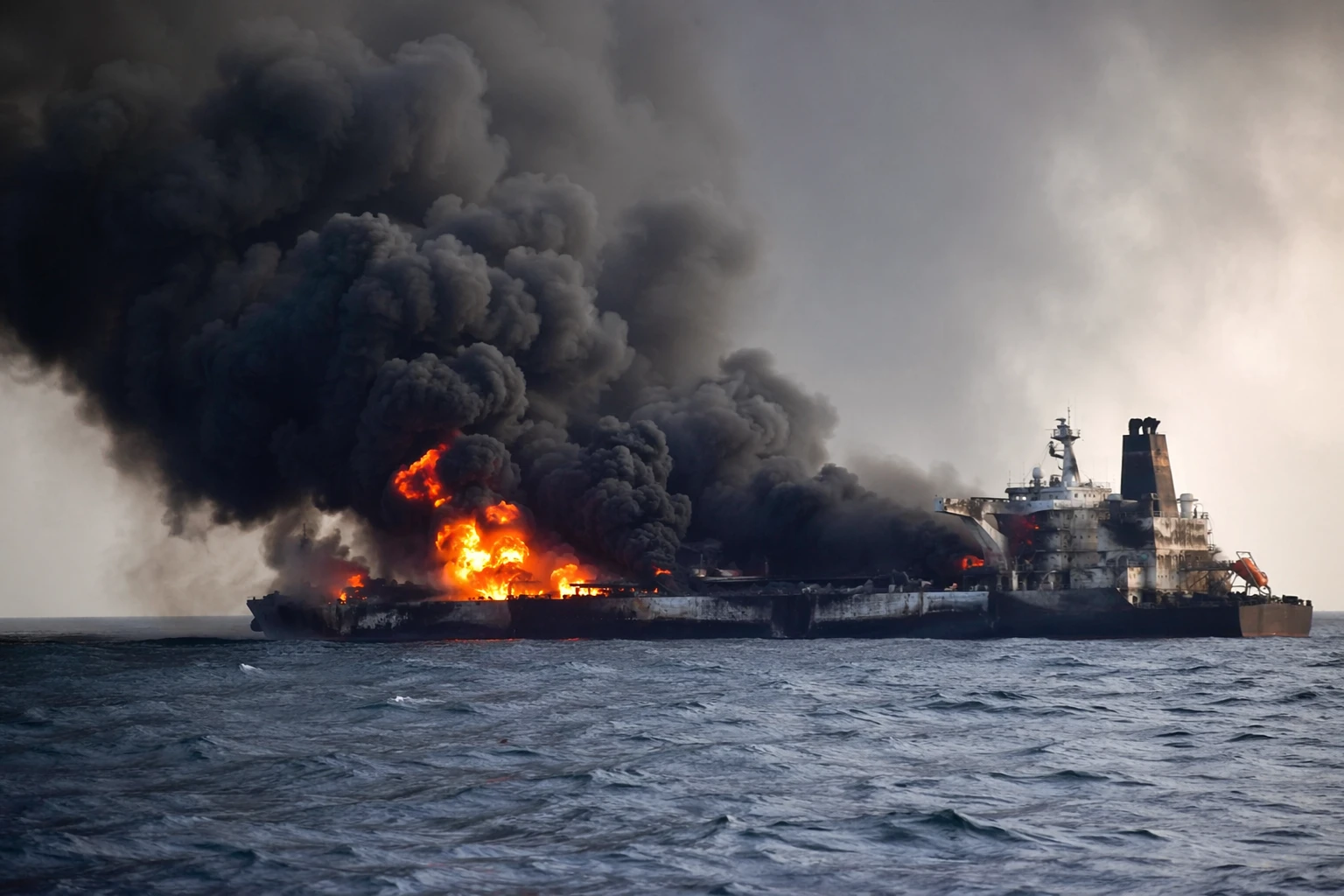
The U.S. military said it was continuing operations to degrade Iran’s ability to threaten shipping, while the United States said Iran did not control the Strait of Hormuz and had not successfully shut it. That matters because the strait is not just a symbol of confrontation. It is the practical bottleneck for the world’s oil markets, and any sustained disruption would hit tankers, insurers, refiners and consumers far beyond the Gulf.
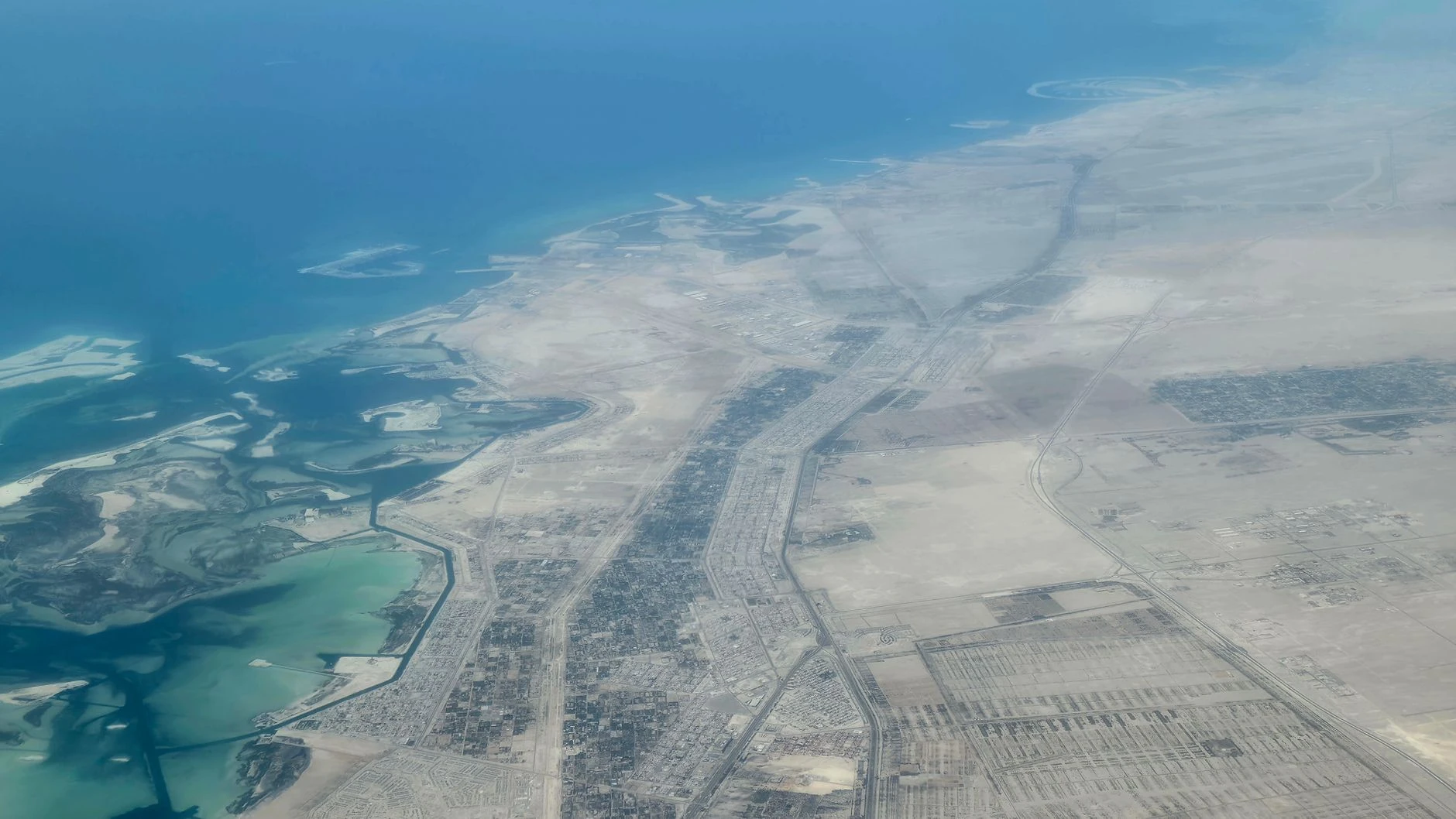
Diplomacy, however, never stopped entirely. Talks in Doha earlier in July focused on implementing a ceasefire framework and on shipping arrangements in the Strait of Hormuz, and Iranian and Omani officials met in Muscat on July 12 to discuss transit routes. The United Nations has urged Iran and the United States to urgently resume negotiations and avoid further escalation, even as Iranian officials argued that the latest U.S. attacks had made diplomacy futile.
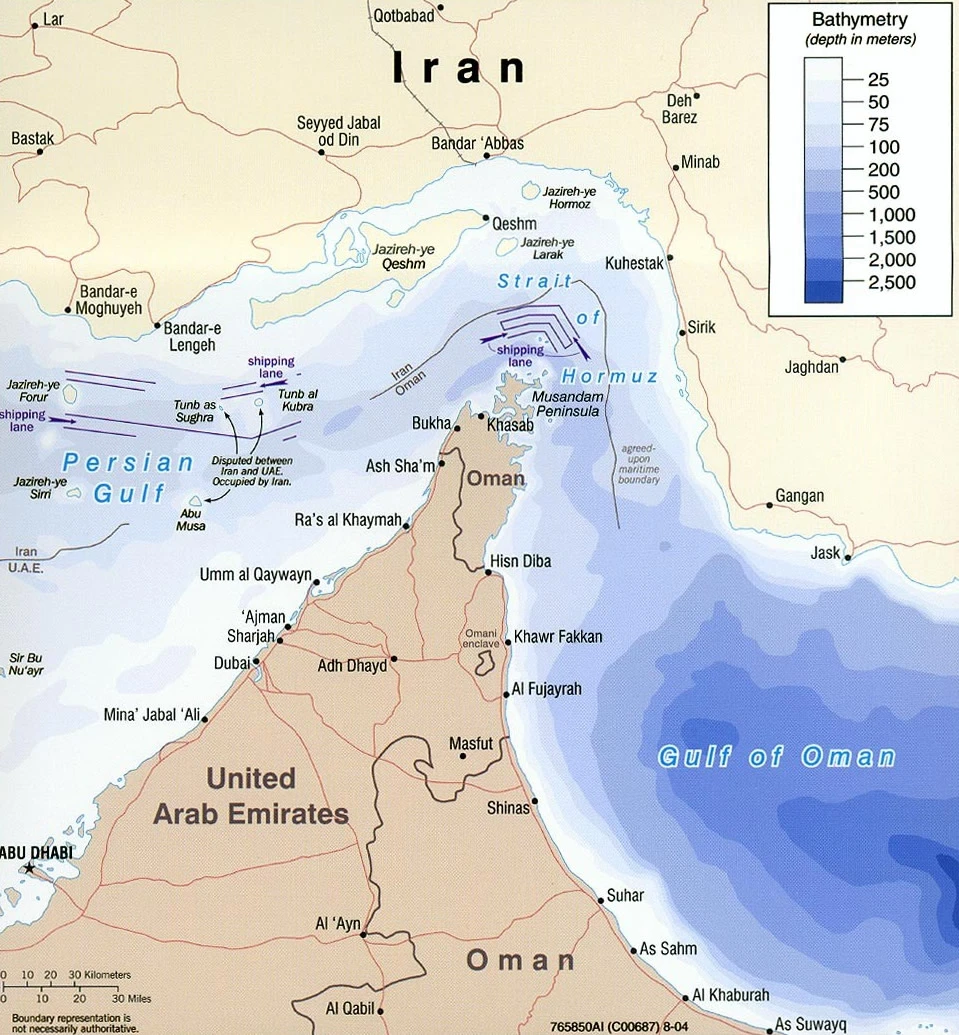
That contradiction has defined the latest phase of the crisis: strikes intensify while channels stay open. An interim U.S.-Iran understanding reached in June was meant to reopen the strait and keep negotiations alive, but repeated attacks on ships and retaliatory strikes have left the arrangement fragile and the route through Hormuz under constant strain.
Sources
- [1]cbsnews.com
- [2]news.un.org
- [3]usnews.com
- [4]aol.com
- [5]aljazeera.com
- [6]al-monitor.com
- [7]gulfnews.com