World
Iran Faces Continued Strikes Amid Escalating Regional Conflict
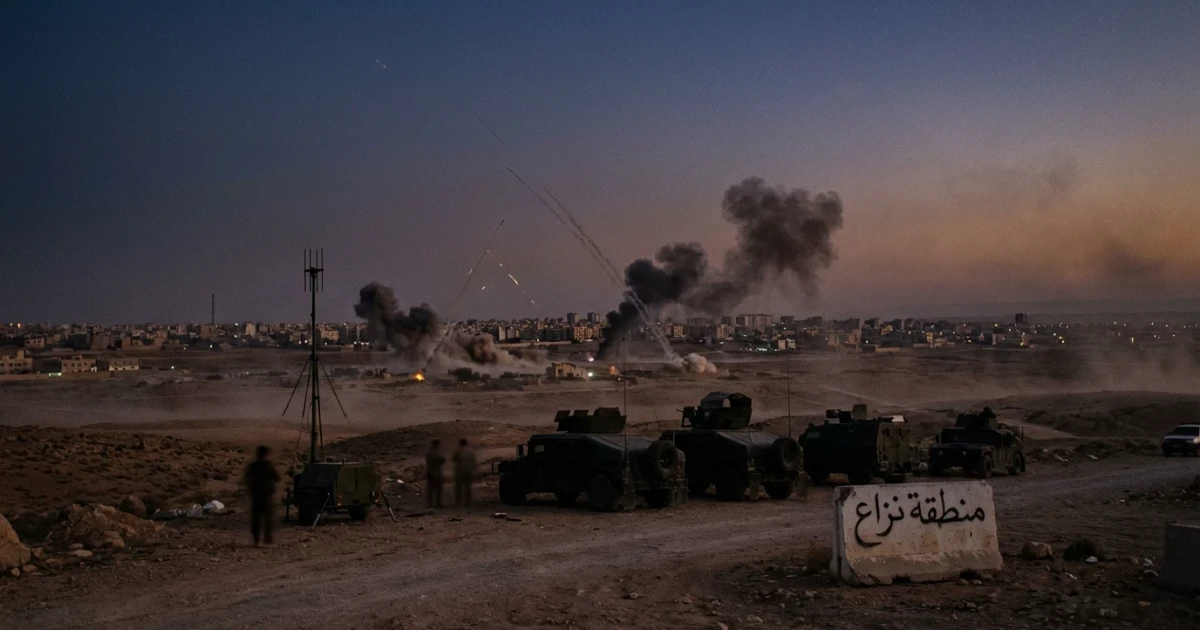
Iran remains under intense pressure as day 16 of coordinated US and Israeli attacks continues, further heightening tensions across the Middle East. According to Al Jazeera, the ongoing military campaign has inflicted significant damage on Iranian infrastructure and military assets, while also deepening concerns about wider regional instability.
Escalating Conflict and Military Operations
The Iran-Israel conflict has intensified following a series of strikes targeting key Iranian positions. Al Jazeera reports that critical military installations and command centers have been hit in recent days, with explosions reported in multiple provinces. The coordinated nature of the US and Israeli operations marks a significant escalation, as both nations aim to degrade Iran’s military capabilities and limit its regional influence.
- Al Jazeera notes dozens of airstrikes have targeted Iranian air defense systems, missile sites, and supply depots.
- Damage assessments remain ongoing, but initial reports indicate substantial losses for Iran’s military infrastructure.
- The strikes have triggered additional security measures across the region, including heightened alert levels in neighboring countries.
Humanitarian Impact and Civilian Concerns
While the primary targets are military, the UN Office for the Coordination of Humanitarian Affairs (OCHA) and local sources have raised alarms about the conflict’s humanitarian consequences. Disruptions to essential services, including electricity and water supplies in affected areas, have intensified hardships for civilians. Reports indicate that medical facilities are struggling to cope with casualties and supply shortages.
- Thousands have been internally displaced as a result of ongoing strikes.
- Access to humanitarian aid remains limited in several provinces due to security risks.
Regional and International Reactions
The conflict’s escalation has drawn strong reactions from neighboring states and the broader international community. According to analysis from the Council on Foreign Relations, fears of a wider regional confrontation are mounting, with several Middle Eastern governments urging restraint and diplomatic engagement. The United Nations has called for an immediate cessation of hostilities and renewed dialogue to prevent further civilian suffering and destabilization.
Despite these calls, both the US and Israel have signaled their commitment to continued operations until their strategic objectives are met. The Iranian government, meanwhile, has vowed to defend its sovereignty and respond to external aggression, raising concerns about the potential for further escalation.
Background and Underlying Tensions
This latest surge in conflict is rooted in longstanding tensions between Iran and its regional adversaries. Over the past decade, Iran’s support for various proxies and armed groups has contributed to a complex web of rivalries, with the US and Israel viewing Tehran’s activities as a direct threat to stability and security in the region.
Arms transfers and military buildups have further fueled the crisis. Data from the SIPRI Arms Transfers Database highlight a sustained increase in military capabilities on all sides, underscoring the risks of a prolonged and destructive conflict.
Looking Ahead
As military operations enter their third week, the risks of broader escalation remain high. The humanitarian situation is deteriorating, and diplomatic efforts to defuse the crisis face significant obstacles. For now, Iran continues to endure the effects of sustained airstrikes, while the international community watches closely for signs of either de-escalation or further confrontation.