World
Iran faces pivotal succession after Khamenei’s death as mourning continues
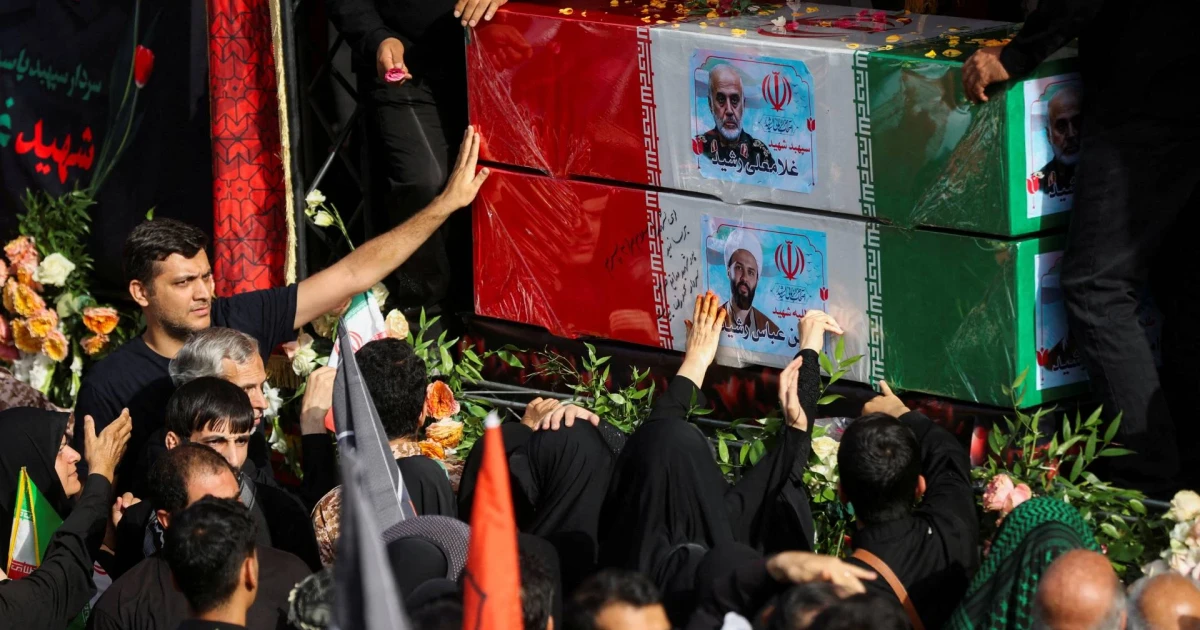
Iran’s state funeral for Ali Khamenei stretched to Mashhad on July 9, closing a six-day mourning period after the supreme leader was killed in a joint U.S.-Israeli strike during the war. In Tehran, state television showed a procession that ran for kilometers, while crowds chanted “Death to America” and called for revenge, a public display meant to signal that the Islamic Republic remained intact.
The size of the mourning ceremonies reflected how heavily the system has leaned on mass political ritual. Mourners flooded the capital, and the turnout appeared larger than the 2020 funeral for Islamic Revolutionary Guard Corps commander Qassem Soleimani, which drew more than 1 million people. With Khamenei dead, the succession has become the first real stress test for the clerical state, the Guard, and President Masoud Pezeshkian’s civilian government.
Iran says the transition is moving through the constitutional track laid out in Article 111, which calls for interim leadership and then a decision by the Assembly of Experts. The 88-member clerical body, whose candidates are vetted by the Guardian Council and elected every eight years, holds the formal authority to choose the next supreme leader. In March, Iranian officials announced a three-member transitional council made up of Pezeshkian, judiciary chief Gholam-Hossein Mohseni-Ejei, and Ayatollah Alireza Arafi while the Assembly of Experts selects a permanent successor.
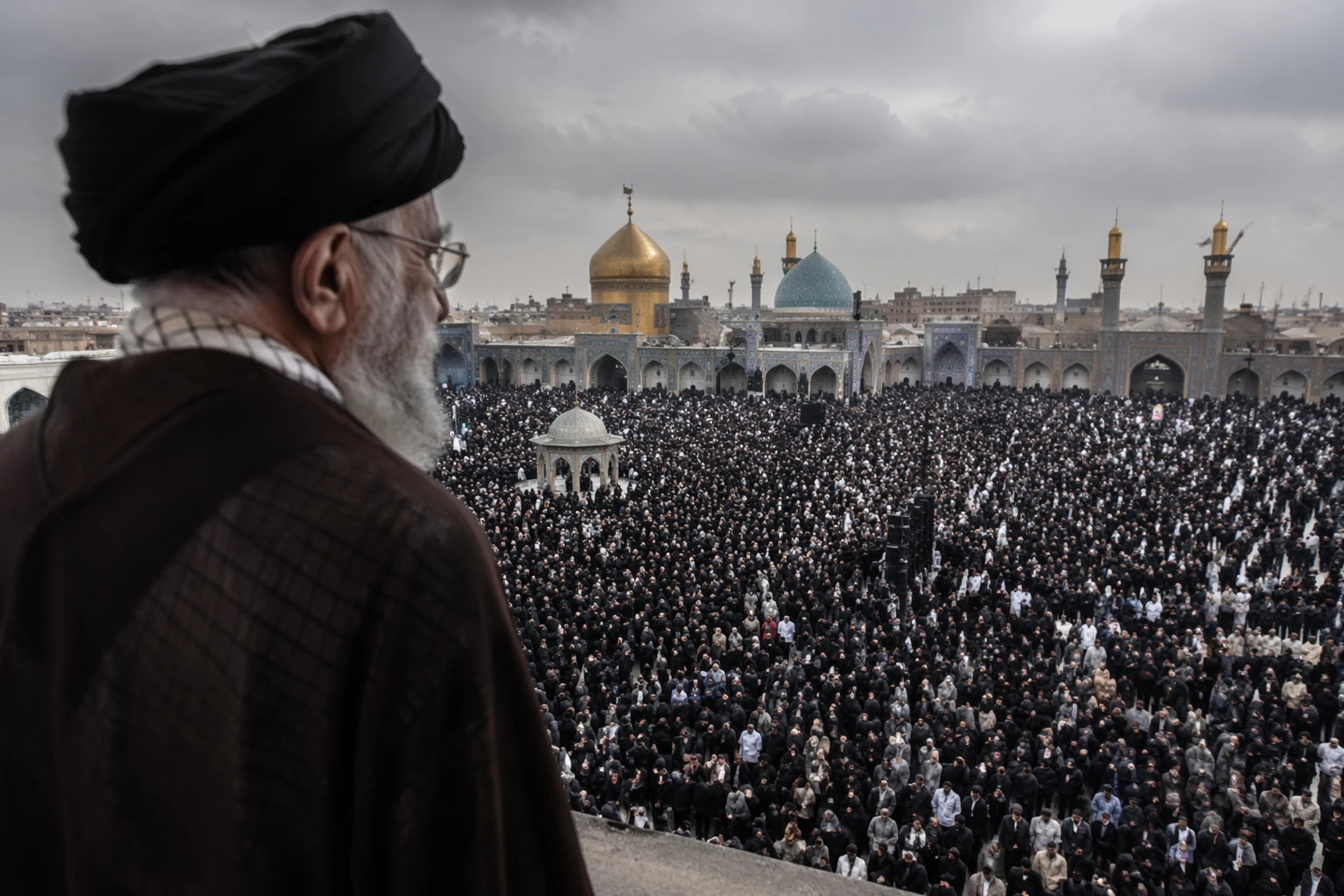
Who emerges from that process will determine how much changes, and how much does not. The supreme leader has been Iran’s highest political and religious authority for nearly 37 years, making this only the second leadership transition in the Islamic Republic’s history. The next leader will inherit decisions on nuclear diplomacy, the country’s regional proxy network, and the state’s tolerance for domestic dissent, all while trying to preserve continuity after the shock of war and assassination.
That balance is already under strain. Public absence by Mojtaba Khamenei at some funeral events has fueled speculation about the secrecy surrounding the succession and the durability of the arrangement now taking shape. Analysts expect the new leadership to face immediate pressure to signal whether Tehran will escalate through allied groups abroad, reopen nuclear talks, or tighten its response to unrest at home.
Sources
- [1]bbc.co.uk
- [2]pbs.org
- [3]aljazeera.com
- [4]cfr.org
- [5]cnbc.com