World
Iran Fires Missile at Kuwait Following U.S. Strikes
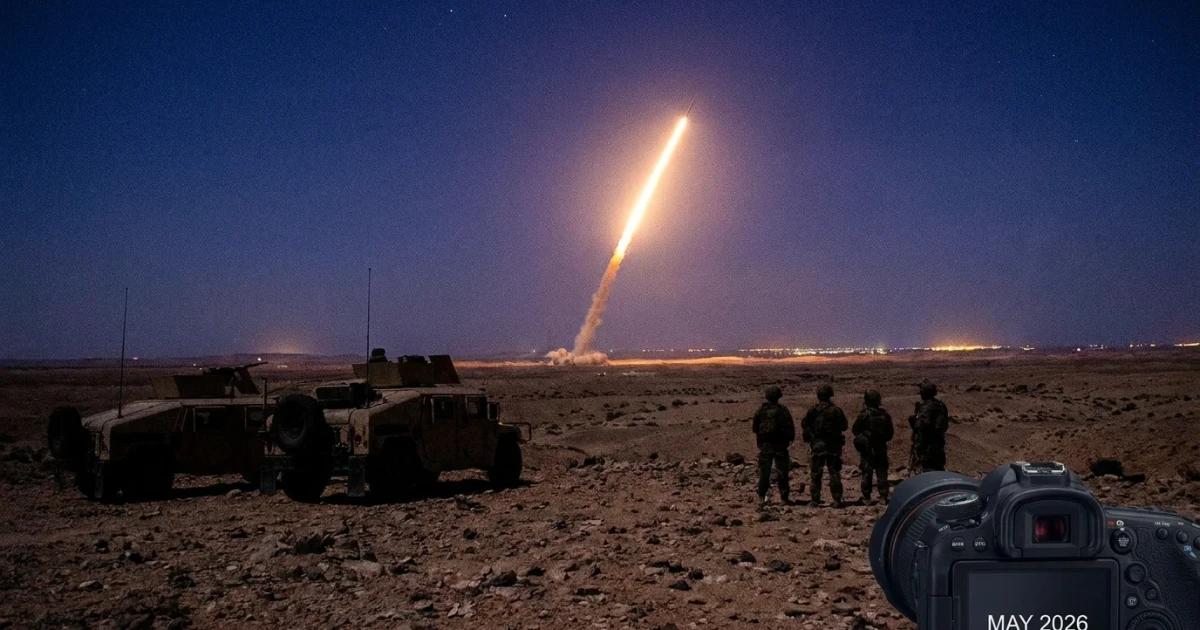
Iran fired a missile at Kuwait in the wake of recent U.S. strikes, intensifying concerns over regional stability and the prospect of further escalation across the Gulf. The incident, reported by CBS News, comes amid heightened tensions between Tehran and Washington, with both sides navigating a complex landscape of military and diplomatic maneuvers.
Missile Launch Raises Regional Tensions
According to CBS News, Iran claimed the missile strike targeted an American base in Kuwait following fresh U.S. military action against Iranian assets. The missile launch marks a notable shift in Tehran's response, as previous retaliations were often limited to proxy actions or indirect engagement. While details about the missile type and extent of damage remain limited, the incident has prompted immediate concerns over the safety of U.S. personnel and Kuwaiti civilians.
- Iran's missile arsenal includes short- and medium-range systems, with varying levels of accuracy and payload capabilities. Readers can explore detailed specifications and deployment history for Iranian missiles.
- Kuwait, a key U.S. ally in the region, hosts several American military installations and has frequently been at the center of Gulf security incidents. Up-to-date humanitarian impact and incident statistics are available from UN OCHA.
U.S. Strikes and Iran's Response
The missile attack follows a series of U.S. strikes targeting Iranian military infrastructure. Washington has justified these actions as necessary to deter further aggression and protect American interests in the region. Iran, in turn, has framed its missile launch as a direct response to what it views as ongoing violations of its sovereignty.
Past U.S. military actions have often resulted in Iranian countermeasures, but the targeting of Kuwait represents a significant escalation. The U.S. Department of Defense regularly publishes official transcripts and data regarding these operations; readers can review recent Pentagon press briefings for further context.
Political Reactions and Diplomatic Fallout
Former President Donald Trump weighed in on the unfolding events, stating the Iranian regime was "negotiating on fumes." His remarks, covered by CBS News, reflect ongoing skepticism about Tehran's capacity to sustain prolonged conflict or diplomatic leverage. The current U.S. administration has not yet issued a formal response, but officials are reportedly assessing both military and diplomatic options.
Iran's actions are likely to draw scrutiny from the UN Security Council, which maintains records and reports on Iranian missile activity and compliance with international sanctions. The Council's future deliberations may shape the trajectory of sanctions or collective security measures in the Gulf.
Broader Implications for Gulf Security
Military analysts note that Iran's willingness to target Kuwait directly signals a potential recalibration of its strategy, possibly aiming to pressure U.S. allies and complicate American military logistics. According to research from the Center for Strategic and International Studies, Iran's missile forces play a central role in its deterrence posture, with a range of capabilities designed to threaten both military and civilian targets across the region. Readers can find an explainer on Iran’s military forces and missile capabilities for deeper context.
The incident underscores the volatile dynamics within the Gulf, where U.S., Iranian, and allied interests intersect. While immediate retaliation from the U.S. or its partners remains possible, diplomatic channels may seek to de-escalate the situation and prevent broader conflict.
Key Takeaways
- Iran fired a missile at Kuwait after U.S. strikes, claiming to target an American base (CBS News).
- Former President Trump described Iran as "negotiating on fumes," underscoring doubts about Tehran's strategic position.
- Missile activity in the Gulf is closely monitored by international bodies, with comprehensive arms transfers data available for further research.
As the situation evolves, regional actors and global powers are watching closely for signs of further escalation or diplomatic engagement. The coming days will likely determine whether tensions can be contained or if the Gulf faces a new phase of instability.