World
Iran fires missiles at commercial ships near Strait of Hormuz
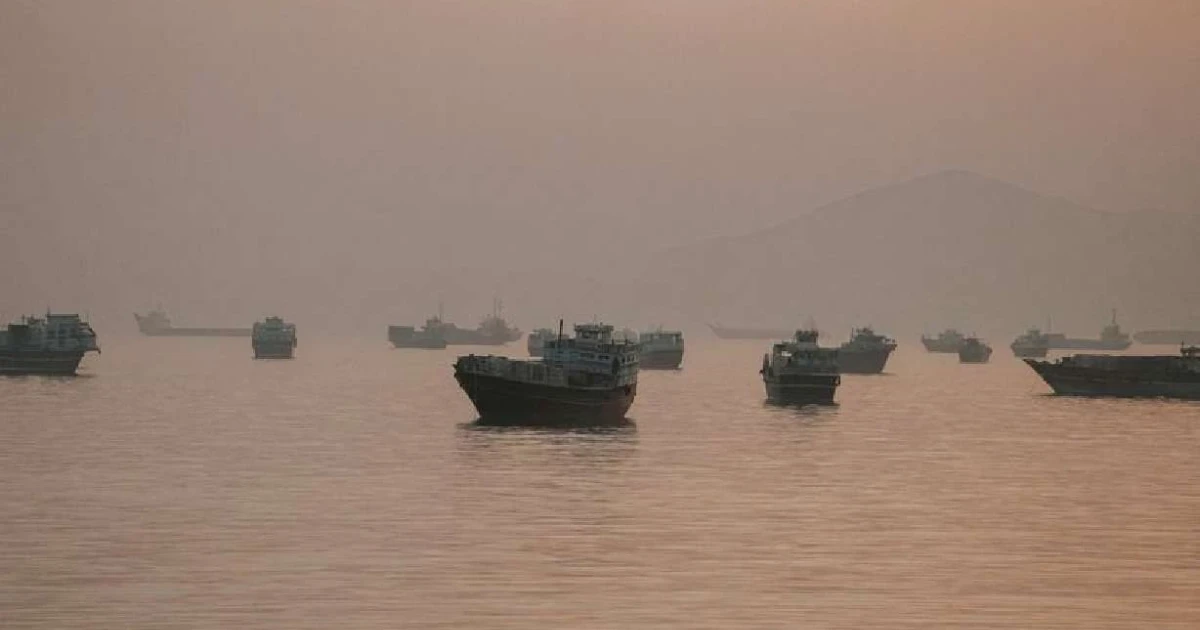
Iran’s Revolutionary Guard Corps fired at least two missiles at commercial ships transiting the Strait of Hormuz Monday night, damaging two vessels and leaving no casualties. The strike landed in one of the world’s most sensitive shipping lanes, where even a brief burst of violence can rattle tanker schedules, raise insurance costs, and unsettle oil markets.
The Strait of Hormuz carried about 20 million barrels of oil a day in 2024, according to the U.S. Energy Information Administration, equal to roughly 20% of global petroleum liquids consumption. The same corridor carried about one-fifth of global liquefied natural gas trade, mostly from Qatar, making the waterway central not only to crude flows but also to gas supply. The International Energy Agency says the strait is the primary export route for oil from Saudi Arabia, the United Arab Emirates, Kuwait, Qatar, Iraq, Bahrain and Iran.
That concentration gives Iran leverage over the world economy even when missiles do not hit the region’s export infrastructure. Traders and shippers have long treated the strait as a pressure point because any threat there can force vessels to slow down, reroute, or wait for military escorts, while insurers reprice risk across the region. Oil prices rose after news of the attack report, reflecting how quickly the market reacts when commercial traffic near Hormuz is put in doubt.
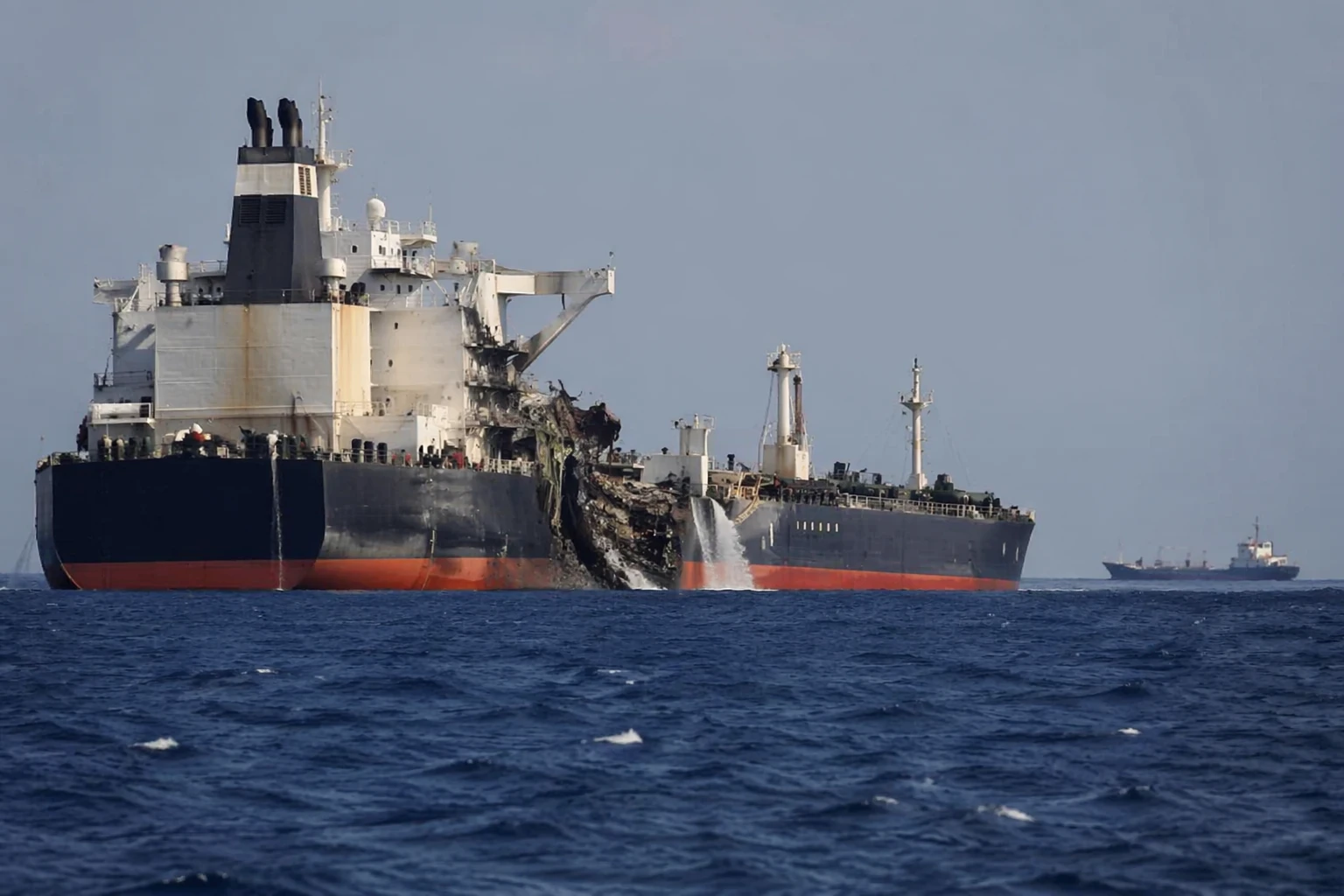
The latest strike also revived memories of earlier attacks on tankers near the same choke point. In June 2019, the Kokuka Courageous and the Front Altair were hit near the Strait of Hormuz and the Gulf of Oman, an incident that sharply raised regional tensions. Another vessel off Oman near the strait was reported struck by an unknown projectile and set ablaze overnight on July 6-7, 2026, adding to the sense that the waterway remains vulnerable to escalation.
The United Nations International Maritime Organization has warned that the crisis around Hormuz has shown how ships and seafarers can become “leverage in geopolitical disputes.” That warning now sits at the center of the immediate political problem for Washington and its Gulf partners: keep the lane open, reassure energy markets, and prevent a tactical strike from turning into a sustained disruption of one of the world’s most critical energy chokepoints.
Sources
- [1]news.google.com
- [2]usnews.com
- [3]eia.gov
- [4]iea.org
- [5]pbs.org
- [6]news.un.org
- [7]aljazeera.com