World
Iran Fires on Ships in Strait of Hormuz Amid Tensions
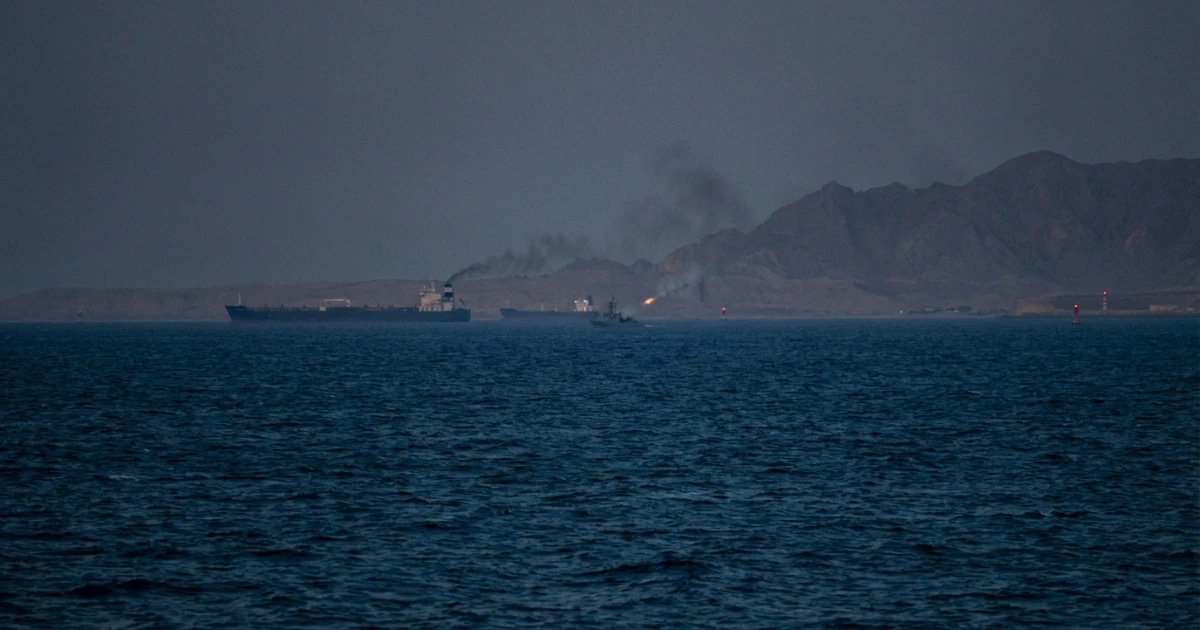
Iran fired on two commercial vessels in the Strait of Hormuz on Tuesday, escalating tensions in one of the world’s most vital maritime corridors just hours after U.S. President Donald Trump announced an extension of the current ceasefire in the region. The incident underscores ongoing risks to global shipping and energy supplies as geopolitical frictions persist in the Persian Gulf.
Incident Details and Immediate Reactions
According to Fox News, Iranian naval forces fired upon two ships transiting the Strait of Hormuz, a narrow waterway through which roughly one-fifth of the world’s traded oil passes. The attack came soon after President Trump extended a ceasefire agreement intended to reduce hostilities between U.S. and Iranian-aligned forces in the region.
There were no immediate reports of casualties or significant vessel damage, but the gunfire caused alarm among shipping operators and regional navies, who have repeatedly warned about the dangers of miscalculation in these crowded waters.
Strategic Importance of the Strait of Hormuz
The Strait of Hormuz is a critical chokepoint for global energy shipments, with tankers carrying millions of barrels of oil and liquefied natural gas daily. Data from the U.S. Energy Information Administration highlights that in recent years, an average of 21 million barrels of oil per day have transited the strait, making it the world’s busiest maritime passage for energy supplies.
- According to UNCTADstat data, ship traffic through the strait has remained high despite previous incidents, with more than 17,000 transits recorded annually.
- The Maritime Executive notes that any disruption in the area has immediate ripple effects on global oil prices and insurance costs for shipping companies.
Pattern of Tension and Maritime Security Concerns
This week’s attack fits into a broader pattern of Iranian actions in the waterway, which have included vessel seizures, sabotage accusations, and previous exchanges of fire. Security analysts have warned that even minor incidents in the Strait of Hormuz can escalate rapidly due to the concentration of military and commercial vessels in the confined passage.
Past analysis from the Center for Strategic and International Studies found that Iranian threats to shipping have been used as leverage in diplomatic disputes and to signal Tehran’s displeasure with Western policies. The latest incident, coming so quickly after a U.S. ceasefire extension, suggests Iran may be testing the resolve and rules of engagement of its adversaries.
International Law and Regional Response
The International Maritime Organization and other bodies have repeatedly called for safe passage through international straits under established treaties. The legal status of the Strait of Hormuz, as analyzed by Lawfare, affirms the right of innocent passage for commercial shipping, though Iran has at times asserted its own claims to control and restrict traffic in response to perceived threats.
Regional allies have increased patrols and vessel escorts, and insurance premiums for ships using the strait have spiked following past confrontations. The international community continues to monitor the situation closely, with calls for restraint on all sides to avoid further escalation.
Looking Ahead
The firing on two vessels in such a strategically sensitive area is a reminder of the fragile security situation in the Persian Gulf. With the ceasefire extension now visibly tested, analysts suggest diplomatic engagement and robust maritime security measures will be essential to maintaining the free flow of commerce through the Strait of Hormuz and preventing wider conflict.